CM Saini Chairs Sirsa Grievance Meet, 22 Complaints Heard
Synopsis
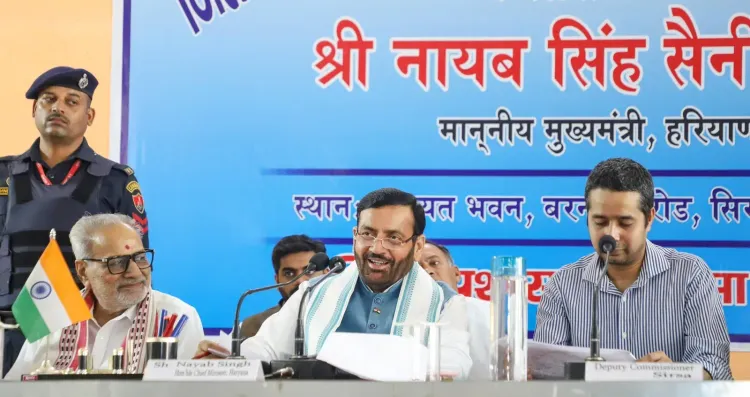
Haryana Chief Minister Nayab Singh Saini chaired the District Public Contact and Grievance Redressal Committee meeting in Sirsa on 19 June 2026, hearing 22 public complaints and directing officials to resolve most on the spot, underlining the government's push for time-bound, office-visit-free redressal.
Key Takeaways
22 public complaints were taken up at the Jila Lok Sampark Evam Kasht Nivaran Samiti meeting held in Sirsa on 19 June 2026 .
Chief Minister Nayab Singh Saini personally presided over the session and directed officials to resolve the majority of cases on the spot.
Remaining complaints were ordered to be disposed of swiftly and transparently by the concerned district authorities.
The government's stated objective is time-bound redressal so citizens do not need to make repeated visits to government offices.
The grievance forum model has been a feature of Haryana's administration since the post-2014 BJP government and continues under CM Saini's tenure.
Sirsa , a western Haryana district with a large rural population, is among the districts prioritised for such direct public-contact sessions.
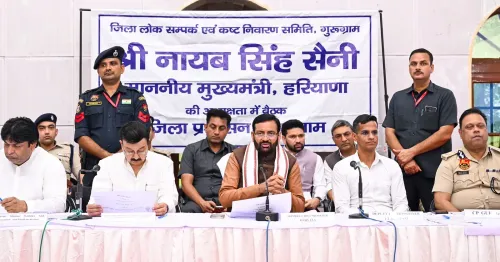
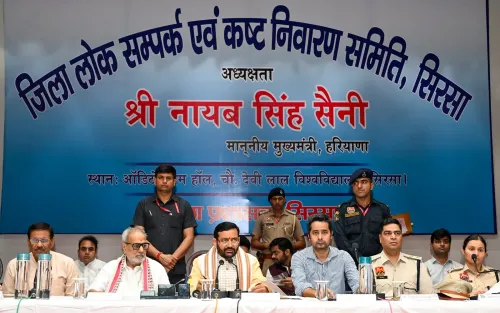
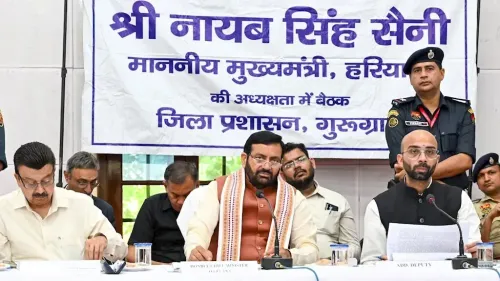
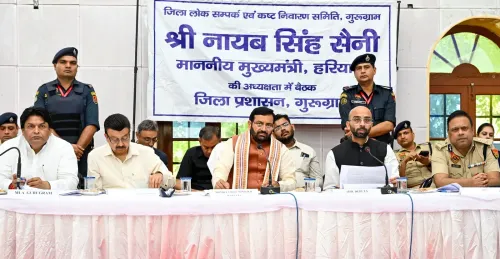
Haryana Chief Minister Nayab Singh Saini on Friday, 19 June 2026, chaired the District Public Contact and Grievance Redressal Committee meeting in Sirsa, where a total of 22 public complaints were taken up for detailed hearing and on-the-spot resolution.
What Happened
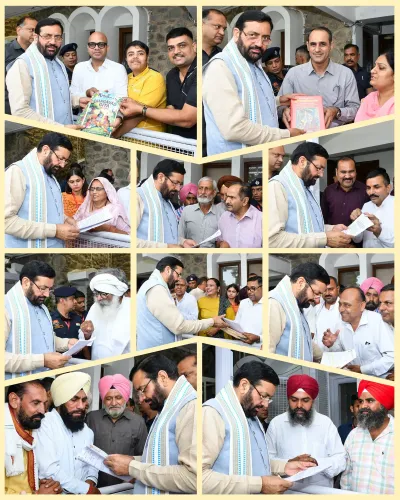
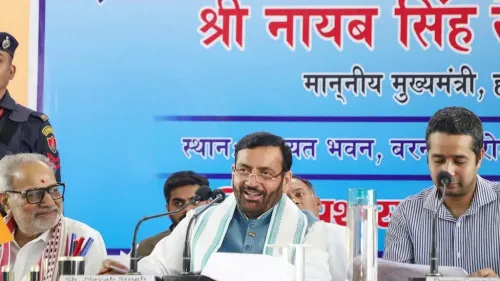
Saini presided over the Jila Lok Sampark Evam Kasht Nivaran Samiti (District Public Contact and Grievance Redressal Committee) session in Sirsa, listening carefully to grievances brought by residents. He directed the concerned district officials to resolve the majority of complaints on the spot, while issuing clear instructions for the swift and transparent disposal of remaining cases.
Posting about the meeting on X, the Chief Minister said: 'Sarkar ka uddeshya hai ki aamjan ki samasyaon ka samayabaddh samadhan ho aur unhe kaaryalayon ke anawashyak chakkar na lagane paden' — meaning, 'The government's objective is that the problems of common people are resolved in a time-bound manner and they do not have to make unnecessary visits to offices.'
Context
The Jila Lok Sampark Evam Kasht Nivaran Samiti is a standing district-level body used by the Haryana administration to bring senior officials and elected representatives face-to-face with ordinary citizens. These meetings are held periodically across Haryana's districts, with the Chief Minister or senior ministers presiding to signal the administration's accountability to the public.
Sirsa, located in western Haryana bordering Rajasthan, has a predominantly agricultural and rural population, making access to government services a persistent concern for residents. Complaints at such forums typically cover land records, utility services, welfare scheme disbursement, and local infrastructure.
Policy Backdrop
The grievance redressal mechanism in Haryana traces its roots to the post-2014 era, when the state BJP government institutionalised Jan Samvad camps and district-level complaint forums as part of an administrative responsiveness drive. The Centralized Public Grievance Redress and Monitoring System (CPGRAMS), strengthened nationally in 2014-15, was adopted by Haryana and other states for time-bound complaint disposal with trackable outcomes.
Chief Minister Nayab Singh Saini, who assumed office in March 2024 following Manohar Lal Khattar's resignation, has continued and expanded this outreach model. Similar district-level grievance forums operate in Rajasthan, Madhya Pradesh, and Uttar Pradesh, reflecting a broader BJP-governed states' emphasis on the 'minimum government, maximum governance' framework.
Stakeholders and Impact
The immediate beneficiaries are the residents of Sirsa whose 22 complaints were heard at Friday's session. For common citizens — particularly those from rural areas — direct access to district-level hearings reduces dependence on intermediaries and cuts the time and cost of repeated office visits.
District administration officials were put on notice to ensure transparent and prompt resolution, with the Chief Minister's presence adding institutional weight to compliance. The emphasis on on-the-spot resolution is designed to reduce pendency and improve measurable grievance-disposal rates across the district.
What's Next
The disposal rate of the 22 complaints heard on 19 June 2026 will be a key metric for assessing the meeting's practical impact. The Haryana government is expected to continue scheduling similar Kasht Nivaran Samiti sessions across other districts in the coming months, with follow-up mechanisms to track whether on-the-spot resolutions translate into durable outcomes for petitioners.
Point of View
The real test lies in disposal rates and follow-up compliance, metrics that such public forums rarely publicise with equal prominence. The Sirsa meeting fits into a broader pattern of CM-level outreach to rural western Haryana, a region that carries significant electoral weight for the ruling party.
NationPress
19 Sept 2026
Frequently Asked Questions
What is the Jila Lok Sampark Evam Kasht Nivaran Samiti in Haryana?
The Jila Lok Sampark Evam Kasht Nivaran Samiti is a district-level public grievance redressal body in Haryana where citizens can directly present complaints to senior officials and elected representatives, with the aim of resolving issues without prolonged bureaucratic delays.
What happened at the Sirsa grievance meeting on 19 June 2026?
Haryana Chief Minister Nayab Singh Saini chaired the meeting in Sirsa on 19 June 2026, where 22 public complaints were heard; officials were directed to resolve most cases on the spot and dispose of the rest swiftly and transparently.
How many complaints were heard at the Sirsa Kasht Nivaran Samiti meeting?
A total of 22 complaints were heard in detail at the Sirsa district grievance redressal meeting presided over by CM Nayab Singh Saini.
What is Nayab Singh Saini's approach to public grievances in Haryana?
CM Nayab Singh Saini has continued the Haryana government's practice of holding periodic district-level grievance forums, directing officials to resolve complaints on the spot to reduce citizens' dependence on repeated office visits.
Which district did CM Saini visit for the grievance meeting in June 2026?
CM Nayab Singh Saini visited Sirsa, a western Haryana district bordering Rajasthan, for the Jila Lok Sampark Evam Kasht Nivaran Samiti meeting on 19 June 2026.