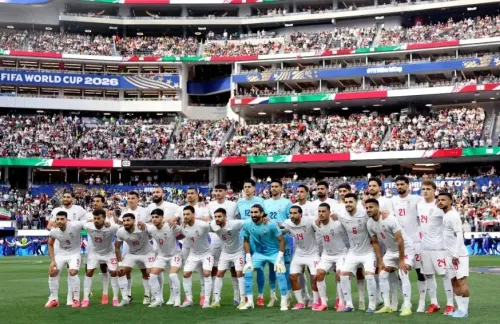
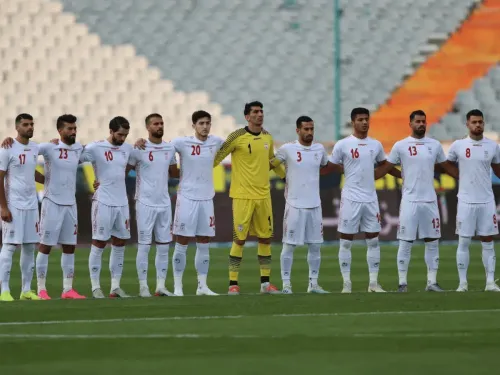
FIFA World Cup: Iran coach blasts U.S. travel curbs after 1-1 draw with Egypt in Seattle
Synopsis
Iran's World Cup campaign has been unlike any other team's — not just on the pitch, but off it. Coach Amir Ghalenoei's post-match outburst after a 1-1 draw with Egypt in Seattle lays bare how geopolitics forced Iran to operate from Tijuana, Mexico, and fly back across the border after every match. His direct appeal to FIFA to prevent hosts from repeating such treatment is a rare, pointed rebuke that could force a governance conversation.
Key Takeaways
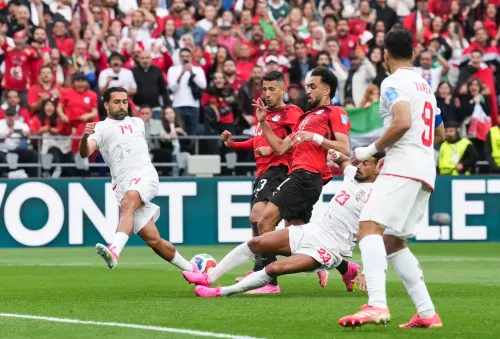
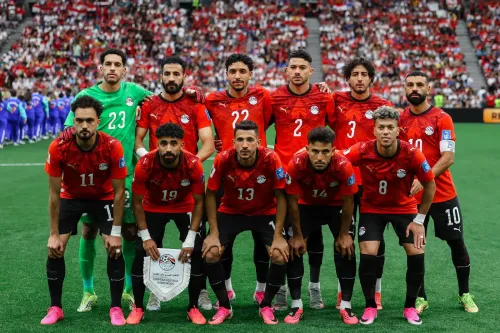
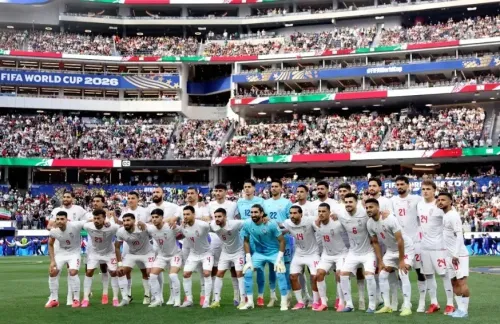
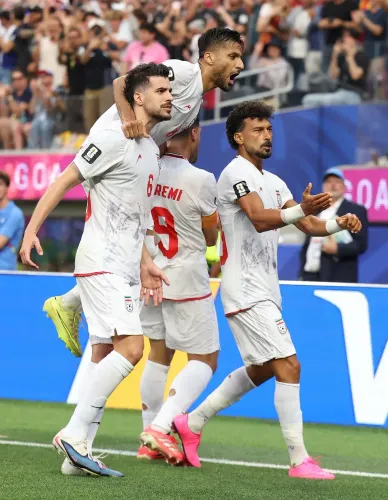
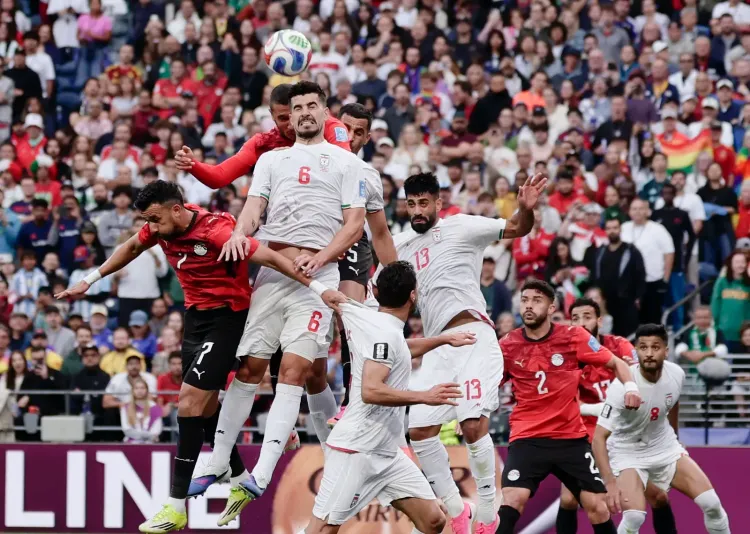
Iran drew 1-1 with Egypt in their final FIFA World Cup group-stage match in Seattle on 27 June .
Coach Amir Ghalenoei publicly accused the United States of treating Iran 'very unfairly' due to travel restrictions.
Iran were based in Tijuana, Mexico and allowed into the Seattle area only two days before kick-off for the Egypt match.
The squad was required to fly back to Tijuana immediately after the match, delaying recovery.
Ghalenoei urged FIFA to ensure host nations cannot impose similar conditions on teams in future World Cups.
Iran's knockout-stage qualification remains uncertain, pending other group results.
Iran head coach Amir Ghalenoei publicly condemned the travel restrictions imposed on his squad by the United States following Iran's 1-1 draw against Egypt in their final FIFA World Cup group-stage match at Seattle on Friday, 27 June. Ghalenoei argued that the logistical constraints left his players physically and mentally disadvantaged heading into one of the tournament's most consequential group deciders.
A Complicated Road to Seattle
Iran were forced to base themselves in Tijuana, Mexico, travelling north into the United States for each of their three group-stage fixtures — a logistical burden no other participating nation faced. U.S. officials partially eased restrictions ahead of the Egypt fixture, permitting the squad to enter the Seattle area just two days before kick-off. The arrangement, however, fell well short of standard World Cup preparation timelines. Iran's participation itself reportedly came close to being revoked amid the ongoing diplomatic standoff between Washington and Tehran.
What Ghalenoei Said
'The host country treated us very unfairly,' Ghalenoei told reporters after the final whistle. 'Had the host nation allowed us to arrive two weeks earlier, to be more prepared ... we would have been in better shape, physically, mentally. However, they deprived us of that justice.'
The coach also reflected on his team's broader misfortune during the group stage: 'I used to think that we were really a totally oppressed team, but after these three games, I have noticed that we also have bad luck as well.' He directed a pointed appeal at football's global governing body: 'I urge FIFA: don't let hosts treat players and teams the same way in future World Cups.'
Post-Match Return to Tijuana
Ghalenoei revealed that the squad was required to fly back to Tijuana immediately after the Seattle match, further compounding recovery challenges as the team awaits confirmation of their knockout-stage fate. 'The team came with a sacred objective, which was to train and play well,' he said, adding that if Iran advance, he intends to give players a recovery day — possibly at the beach — to decompress mentally.
Broader Context and What It Means for FIFA
Iran's situation at the 2026 FIFA World Cup has drawn attention to the intersection of geopolitics and international sport. This is not the first time Washington's diplomatic tensions with Tehran have cast a shadow over Iran's sporting engagements on American soil, but the scale of the World Cup has amplified scrutiny. Notably, FIFA's own regulations require host nations to guarantee equal and unimpeded access for all participating teams — making Ghalenoei's public appeal to the governing body particularly significant. Whether FIFA formally investigates the treatment of the Iranian delegation remains to be seen. The result leaves Iran's round-of-16 prospects dependent on other group outcomes, with the squad in an uncertain holding pattern in Tijuana as calculations play out.
Point of View
Those guarantees were not met. The governing body's silence on the matter so far is telling. More broadly, awarding a World Cup to a nation with active diplomatic hostilities toward a participating member was always a governance risk — and that risk has now materialised publicly, mid-tournament.
NationPress
26 Sept 2026
Frequently Asked Questions
Why was Iran based in Tijuana, Mexico during the 2026 FIFA World Cup?
Iran were required to base themselves in Tijuana, Mexico due to U.S. travel restrictions, crossing into the United States only for their group-stage matches. U.S. officials partially eased restrictions before the Egypt game, allowing the squad into the Seattle area two days before kick-off.
What did Iran coach Amir Ghalenoei say about the host nation's treatment?
Ghalenoei said the host country treated Iran 'very unfairly,' arguing that being denied early entry into the U.S. left his players at a physical and mental disadvantage. He also urged FIFA to prevent host nations from imposing similar conditions on teams in future World Cups.
What was the result of Iran vs Egypt at the 2026 FIFA World Cup?
Iran and Egypt drew 1-1 in their final group-stage match in Seattle on 27 June. The result left Iran's knockout-stage fate dependent on other group outcomes.
Did Iran nearly miss the 2026 FIFA World Cup?
According to reports, Iran came close to being denied participation in the 2026 FIFA World Cup amid the ongoing diplomatic conflict between Washington and Tehran. U.S. officials ultimately permitted Iran to compete, though under significant logistical constraints.
What action could FIFA take over Iran's treatment at the 2026 World Cup?
FIFA has not publicly commented on Ghalenoei's allegations. Its host-nation agreements require equal and unimpeded access for all participating teams. Whether FIFA formally investigates the treatment of the Iranian delegation remains unclear at this stage.