Jwala Gutta: VK Verma tried to end my career, cost me world No. 1
Synopsis
Jwala Gutta's claim that she reached world No. 5 without financial backing — and that institutional sabotage by former BAI chief VK Verma kept her from No. 1 — is a rare, on-record indictment of Indian sports governance from one of its most decorated doubles players. Her account raises uncomfortable questions about who the system is actually built to serve.
Key Takeaways
Jwala Gutta has alleged that former BAI president VK Verma attempted to end her career through repeated, unexplained team exclusions.
Gutta says she was dropped from the Indian team in 2006 and again after the Rio Olympics — both times without official justification.
At the 2010 Commonwealth Games , Gutta and Ashwini Ponnappa won women's doubles gold two hours before Saina Nehwal 's singles title, but Gutta alleges Verma only publicly celebrated Nehwal's win.
Gutta claims she reached world number five without financial backing or sponsorship, and believes she could have been world number one with proper support.
She cited Neeraj Chopra as a model of what personalised investment in an athlete can achieve.
Gutta acknowledged that political influence now shapes who gets heard in Indian sport, calling it 'the easiest way to come clean.'
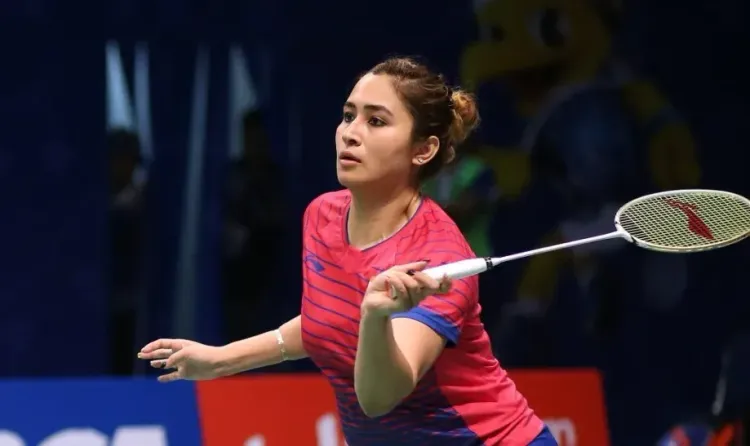
Former Indian badminton doubles star Jwala Gutta has alleged that former Badminton Association of India (BAI) president VK Verma repeatedly attempted to derail her career, claiming institutional bias and unexplained team exclusions cost her a shot at becoming world number one. In a candid interview, Gutta — a 2010 Commonwealth Games gold medallist — spoke about the emotional and professional toll of fighting the sporting establishment while trying to compete at the highest level.
The Core Allegation Against VK Verma
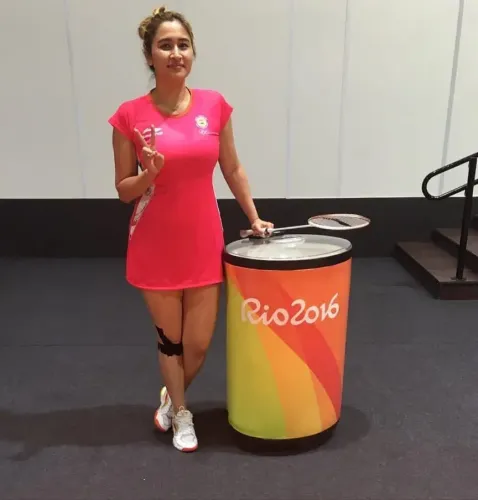
Gutta did not mince words. 'VK Verma tried his best to end my career,' she alleged, recounting a pattern of exclusions she says stretched across more than a decade. According to her, Verma first had her removed from the Indian team in 2006 without any explanation, and then sidelined her again following the Rio Olympics. 'He threw me out of the team in 2006. No reason given. It's all on record. He threw me out again after the Rio Olympics. After that I thought, what's the use of fighting? There's no use,' she said.
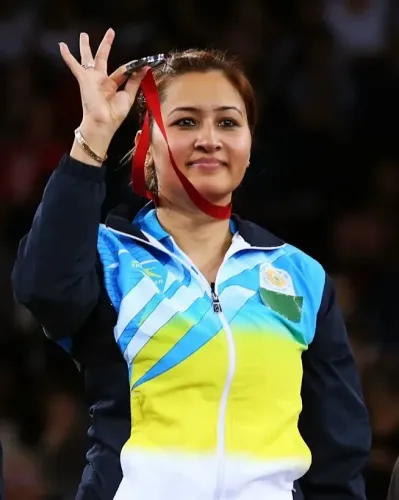
Gutta also alleged that Verma showed visible bias in celebrating athletic achievements. Recalling the 2010 Commonwealth Games in New Delhi, where she and partner Ashwini Ponnappa won the women's doubles gold — technically the first women's gold of the evening, secured two hours before Saina Nehwal's singles triumph — Gutta said the then-BAI president rushed onto the court only for Nehwal's win. 'After two hours, when Saina won, VK Verma ran on the court, celebrating her gold. Why was our gold less? That day I said in the interview, VK Verma is not happy that I won,' she recalled.
Sidelined Despite Ability to Contribute
Even after being dropped, Gutta argued she could have served Indian badminton in a developmental capacity. She contended that her presence in training would have directly benefited younger doubles players. 'I even said that if I am there, juniors will play with me, it will benefit them for sparring. Why are you throwing me out?' she said.
Gutta maintained that no athlete seeks controversy voluntarily, but that she was compelled to speak out to protect her own career. 'Which player wants to be in controversy? I had to fight for my right. If I didn't, I would have been finished long back,' she said, adding that the system itself needs structural reform to make sport a financially viable profession for athletes without wealthy families behind them.
The World No. 5 Without Backing
Gutta pointed to her own trajectory as evidence of what institutional neglect costs Indian sport. She claimed she reached a career-high ranking of world number five largely without financial backing or sponsorship support. 'Without support and without financial backing, I reached world number five. Had I received support and sponsors, and had I been kept away from controversy, then I would have been world number one,' she asserted.
She drew a pointed contrast with Olympic champion Neeraj Chopra, citing the personalised investment and sustained attention he received as a model for how India should nurture elite athletes. 'How much money has been spent on Neeraj Chopra? We should talk about that first. To become a world champion, how much personal attention should an athlete receive? Neeraj Chopra is a perfect example,' she said.
Politics, Power, and the Sporting System
Despite her grievances, Gutta said she remains committed to contributing to grassroots development in Indian sport. However, she acknowledged that in the current ecosystem, political connections frequently determine whose voice carries weight. 'That's why it's important to be a politician. Politics is the easiest way now to come clean. No one will call you rebellious then,' she remarked — a pointed observation about how sporting bureaucracies in India often reward compliance over merit.
The allegations come at a time of broader scrutiny of sports governance in India, and Gutta's account adds to a growing body of testimony from former athletes about the personal costs of challenging powerful administrators. Whether the BAI or Verma respond to these claims remains to be seen.
Point of View
Documented exclusions, and a direct comparison between her unsupported rise to world No. 5 and the state-backed trajectory of Neeraj Chopra expose a structural inequity that Indian sports governance has never seriously addressed. The BAI has modernised on paper, but Gutta's testimony suggests the culture of administrative patronage ran deep. What is striking is her observation that entering politics is now the surest way to be taken seriously — a damning verdict on accountability in Indian sport.
NationPress
27 Sept 2026
Frequently Asked Questions
What are Jwala Gutta's allegations against VK Verma?
Jwala Gutta has alleged that former BAI president VK Verma got her removed from the Indian team twice — in 2006 and after the Rio Olympics — without any explanation, and that he showed visible bias by celebrating Saina Nehwal's gold at the 2010 Commonwealth Games while ignoring the doubles gold Gutta and Ashwini Ponnappa had won two hours earlier. Gutta claims these actions were deliberate attempts to sideline her career.
What did Jwala Gutta and Ashwini Ponnappa win at the 2010 Commonwealth Games?
Jwala Gutta and Ashwini Ponnappa won the women's doubles gold medal at the 2010 Commonwealth Games in New Delhi. Gutta has pointed out that their victory came two hours before Saina Nehwal's singles gold, technically making them the first women to win gold at those Games.
How high did Jwala Gutta's world ranking reach?
Jwala Gutta reached a career-high ranking of world number five in doubles badminton. She has alleged this was achieved without financial backing or sponsorship support, and that with proper institutional support she could have reached world number one.
Why does Jwala Gutta cite Neeraj Chopra in her interview?
Gutta invoked Olympic champion Neeraj Chopra as an example of what sustained, personalised investment in an athlete can produce. She contrasted the resources directed toward Chopra's development with the lack of support she says she received throughout her career, arguing that India must extend similar attention to players across disciplines.
Is Jwala Gutta still involved in Indian badminton?
Despite her grievances, Gutta has said she remains willing to contribute to grassroots development in Indian sport. However, she has acknowledged that political influence now plays a significant role in determining who gets a platform within the sporting establishment.