CM Rekha Gupta Pays Tribute to Birsa Munda on Death Anniversary
Synopsis
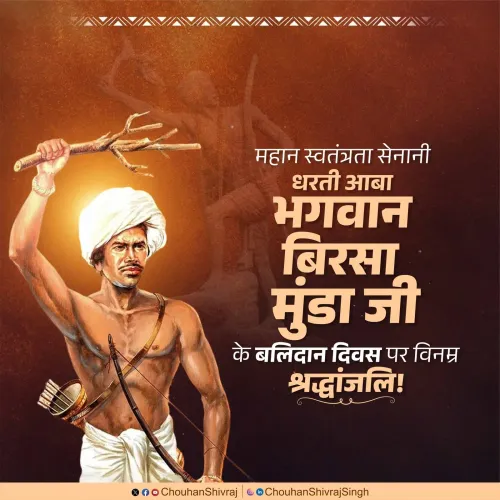
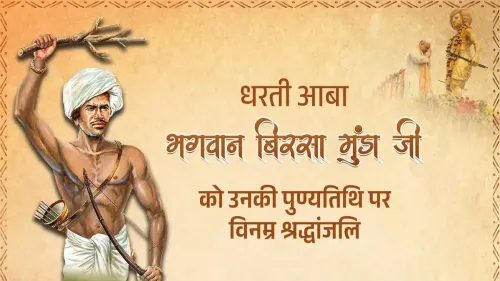
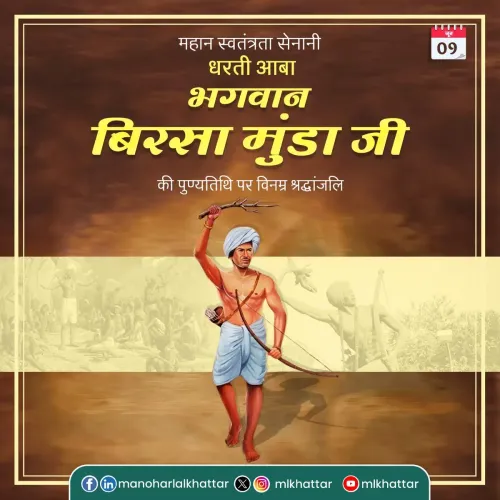
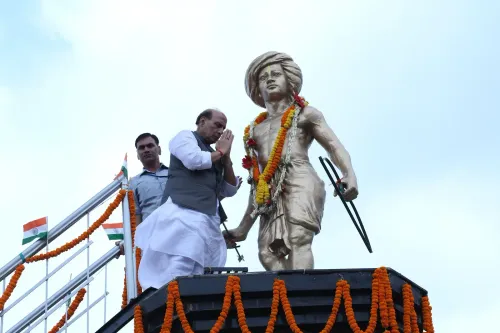
Delhi Chief Minister Rekha Gupta paid tribute to Bhagwan Birsa Munda on his death anniversary on 9 June 2026, honouring the tribal leader's Ulgulan uprising against British rule and his legacy of protecting tribal identity and land rights.
Key Takeaways
Delhi CM Rekha Gupta paid tribute to Bhagwan Birsa Munda on his death anniversary, 9 June 2026 .
Birsa Munda, known as Dharti Aaba , led the Ulgulan uprising of 1899–1900 for tribal land and forest rights against British rule.
He died in colonial custody at Ranchi Jail on 9 June 1900 , aged 25 .
The Forest Rights Act, 2006 statutorily recognised tribal rights over jal, jungle and zameen — the core demand of the Ulgulan.
The Government of India has observed 15 November as Janjatiya Gaurav Divas since 2021 to mark Birsa Munda's birth anniversary.
Political leaders across parties issue tributes on 9 June , reflecting broad recognition of Adivasi contributions to India's freedom struggle.
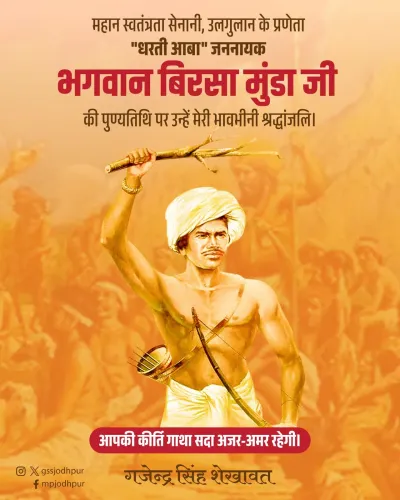
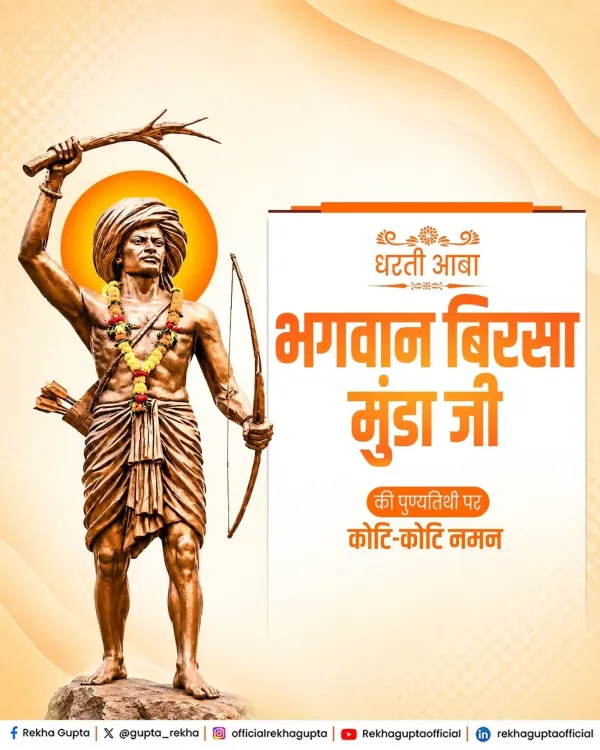
Delhi Chief Minister Rekha Gupta on Tuesday, 9 June 2026 paid tribute to tribal freedom fighter Bhagwan Birsa Munda on his death anniversary, honouring his leadership of the historic Ulgulan uprising against British colonial rule.
In her post, Chief Minister Gupta referred to Birsa Munda by his reverential title 'Dharti Aaba' (Father of the Earth) and wrote: 'The historic Ulgulan, led by him against British rule for the protection of tribal identity and jal, jungle and zameen, is an immortal chapter of the Indian independence struggle. The grateful nation will always remember his indomitable courage, struggle and supreme sacrifice.'
Context
Birsa Munda was born in 1875 in the Chotanagpur plateau region and emerged as a spiritual and political leader of the Munda tribal community. He died on 9 June 1900 in colonial custody at Ranchi Jail, aged just 25, making his death anniversary a day of solemn remembrance across India. His title 'Dharti Aaba' reflects the reverence his community held for him as a protector of their land and way of life.
The Ulgulan, meaning 'Great Tumult' or 'Great Tumult of the Earth', was an armed uprising of 1899–1900 that mobilised tribal communities to resist colonial land-grab policies, forced labour, and missionary encroachments. It stands as one of the most significant tribal resistance movements woven into the broader fabric of India's independence struggle.
Policy Backdrop
The core demands of the Ulgulan — community rights over jal, jungle aur zameen (water, forest and land) — found statutory expression more than a century later in the Forest Rights Act, 2006, which recognised individual and community land rights of Scheduled Tribes across India. The Act is widely cited as a legislative acknowledgement of the historical injustices that Birsa Munda's movement sought to address.
Since 2021, the Government of India has observed 15 November — Birsa Munda's birth anniversary — as Janjatiya Gaurav Divas (Tribal Pride Day), institutionalising recognition of tribal contributions to the freedom struggle at the national level. The commemoration has been accompanied by welfare initiatives targeting Scheduled Tribe districts under the tribal sub-plan architecture.
Stakeholders and Impact
Tributes to Birsa Munda on 9 June carry significance for India's estimated 10 crore-plus Adivasi population, for whom he remains a symbol of resistance, cultural identity, and land rights. Political leaders across party lines issue public commemorations on this date, reflecting a broad consensus on integrating Adivasi histories into the national mainstream narrative.
For the BJP, of which Chief Minister Gupta is a senior leader, engagement with tribal icons such as Birsa Munda has been a consistent feature of outreach to Scheduled Tribe constituencies, particularly in states like Jharkhand, Odisha, Chhattisgarh, and Madhya Pradesh, where tribal voters form a decisive electoral bloc.
What's Next
Attention will turn to 15 November 2026 and the observance of Janjatiya Gaurav Divas, when the central and state governments are expected to announce or review welfare programmes targeting tribal communities. Parliamentary and state-level discussions on tribal sub-plan budget allocations will be a key indicator of how commemorative rhetoric translates into policy action.
As India continues to debate land rights, forest governance, and Adivasi welfare, Birsa Munda's legacy remains a reference point that bridges historical memory with contemporary policy demands.
Point of View
But it also signals the BJP's sustained effort to cement its credentials among tribal constituencies ahead of state elections in Adivasi-heavy states. By invoking the Ulgulan's demand for jal, jungle and zameen — language that resonates directly with ongoing debates over forest rights and displacement — the tribute connects historical memory to live policy contests. The institutionalisation of Janjatiya Gaurav Divas since 2021 has given the ruling party a structural platform to frame tribal welfare as a national priority. Whether such commemorations translate into measurable policy gains for Scheduled Tribe communities remains the central question that tribal rights advocates continue to press.
NationPress
19 Sept 2026
Frequently Asked Questions
Who was Birsa Munda and why is he remembered?
Birsa Munda (1875–1900) was a Munda tribal leader from the Chotanagpur plateau who led the Ulgulan uprising against British colonial rule to protect tribal land, forest and water rights. He is revered as 'Dharti Aaba' (Father of the Earth) and is recognised as a key figure in India's independence struggle.
What is the Ulgulan movement?
The Ulgulan, meaning 'Great Tumult', was an armed tribal uprising of 1899–1900 led by Birsa Munda in the Chotanagpur region. It mobilised Munda tribal communities to resist British colonial land policies, forced labour, and encroachments on their forests and way of life.
When did Birsa Munda die and how?
Birsa Munda died on 9 June 1900 in British colonial custody at Ranchi Jail, aged 25. His death in custody is widely regarded as a result of the harsh conditions of his imprisonment following the suppression of the Ulgulan.
What is Janjatiya Gaurav Divas and when is it observed?
Janjatiya Gaurav Divas (Tribal Pride Day) is observed on 15 November each year — Birsa Munda's birth anniversary. The Government of India instituted it in 2021 to recognise tribal contributions to the freedom struggle and highlight welfare initiatives for Scheduled Tribe communities.
What did the Forest Rights Act 2006 do for tribal communities?
The Forest Rights Act 2006 legally recognised the rights of Scheduled Tribes and other forest-dwelling communities over land and forest resources they had traditionally used. It is seen as a legislative echo of the core demands — jal, jungle and zameen — for which Birsa Munda's Ulgulan fought.