Kainat, Jabeen earn maiden Pakistan T20I call-ups for Zimbabwe series
Synopsis
Pakistan's selectors backed youth and domestic performance, handing maiden T20I call-ups to fast bowler Amber Kainat and all-rounder Saira Jabeen for the Zimbabwe series. The move signals confidence in emerging talent and sets the tone for World Cup squad building, with both players having impressed in domestic tournaments and touring setups respectively.
Key Takeaways
Amber Kainat and Saira Jabeen earned maiden Pakistan women's T20I call-ups on Saturday.
The 15-member squad will face Zimbabwe in a three-match T20I series from 12 to 15 May at Lahore .
Kainat took 11 wickets in eight matches for Invincibles in the National Women's T20 Tournament .
Fatima Sana will captain the side, which includes regulars Muneeba Ali , Aliya Riaz , and Nashra Sundhu .
The series is preparation for the 2026 Women's T20 World Cup in England , where Pakistan face Australia , India , Bangladesh , South Africa , and the Netherlands in the group stage.
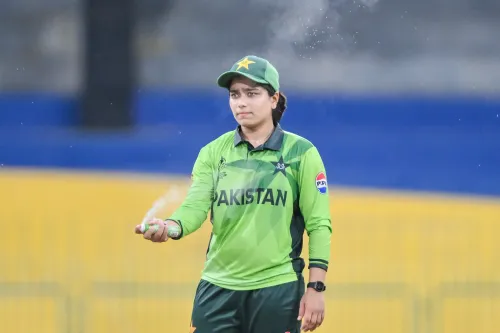
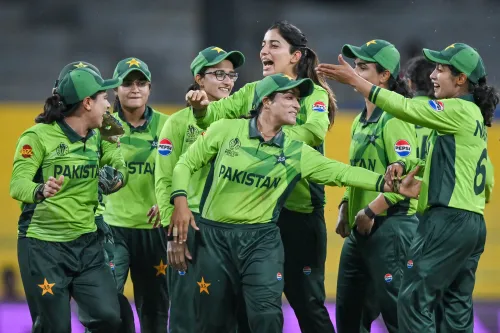
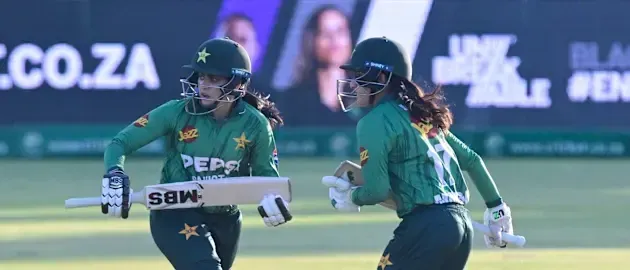
Pakistan on Saturday announced a 15-member women's T20I squad for a three-match series against Zimbabwe, starting 12 May at the National Bank Stadium in Lahore. Uncapped fast bowler Amber Kainat and all-rounder Saira Jabeen earned maiden call-ups, marking a significant selection boost for two emerging talents ahead of the 2026 Women's T20 World Cup.
New faces in the squad
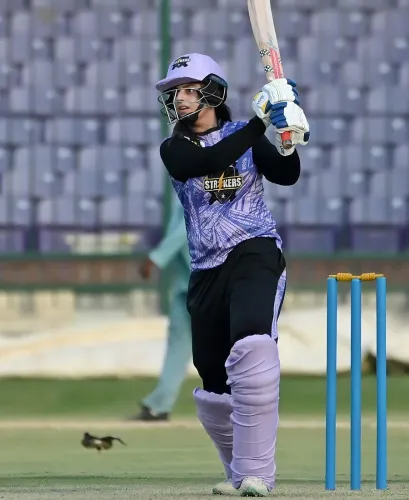
Amber Kainat, a right-arm fast bowler, impressed with 11 wickets in eight matches for Invincibles during the National Women's T20 Tournament. Saira Jabeen was part of Pakistan's touring party to South Africa earlier this year, bringing international exposure to the squad despite her uncapped status at T20I level.
Squad composition and experience
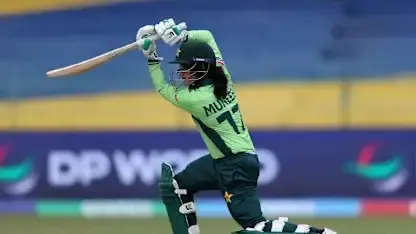
The squad balances youth with established performers. Fatima Sana, the pace-bowling all-rounder, will captain the side. Regulars including Aliya Riaz, Muneeba Ali (wicket-keeper), Nashra Sundhu, and Tuba Hassan form the core, while Gull Feroza, Iram Javed, and Natalia Parvaiz bolster batting depth. Spinners Sadia Iqbal and Rameen Shamim anchor the bowling unit.
Series schedule and momentum
All three T20Is are scheduled for 7:30 pm local time starts, running from 12 to 15 May. Pakistan enters the series on the back of a strong ODI campaign, having already clinched the three-match ODI series 2-0 against Zimbabwe with the final game underway.
World Cup preparation
The Zimbabwe series serves as crucial preparation for the 2026 Women's T20 World Cup, set to begin 12 June in England. Pakistan are grouped in Group 1 alongside Australia (six-time champions), Bangladesh, India (current ODI World Cup holders), South Africa, and the Netherlands. Selectors will use this series to fine-tune combinations and test emerging talent against competitive opposition.
Reserve contingent
The reserves list features seasoned campaigner Diana Baig alongside Momina Riasat, Sadaf Shamas, Sidra Amin, and Syeda Aroob Shah, providing depth and flexibility for future selections.
Point of View
While Jabeen's South Africa tour exposure bridges the gap between domestic form and international readiness. The timing — five months before the World Cup — suggests selectors are testing combinations now rather than rushing to World Cup squads. Whether this investment in youth pays off will hinge on how both performers handle the step up against Zimbabwe's seasoned bowling unit.
NationPress
26 Sept 2026
Frequently Asked Questions
Who are Amber Kainat and Saira Jabeen?
Amber Kainat is a right-arm fast bowler who impressed with 11 wickets in eight matches for Invincibles in the National Women's T20 Tournament. Saira Jabeen is an all-rounder who was part of Pakistan's touring party to South Africa earlier this year. Both have earned maiden T20I call-ups for the Zimbabwe series.
When does the Pakistan vs Zimbabwe T20I series start?
The three-match T20I series begins on 12 May and runs until 15 May, with all matches scheduled for 7:30 pm local time at the National Bank Stadium in Lahore.
Who will captain Pakistan in the Zimbabwe series?
Pace-bowling all-rounder Fatima Sana will lead Pakistan in the three-match T20I series against Zimbabwe.
How does this series relate to the 2026 Women's T20 World Cup?
The Zimbabwe series serves as crucial preparation ahead of the 2026 Women's T20 World Cup, set to begin on 12 June in England. Pakistan are in Group 1 alongside Australia, Bangladesh, India, South Africa, and the Netherlands. Selectors are using this series to fine-tune combinations and test emerging talent.
What was Pakistan's performance in the ODI series against Zimbabwe?
Pakistan had already clinched the three-match ODI series 2-0 against Zimbabwe, with the final ODI still underway at the time of squad announcement.