KFA apologises over sexual entertainment allegations involving foreign referees in 2011-12
Synopsis
The Korea Football Association's apology over alleged sexual entertainment for foreign referees in 2011-12 is only the latest blow in a full-blown governance crisis — one that includes a police raid, a parliamentary hearing, a coach controversy, and the resignation of its president, all triggered by a humiliating 2026 World Cup group-stage exit.
Key Takeaways
The Korea Football Association (KFA) apologised on 8 August over allegations it arranged sexual entertainment for foreign referees during matches in 2011 and 2012 .
Police raided the KFA headquarters over alleged irregularities in the 2024 appointment of head coach Hong Myung-bo .
Former KFA president Chung Mong-gyu resigned following a parliamentary hearing and mounting public pressure.
South Korea exited the 2026 FIFA World Cup in the group stage, finishing third in Group A with three points .
The KFA pledged sweeping reforms on transparency and ethics but has yet to detail a specific roadmap.
The Korea Football Association (KFA) on Saturday, 8 August issued a public apology over allegations that it arranged sexual entertainment for foreign referees and match officials before and after international matches played in South Korea in 2011 and 2012. The admission comes as the association grapples with a cascade of governance crises following South Korea's early group-stage exit from the 2026 FIFA World Cup.
What the Allegations Involve
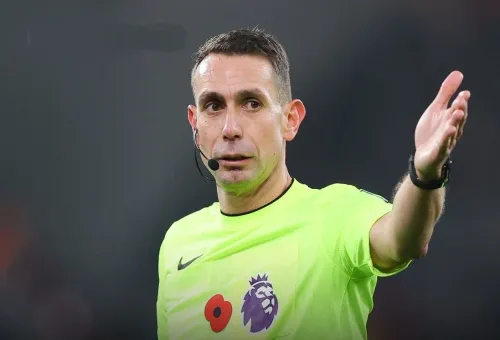
Local media reported that the KFA organised sexual entertainment for foreign referees and match officials during several World Cup and Olympic qualifiers, as well as friendly matches, in 2011 and 2012. The association said it was 'deeply sorry' for the disappointment and concern caused by a parliamentary hearing, a police raid on its headquarters, and media reports concerning alleged irregularities dating back more than a decade.
The KFA stated that no such improper practices or misuse of corporate cards currently exist, and pledged sweeping reforms to improve transparency, ethical standards, and public trust.
Police Raid and Parliamentary Scrutiny
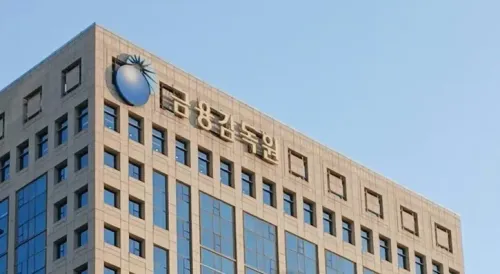
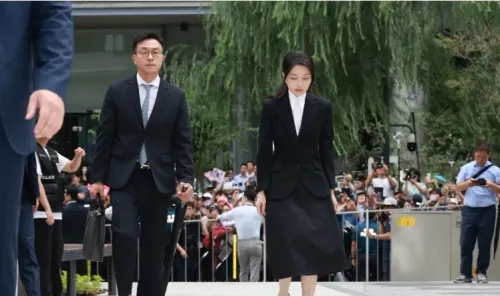
The association's troubles extend well beyond the decade-old allegations. Police raided the KFA headquarters earlier this week as part of a separate investigation into alleged irregularities surrounding the 2024 appointment of former national team head coach Hong Myung-bo.
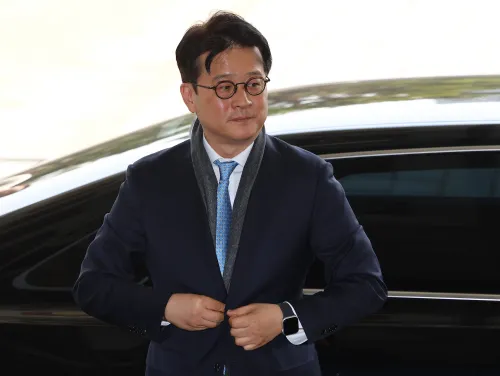
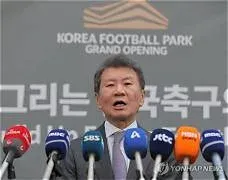
A parliamentary hearing was also convened last month, summoning former KFA president Chung Mong-gyu and Hong to answer questions about the national team's management and the association's internal operations. Chung Mong-gyu subsequently resigned as KFA president, acknowledging both the successes and failures of his tenure as the fallout from South Korea's World Cup campaign continued to mount.
World Cup Fallout
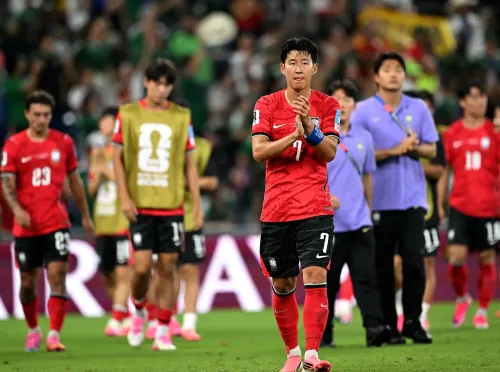
South Korea failed to advance beyond the group stage of the 2026 FIFA World Cup, finishing third in Group A with three points. The team defeated the Czech Republic but fell to Mexico and South Africa, ending their campaign prematurely. Head coach Hong Myung-bo stepped down in the aftermath of the exit, followed shortly by Chung's resignation.
Historical Context
The controversies stand in stark contrast to South Korea's proudest footballing moment — a fourth-place finish at the 2002 FIFA World Cup, co-hosted with Japan. The team reached the semifinals before losing to Germany, who went on to lose to Brazil in the final. That run remains the high-water mark for one of Asia's top football nations, making the current institutional turmoil all the more striking.
What Comes Next
The KFA has committed to structural reforms, though specifics of the reform roadmap have not yet been disclosed. With a police investigation ongoing, a leadership vacuum at the top, and public trust severely dented, the association faces the dual challenge of addressing past misconduct while rebuilding credibility ahead of future international competitions.
Point of View
A parliamentary summons, a coaching appointment controversy, and decade-old sexual entertainment allegations suggests institutional rot, not isolated incidents. South Korean football's credibility problem will not be solved by a statement of regret — it requires independent oversight, transparent appointment processes, and accountability structures that do not depend on a bad tournament result to activate.
NationPress
22 Sept 2026
Frequently Asked Questions
What did the Korea Football Association apologise for?
The KFA apologised for allegations that it arranged sexual entertainment for foreign referees and match officials during World Cup qualifiers, Olympic qualifiers, and friendly matches held in South Korea in 2011 and 2012. The association said it was 'deeply sorry' for the concern caused by media reports, a police raid, and a parliamentary hearing related to these and other alleged irregularities.
Why was the KFA headquarters raided by police?
Police raided the KFA headquarters as part of an investigation into alleged irregularities in the 2024 appointment process of former national team head coach Hong Myung-bo. The raid is separate from the older sexual entertainment allegations but is part of the broader governance scrutiny the association is currently facing.
Why did KFA president Chung Mong-gyu resign?
Chung Mong-gyu resigned as KFA president amid mounting pressure following South Korea's early exit from the 2026 FIFA World Cup and the subsequent wave of controversies, including a parliamentary hearing and police investigation. He acknowledged both the successes and failures of his tenure upon stepping down.
How did South Korea perform at the 2026 FIFA World Cup?
South Korea failed to advance past the group stage, finishing third in Group A with three points. They defeated the Czech Republic but lost to Mexico and South Africa, ending their tournament campaign before the knockout rounds.
What reforms has the KFA promised?
The KFA has pledged sweeping reforms aimed at improving transparency, ethical standards, and public trust. It also stated that no improper practices or misuse of corporate cards currently take place, though a detailed reform roadmap has not yet been made public.