Kim Jong-un slams military corruption at rare party-army summit in Pyongyang
Synopsis
Kim Jong-un convened a rare three-way summit of North Korea's party, government, and military to publicly condemn corruption — and made it personal by naming and sentencing a senior army political officer. The move signals either a genuine anti-graft drive or a calculated purge to tighten Kim's grip on the armed forces, with implications for elite stability in Pyongyang.
Key Takeaways
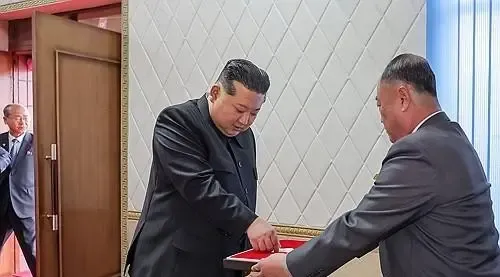
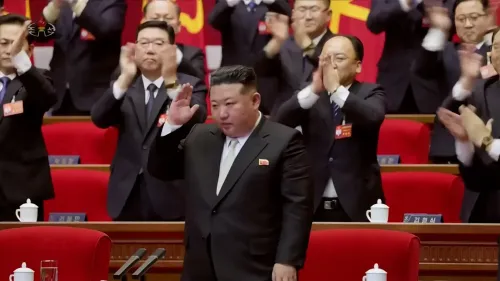
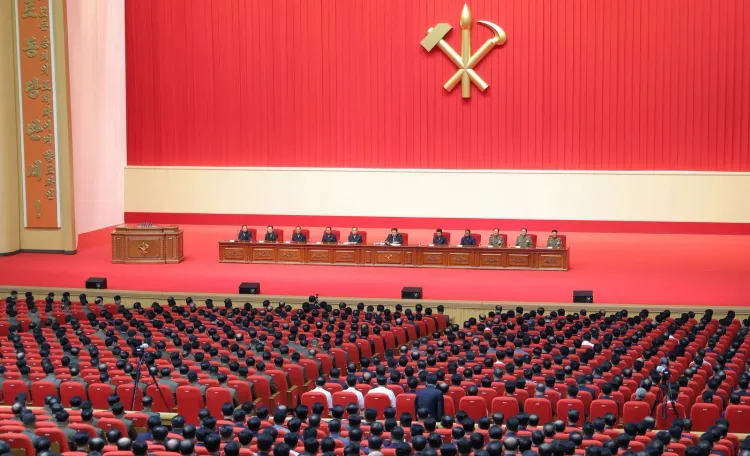
Kim Jong-un attended a rare joint meeting of the party, government, and military in Pyongyang on 11 July .
The session was convened to warn against 'anti-revolutionary, anti-socialist, anti-people acts,' according to KCNA .
Pak Hui-chol , former vice-director of organisational affairs at the General Political Bureau of the People's Army , was tried by the Supreme Court and punished for bribery and abuse of authority over four years.
Kim declared an 'all-out war' against abuse of power, bureaucratism, and corruption within the party and military ranks.
Public naming and sentencing of a senior military political officer is considered rare even by North Korean standards.
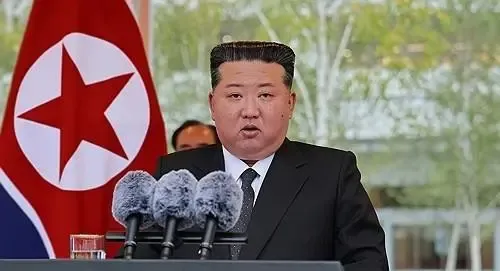
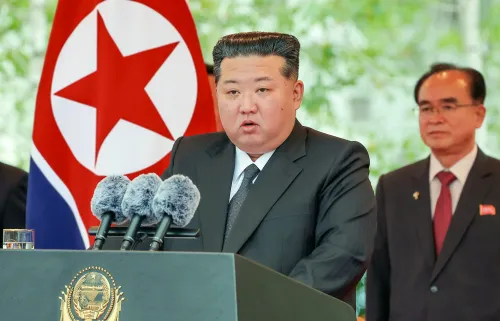
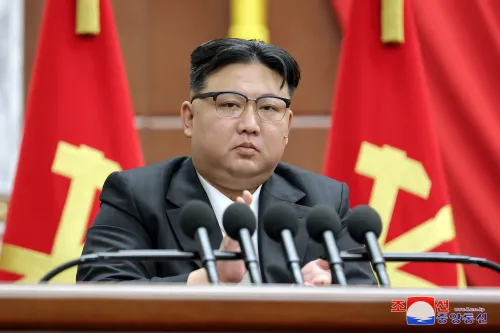
North Korean leader Kim Jong-un publicly denounced corruption within the country's military at a rare joint meeting of the ruling party, government, and army held in Pyongyang on Friday, 11 July, according to the state-run Korean Central News Agency (KCNA). The extraordinary session was convened specifically to issue warnings against what KCNA described as 'anti-revolutionary, anti-socialist, anti-people acts going against the trend of the times.'
The Pak Hui-chol Case
At the centre of the meeting was the case of Pak Hui-chol, former vice-director in charge of organisational affairs of the General Political Bureau of the People's Army. According to KCNA, Pak was tried and punished by the Supreme Court for a range of corruption offences committed over a four-year period while he held a senior position in the military's political organ.
KCNA quoted the charge in stark terms: Pak had 'created special illusions about himself while being engrossed in all sorts of abuses of authority and arbitrariness, and received a large amount of bribes from dishonest elements obsessed with greed and thirst for a high post and embezzled them.' The agency described his offences as 'extra-large crimes that go beyond imagination in view of their dangerousness and harmfulness.'
Kim's Warning to Officials
Addressing the gathering, Kim underscored the severity of Pak's conduct at a moment when the ruling Korean Workers' Party has declared what it calls 'an all-out war against the abuse of power, bureaucratism, and irregularities and corruption.' He stressed that all officials 'should keep principle and uprightness as their lifeblood and should be mindful of the Party's trust and think of the people first,' according to KCNA.
Kim further outlined the party's intent to 'steadily enhance the intensity of the organisational and ideological offensive for transforming the ranks of cadres into an elite and the legal struggle for rooting out the irregularities and corruption,' the agency reported.
Why This Meeting Is Significant
Joint sessions bringing together the party, state apparatus, and military leadership are uncommon in North Korea, making Friday's gathering a notable signal. Analysts have long noted that Pyongyang's opaque power structure makes it difficult to verify the full scope of internal disciplinary actions. This comes amid a broader pattern of Kim periodically purging or publicly censuring senior figures — a tactic observers say serves both to consolidate personal authority and to manage elite loyalty.
Notably, the public naming and sentencing of a senior military political officer is rare even by North Korean standards, suggesting the regime sought to make an example of Pak's case at the highest institutional level.
What Comes Next
The meeting's outcome and any further personnel changes within the General Political Bureau will be closely watched by regional intelligence agencies and governments, particularly in South Korea, Japan, and the United States. Whether the anti-corruption drive signals deeper structural instability within the Korean People's Army or is a calibrated display of Kim's command authority remains a subject of analysis among North Korea watchers.
Point of View
And its audience is as much internal as external. The General Political Bureau exists precisely to enforce party loyalty within the armed forces; corruption there strikes at the ideological core of Kim's control architecture. Whether this reflects genuine rot within the military establishment or is a choreographed purge to install loyalists ahead of a strategic moment is the question analysts should be pressing. North Korea watchers have seen this pattern before: high-profile disciplinary theatre that consolidates power while projecting the image of a self-correcting system. The rarity of the joint session itself — party, government, and army in one room — suggests Kim wanted maximum institutional witness to the warning.
NationPress
10 Oct 2026
Frequently Asked Questions
What happened at the North Korea party-army joint meeting on 11 July?
North Korean leader Kim Jong-un attended a rare joint meeting of the ruling party, government, and military in Pyongyang on 11 July to address corruption within the armed forces. The session resulted in the public denunciation and sentencing of a senior military political officer, Pak Hui-chol, for bribery and abuse of authority.
Who is Pak Hui-chol and what was he accused of?
Pak Hui-chol was the former vice-director in charge of organisational affairs at the General Political Bureau of the People's Army. According to KCNA, he abused his authority, received large bribes from individuals seeking high posts, and embezzled funds over a four-year period, for which he was punished by the Supreme Court.
Why is this meeting considered rare?
Joint sessions that bring together North Korea's ruling party, state government, and military leadership simultaneously are uncommon, making this gathering a significant institutional event. The public naming and judicial sentencing of a senior military political officer is also considered unusual even by North Korean standards.
What did Kim Jong-un say at the meeting?
Kim stressed that officials must 'keep principle and uprightness as their lifeblood' and 'think of the people first,' according to KCNA. He also outlined plans to intensify ideological and legal offensives to root out corruption and transform the cadre ranks.
What does this anti-corruption drive mean for North Korea's military?
The move is being closely watched as a potential indicator of internal power dynamics within the Korean People's Army. Analysts are assessing whether it reflects genuine structural instability or a deliberate consolidation of Kim's authority over the military's political apparatus.