VVS Laxman: Two RTP matches, strict benchmarks key to CoE injury clearance
Synopsis
India's injury list at the BCCI CoE has crossed double digits — and VVS Laxman's response is a benchmark-first clearance model that refuses to release a player until data says he's ready. The most counterintuitive insight: fast bowlers get injured not from bowling too much, but from bowling too little.
Key Takeaways
VVS Laxman confirmed that injured players must complete two Return To Play (RTP) matches and meet individualised fitness benchmarks before being cleared.
The BCCI CoE in Bengaluru works with a global network of specialists across Mumbai , England , Munich , and South Africa .
The Athlete Management System (AMS) and GPS wearables are used to monitor fast-bowler delivery loads on a weekly basis.
Laxman stated that stress injuries in fast bowlers are more often caused by under-bowling than over-bowling.
Laxman dismissed reports of contracted players consulting private trainers outside official channels, calling them 'news to me.' The Duleep Trophy is set to begin at the CoE on 23 August ; BCCI is exploring whether the final can be moved to an external stadium for fans.
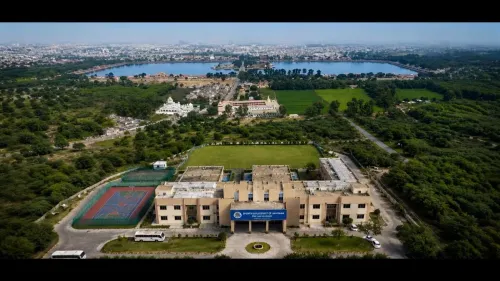
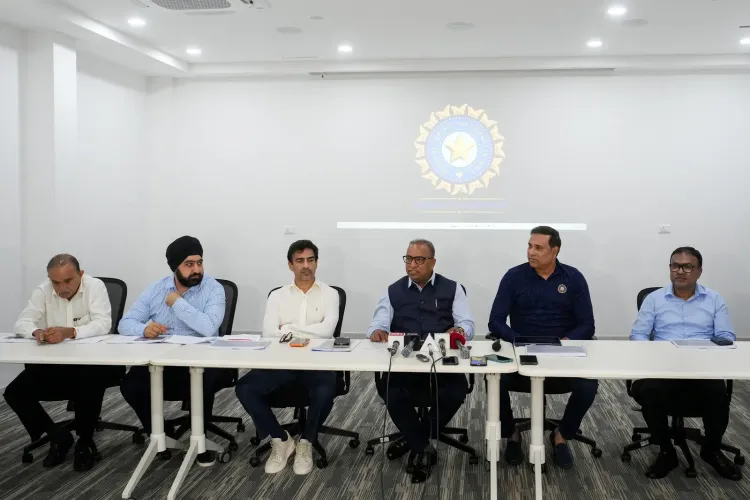
VVS Laxman, head of the BCCI Centre of Excellence (CoE) in Bengaluru, on Sunday, 9 August outlined a rigorous, data-driven recovery framework that requires injured players to meet individualised fitness benchmarks and complete two Return To Play (RTP) matches before they are cleared to rejoin national or domestic squads. His remarks came as the number of injured senior men's team players undergoing rehabilitation at the CoE crossed double digits.
How the Diagnosis-to-Clearance Pipeline Works
Laxman described a multi-stage process that begins the moment a player sustains an injury. 'The process starts with diagnosing the injury and finishes with a player declared fit after the two RTP matches we have,' he told reporters at the CoE facility. The BCCI works with a network of world-renowned specialists: Dr Rowan Schouten handles stress fractures of the back; Dr Dinshaw Pardiwala in Mumbai is the go-to for shoulder and knee injuries; Dr Kini specialises in foot and ankle; and Dr Sudhir Warrier covers hand and wrist cases. Additional surgical expertise is drawn from a doctor in England for ankle surgeries, one in Munich for sports hernia, and a consultant in South Africa. Scan readings are handled by interventional radiologists Dr Muthukumar, Dr Shrikant, and Dr Kini.
From Physio Table to Match Fitness
Once a player arrives at the CoE, the recovery arc moves through clinical assessment, physiotherapy, strength and conditioning, and finally skill-based load building. 'Slowly they go to the skill part, and then we build up the load, and then we play two RTP matches before we declare the player fit,' Laxman explained. Crucially, clearance is not time-based but performance-based: 'Until and unless that benchmark is not met, or in fact got better, we don't release.' The benchmark for each player — covering both skill and fitness parameters — is drawn from historical data held in the CoE's systems, ensuring the returning cricketer is capable of performing 'from the first match' back.
Technology and the Fast-Bowler Workload Puzzle
Laxman placed particular emphasis on the Athlete Management System (AMS) and GPS wearables in managing fast-bowler workloads. He challenged a widely held assumption about pace-bowling injuries: 'Our learning is, the stress injuries or the injuries happen not because a fast bowler is bowling too much. It happens that a fast bowler is not bowling enough.' The CoE sets a weekly delivery target — a 'sweet spot' — for every fast bowler across the contracted, targeted, and under-19 pools, and GPS data confirms whether each bowler has met that quota. Remote monitoring, Laxman acknowledged, remains 'very, very critical and it's tough' but is an area the CoE continues to develop.
Laxman Pushes Back on Private-Trainer Reports
Asked about reports that contracted Indian players were bypassing official setups to consult private fitness trainers during rehabilitation, Laxman was unequivocal: 'This is news to me.' He pointed to the AMS as a complete audit trail — 'every session of the player is there' — and vouched for the credentials of the support staff, including men's team trainer Adrian le Roux, who has been with Indian cricket since 2002, and Nick Lee, who recently joined the women's team as strength and conditioning coach.
Duleep Trophy, Fan Access, and Broadcast Expansion
BCCI Secretary Devajit Saikia addressed the separate question of spectator access at the CoE, explaining that government land-allocation rules prohibit crowds on the campus. However, he confirmed that the number of live-telecasted matches has been increased ahead of the season-opening Duleep Trophy, scheduled to begin at the CoE from 23 August. Saikia also left open the possibility of hosting the tournament final at an external stadium, saying the board would 'look into that aspect' if required.
With India's injury list still in double digits, the CoE's benchmark-first clearance model will face its most visible stress test in the weeks leading up to the Duleep Trophy — and the national selection cycle that follows.
Point of View
Yet the CoE has offered no independent verification of outcomes: how many players cleared through this pipeline have broken down again within weeks of returning? The under-bowling theory for fast-bowler stress injuries is medically credible, but it also conveniently deflects scrutiny from scheduling congestion and the IPL's influence on workload decisions that the BCCI ultimately controls. Until the board publishes aggregated recovery and re-injury data, the system's effectiveness rests largely on Laxman's word.
NationPress
24 Sept 2026
Frequently Asked Questions
What is the Return To Play (RTP) process at the BCCI Centre of Excellence?
The RTP process requires an injured player to progress through clinical assessment, physiotherapy, strength and conditioning, and skill-based load building before playing two official RTP matches. Only after those matches — and after meeting individualised fitness and skill benchmarks drawn from historical data — is a player declared fit to rejoin their team.
Why does VVS Laxman say fast bowlers get injured from bowling too little?
Laxman explained that the CoE's data shows stress injuries in fast bowlers arise more frequently from insufficient bowling loads than from overuse. The CoE sets a weekly delivery 'sweet spot' for each bowler and uses GPS wearables to verify compliance, aiming to keep bowlers in the conditioning range that protects against injury.
Which medical specialists does the BCCI CoE work with for player injuries?
The CoE's network includes Dr Rowan Schouten for back stress fractures, Dr Dinshaw Pardiwala in Mumbai for shoulder and knee injuries, Dr Kini for foot and ankle, and Dr Sudhir Warrier for hand and wrist. Surgical specialists are also consulted in England, Munich, and South Africa for specific conditions.
Are Indian players going to private trainers outside the BCCI setup during rehabilitation?
VVS Laxman denied the reports, saying the Athlete Management System logs every training session for all contracted players and that the support staff — including trainer Adrian le Roux and women's team S&C coach Nick Lee — are responsible for tracking each player's programme.
When is the Duleep Trophy 2025 and will fans be allowed at the BCCI CoE?
The Duleep Trophy is scheduled to begin at the BCCI Centre of Excellence in Bengaluru on 23 August. Government land-allocation rules prohibit spectator crowds on the campus, but the BCCI has increased the number of live-telecasted matches and is exploring whether the final could be hosted at an external stadium.