Lungi Ngidi Discharged, Back at DC Hotel After Head Injury Scare
Synopsis
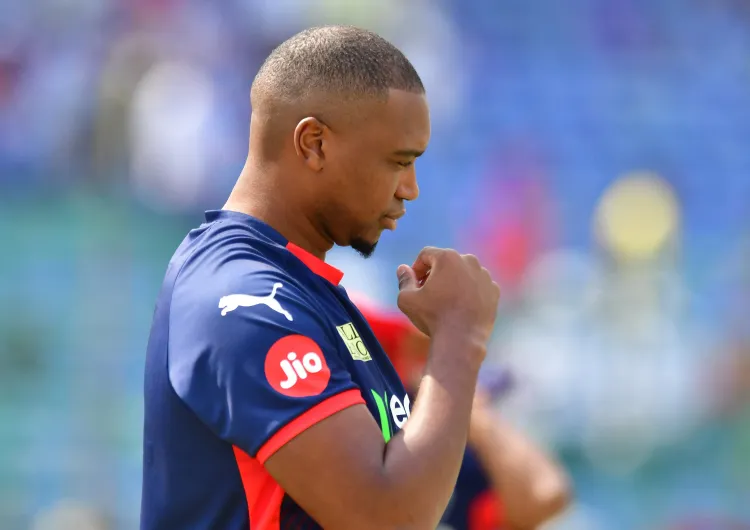
Delhi Capitals pacer Lungi Ngidi has been discharged from BLK-Max Super Speciality Hospital and returned to the DC team hotel in New Delhi after a terrifying on-field head injury during an IPL 2026 match against Punjab Kings. Sources confirm he is 'doing well' as the franchise medical team continues close monitoring.
Key Takeaways
Lungi Ngidi has been discharged from BLK-Max Super Speciality Hospital and returned to the Delhi Capitals team hotel in New Delhi on April 25, 2026 .
Sources confirmed Ngidi is "doing well" and will continue to be monitored by the Delhi Capitals medical staff.
The injury occurred in the third over of Punjab Kings' chase when Ngidi fell backwards attempting to catch Priyansh Arya at mid-off , hitting his head on the turf.
Delhi Traffic Police created a green corridor enabling the ambulance to reach the hospital in just 11 minutes .
Leg-spin all-rounder Vipraj Nigam replaced Ngidi as the official concussion substitute in Delhi Capitals' playing eleven.
Teammates David Miller and Tristan Stubbs were visibly shaken; DC coach Hemang Badani called for a neck brace to be applied immediately on the field.
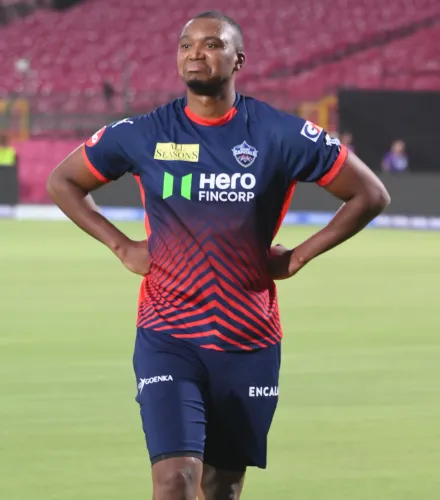
Lungi Ngidi, the Delhi Capitals pacer, has been discharged from BLK-Max Super Speciality Hospital in New Delhi and has returned to the DC team hotel, with sources confirming on April 25 that the South African fast bowler is "doing well" following a frightening head injury sustained during an IPL 2026 match against Punjab Kings. The franchise's medical staff continues to monitor him closely. The swift recovery indication has brought relief to teammates, coaching staff, and cricket fans across the country.
What Sources Said About Ngidi's Condition
Sources close to the franchise confirmed to news agencies that Ngidi's return to the team hotel is a "positive indication of his recovery." "Lungi Ngidi is doing well and has now returned to the DC team hotel in New Delhi. Him being sent back to the hotel after being discharged from the hospital is a positive indication of his recovery, and the franchise medical staff will continue to take good care of him," sources stated.
The Delhi Capitals medical team has been assigned to monitor the pacer around the clock, with no official timeline yet provided regarding his potential return to competitive cricket. His participation in upcoming IPL 2026 fixtures remains uncertain as medical protocols for concussion injuries are strictly followed.
How the Injury Unfolded on the Field
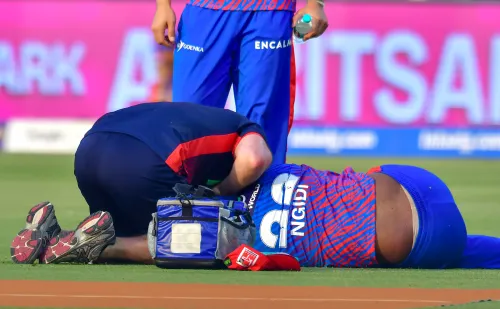
The incident occurred during the third over of Punjab Kings' chase when Ngidi attempted to take a catch off Priyansh Arya at mid-off. He fell backwards, violently banging the back of his head into the turf. He immediately clutched his head and lay motionless on the ground as the medical team rushed onto the field.
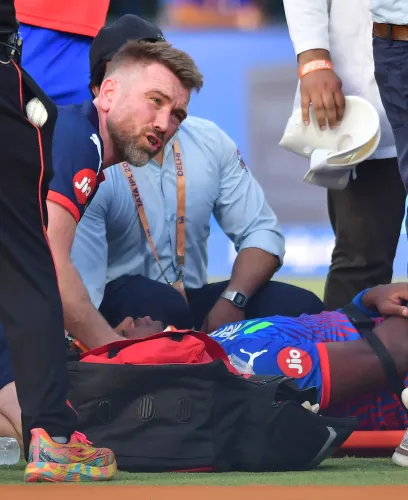
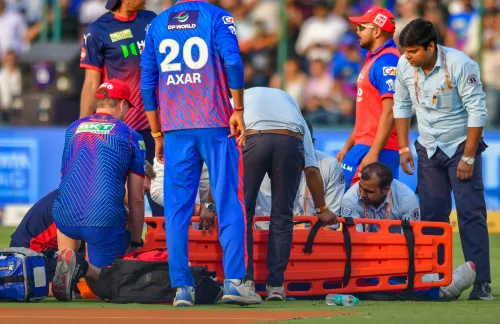
Play was halted for approximately 15 minutes while doctors and physiotherapists assessed the severity of the injury. DC coach Hemang Badani was seen urgently gesturing for a neck brace to be applied, underscoring the initial concern about a potential spinal or cervical injury. Though Ngidi was conscious and able to communicate with medical staff through hand gestures, he was unable to move his neck and head freely.
A neck brace was carefully slid under his head before he was strapped onto a stretcher and wheeled off the field inside an ambulance that had been driven directly onto the ground — scenes that left the crowd in stunned silence.
Green Corridor and Emergency Response
In a swift coordinated effort, the Delhi Traffic Police established a green corridor that enabled Ngidi's ambulance to travel from the stadium to BLK-Max Super Speciality Hospital, located near Rajendra Nagar Metro Station, in a remarkable 11 minutes. The rapid response underscored the efficiency of emergency protocols put in place for high-profile sporting events in the capital.
The green corridor mechanism, increasingly used in India for medical emergencies involving VIPs and critical patients, proved critical in ensuring Ngidi received immediate specialist attention without delay. Sports medicine experts have noted that time is a decisive factor in managing potential traumatic brain injuries (TBI) and cervical trauma.
Teammates Visibly Shaken, Concussion Substitute Named
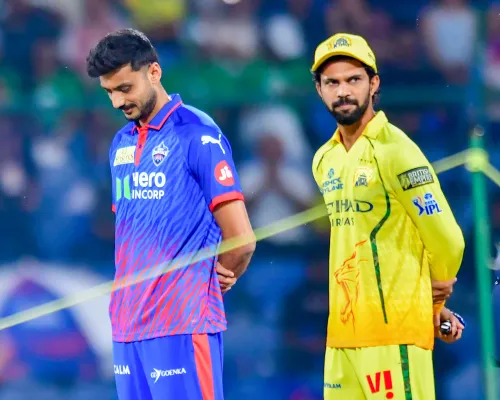
Ngidi's teammates David Miller and Tristan Stubbs were visibly distressed as the situation unfolded, with both players seen with tense, worried expressions on the field. The incident cast a heavy shadow over the match as players from both sides gathered around the fallen pacer.
Following standard IPL concussion substitution protocols, Ngidi was replaced in Delhi Capitals' playing eleven by leg-spin bowling all-rounder Vipraj Nigam, who came in as the official concussion substitute. The Board of Control for Cricket in India (BCCI) has had concussion substitute rules in place since 2019, modelled on international cricket's evolving player safety framework.
Broader Significance: Player Safety in IPL Under Spotlight
This incident reignites the ongoing conversation around player safety protocols in the Indian Premier League. Head injuries in cricket have gained heightened global attention since the tragic death of Australian batsman Phillip Hughes in 2014, which led to sweeping changes in helmet standards and on-field medical response procedures worldwide.
Notably, the BCCI and IPL have progressively upgraded their medical infrastructure at venues, and Ngidi's case demonstrates the life-saving potential of these systems when functioning optimally. The 11-minute green corridor and immediate specialist care at BLK-Max Hospital may well have made a critical difference in his recovery trajectory.
As IPL 2026 continues, all eyes will remain on Lungi Ngidi's health updates, with the Delhi Capitals expected to provide official statements on his fitness and potential return to the squad in the coming days.
Point of View
And on this occasion, the system held. The 11-minute green corridor, the immediate neck brace protocol, and the concussion substitute rule all worked as designed. But the real question India's cricketing establishment must confront is whether these safeguards are consistently applied across all IPL venues and all levels of domestic cricket — or only when the cameras are rolling on a marquee franchise. Player welfare cannot be a premium service reserved for the IPL alone.
NationPress
20 Sept 2026
Frequently Asked Questions
What happened to Lungi Ngidi during the IPL 2026 match?
Lungi Ngidi suffered a serious head injury during the IPL 2026 match between Delhi Capitals and Punjab Kings when he fell backwards attempting a catch at mid-off, hitting the back of his head hard on the turf. He was stretchered off the field and taken by ambulance to BLK-Max Super Speciality Hospital in New Delhi.
Has Lungi Ngidi been discharged from hospital?
Yes, Lungi Ngidi has been discharged from BLK-Max Super Speciality Hospital and has returned to the Delhi Capitals team hotel in New Delhi. Sources confirmed on April 25 that he is 'doing well' and is being monitored by the franchise's medical staff.
Who replaced Lungi Ngidi in the Delhi Capitals playing eleven?
Leg-spin bowling all-rounder Vipraj Nigam replaced Lungi Ngidi as the official concussion substitute in Delhi Capitals' playing eleven. The concussion substitute rule allows teams to replace a player who suffers a head injury during a match.
How did Delhi Traffic Police help during Lungi Ngidi's medical emergency?
The Delhi Traffic Police created a green corridor that allowed Ngidi's ambulance to travel from the stadium to BLK-Max Super Speciality Hospital near Rajendra Nagar Metro Station in just 11 minutes. This rapid transit was critical in ensuring timely medical care for the pacer.
Will Lungi Ngidi play again in IPL 2026?
Lungi Ngidi's return to competitive cricket in IPL 2026 remains uncertain as of April 25. The Delhi Capitals franchise has stated that their medical staff will continue to monitor him closely, but no official timeline for his return has been announced.