Sooryavanshi's 204 shows white-ball excess: Manjrekar
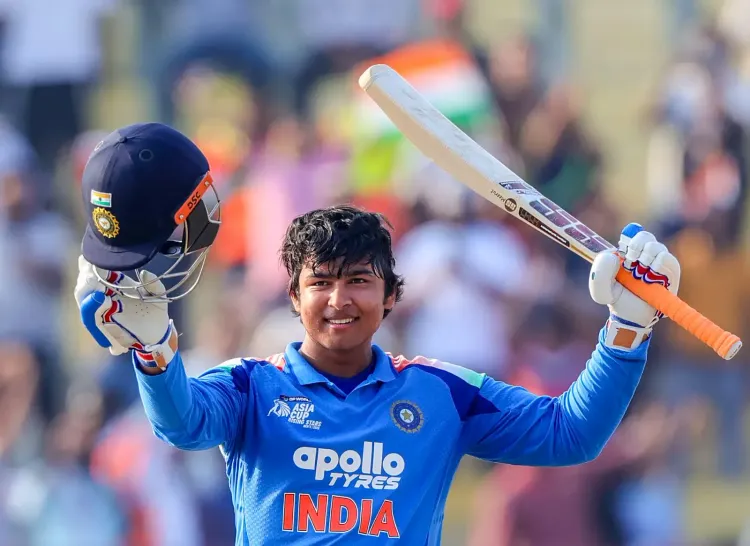
Synopsis
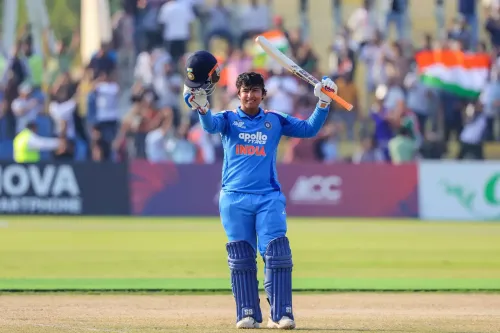
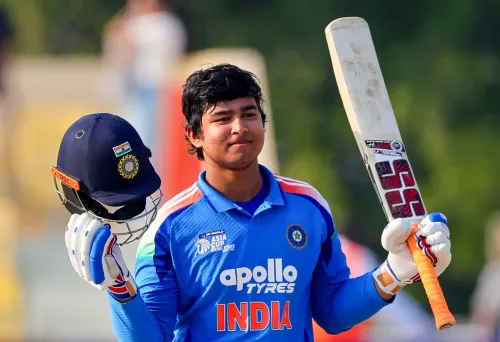
Vaibhav Sooryavanshi's 204 off 53 balls, packed with 28 sixes, rewrote List A records in Doha — and drew a rebuke from Sanjay Manjrekar, who called it proof white-ball cricket has become a bat-only spectacle. The teenager had scored just 26 and 11 in his first two games.
Key Takeaways
Sanjay Manjrekar said Vaibhav Sooryavanshi's 204 was a reminder of the ‘ridiculous stage’ white-ball cricket has reached.
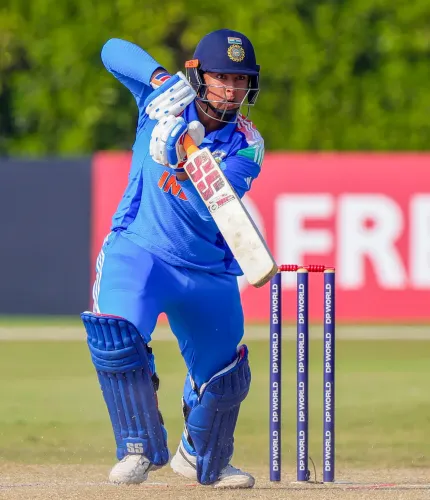
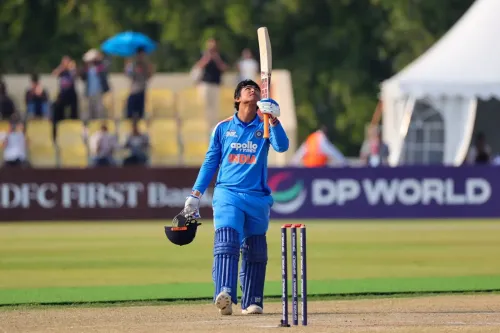
Sooryavanshi smashed 204 off 53 balls for India A vs the UAE in Doha on Tuesday , with seven fours and 28 sixes .
He reached a century in 28 balls and a double hundred in 52 deliveries , nearly halving the previous fastest List A 200.
His strike rate of 384.90 is the highest recorded for a century in List A cricket; the 28 sixes are a List A record.
He had scored only 26 vs Nepal and 11 vs Pakistan A before the blitz, and spoke to Yuvraj Singh for nearly half an hour on the eve of the match.
India A next face Sri Lanka A in the semi-final on Thursday .
Former India batter Sanjay Manjrekar on Wednesday praised teenage batting sensation Vaibhav Sooryavanshi for a record-breaking 204 against the UAE, while arguing the innings showed how lopsided limited-overs cricket has become in favour of batters. Sooryavanshi smashed 204 off 53 balls for India A in the Asia Cup Men's Rising Stars tournament in Doha on Tuesday, an innings studded with seven fours and 28 sixes.
Manjrekar's warning on white-ball cricket
Manjrekar, writing on X on Wednesday, said there was something special about the teenager but framed the knock as evidence that the format has gone too far. “There is something special about Vaibhav no doubt about that. But what he did is another reminder of the ridiculous stage white ball cricket has reached. It's a fallacy to think that this is what fans want. It's a game of bat & ball. Not just bat,” he wrote.
His comments add to a wider debate over whether limited-overs cricket has tilted too far towards batters, with bowlers finding it increasingly difficult to stem the flow of runs. Manjrekar's core point was that cricket is meant to be a contest between bat and ball, not a batting exhibition alone. The remarks land a day after an innings that compressed a double hundred into a blur of hitting, a strike rate of 384.90 that will be read as both a landmark and, in his telling, a warning sign.
List A records rewritten in Doha
The left-hander rewrote several List A records during the blitz. He reached three figures in just 28 balls, the fastest List A century in the format, and then broke his own record for the quickest 150. His double century came off just 52 deliveries, nearly halving the previous mark for the fastest List A 200.
The 28 sixes were the most ever struck in a List A innings. Notably, the knock arrived in a rising-stars fixture rather than a senior international, yet the numbers immediately entered the List A record books. Critics of modern white-ball cricket have long argued that shorter boundaries, flatter pitches and fielding restrictions have stacked the contest. Sooryavanshi's night in Doha will be cited on both sides — as proof of a generational talent, and as Exhibit A for those who say the game of bat and ball is becoming a game of bat alone.
From modest scores to a 53-ball double hundred
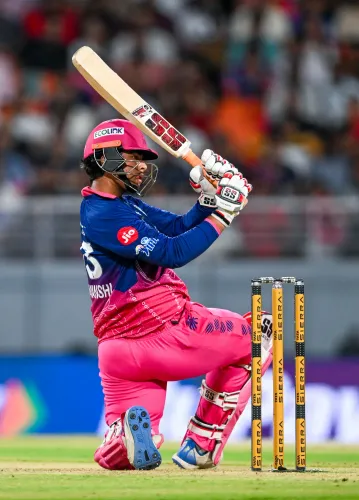
The scale of the knock stood in sharp contrast to Sooryavanshi's earlier returns in Doha. He had managed only modest scores in India A's first two games — 26 against Nepal and 11 against Pakistan A. He was also dismissed for 18 while playing for Bihar against Saurashtra in the Syed Mushtaq Ali Trophy in Indore, where he led his state team for the first time.
In a video posted on the BCCI website on Wednesday, the teenager revealed that he had spoken to former India all-rounder Yuvraj Singh for nearly half an hour on the eve of the UAE game. That conversation, he said, helped him identify a flaw that he then worked on correcting. Sooryavanshi described Yuvraj as his idol and added that Yuvraj had shared technical inputs on his batting and urged him to spend more time at the crease.
India A semi-final against Sri Lanka A
India A will next face Sri Lanka A in the semi-final of the tournament on Thursday. The fixture will test whether Sooryavanshi can follow a historic striking display with another substantial score in knockout cricket. This comes amid a broader argument among former players about whether white-ball playing conditions still offer bowlers a fair contest.
Manjrekar was careful to call the batter special even as he put the record in a format-level frame. For India A's campaign in Doha, the immediate task is simpler: back up a record night against a stronger Sri Lanka A attack, with the debate over bat versus ball certain to travel with every six that follows.
Point of View
But he is arguing against the product that boards, broadcasters and leagues have spent a decade designing. Boundary-heavy pitches, shorter formats and powerplay rules were not accidents; they were commercial choices. Sooryavanshi did not invent the tilt — he merely exposed it at teenage speed. Until playing conditions restore a genuine contest, every 50-ball double hundred will be both a prodigy's statement and an indictment of the format.
NationPress
25 Nov 2026
Frequently Asked Questions
What did Sanjay Manjrekar say about Vaibhav Sooryavanshi's 204?
Manjrekar praised Sooryavanshi as special but said the 204 was another reminder of the ridiculous stage white-ball cricket has reached. He argued it is a fallacy to think this is what fans want, calling cricket a game of bat and ball, not just bat.
What records did Vaibhav Sooryavanshi break against the UAE?
Sooryavanshi scored 204 off 53 balls, reaching a century in 28 balls — the fastest List A hundred — and a double century in 52 deliveries, nearly halving the previous fastest List A 200. He also hit 28 sixes, the most in a List A innings, at a strike rate of 384.90, the highest recorded for a century in the format.
How had Sooryavanshi been batting before the 204?
He had managed only modest scores in Doha before the UAE game, making 26 against Nepal and 11 against Pakistan A. He was also dismissed for 18 for Bihar against Saurashtra in the Syed Mushtaq Ali Trophy in Indore, where he captained his state side for the first time.
How did Yuvraj Singh help Sooryavanshi before the UAE match?
Sooryavanshi said he spoke to former India all-rounder Yuvraj Singh for nearly half an hour on the eve of the UAE game, which helped him identify a flaw he then worked on. He described Yuvraj as his idol and said Yuvraj shared technical batting inputs and urged him to spend more time at the crease.
Who does India A play next in the Asia Cup Rising Stars?
India A will face Sri Lanka A in the semi-final of the Asia Cup Men's Rising Stars tournament in Doha on Thursday. The knockout game is the next test of whether Sooryavanshi can follow the record 204 with another substantial score.