Manjrekar warns ICC: Leniency on Jaiswal-Fernando row breeds repeat offenders
Synopsis
Sanjay Manjrekar's blunt warning to the ICC cuts to the heart of a governance gap: when a helmet strike earns only a 25% fine and one demerit point, the message to players — including teenagers like Sooryavanshi — is that the line can be crossed without real consequence. Two incidents in quick succession make this a pattern, not an anomaly.
Key Takeaways
Sanjay Manjrekar publicly criticised the ICC and BCCI on X over their handling of the Jaiswal-Fernando confrontation during the second Test in Colombo .
Both Yashasvi Jaiswal and Asitha Fernando were fined 25 per cent of their match fee and handed one demerit point each.
Manjrekar warned that leniency 'trains' players to repeat such behaviour, citing the separate Vaibhav Sooryavanshi incident with Sri Lanka A as a related pattern.
Jaiswal responded to criticism from commentator Harsha Bhogle , saying: 'If anyone crosses the line, we need to let them know this India will fight and reply.' Sooryavanshi , aged 15 , was involved in a physical altercation with Sri Lanka A player Vishen Halambage after a match.
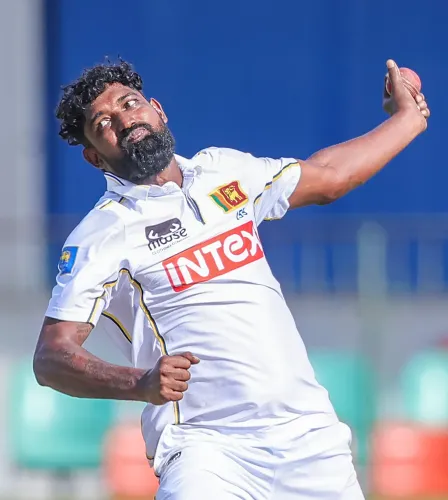
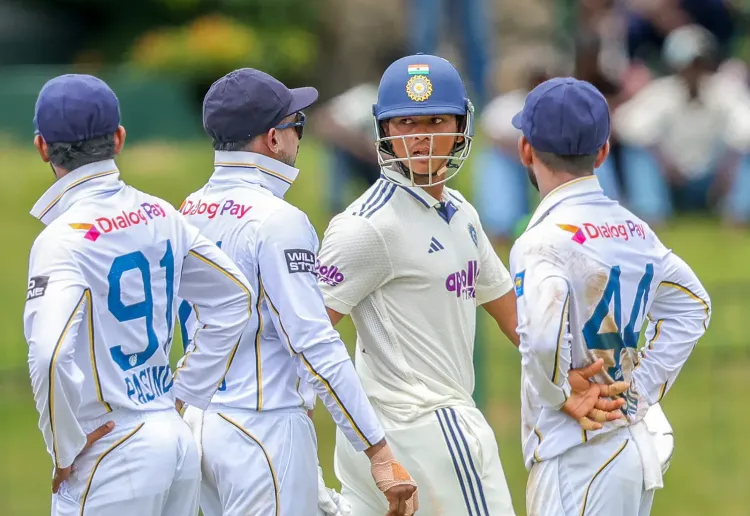
Former India cricketer Sanjay Manjrekar has publicly criticised the International Cricket Council (ICC) over its handling of the on-field altercation between opener Yashasvi Jaiswal and Sri Lanka pacer Asitha Fernando during the second Test in Colombo, warning that lenient penalties could condition players to repeat such behaviour.
What Manjrekar Said
Manjrekar took to X (formerly Twitter) to raise the alarm, linking the Jaiswal-Fernando confrontation to a separate incident involving 15-year-old Vaibhav Sooryavanshi during India A's engagements against Sri Lanka A. 'Dear @icc & @bcci, Vaibhav for Ind A recently & now Jaiswal… if you keep letting them get away with such behaviour, you train them to repeat such behaviour. It's not good for the sport & crucially their own future too,' Manjrekar posted.
Manjrekar, who has previously spoken out against on-field misconduct, argued that institutional inaction sends the wrong signal — particularly to younger players still forming their professional instincts.
The Jaiswal-Fernando Incident
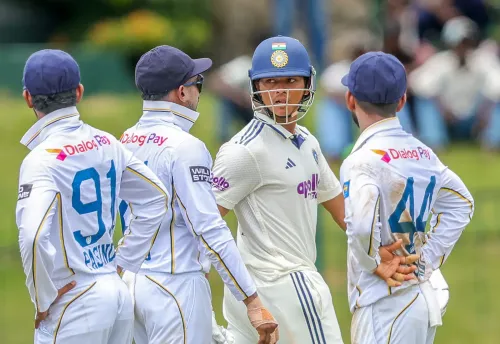
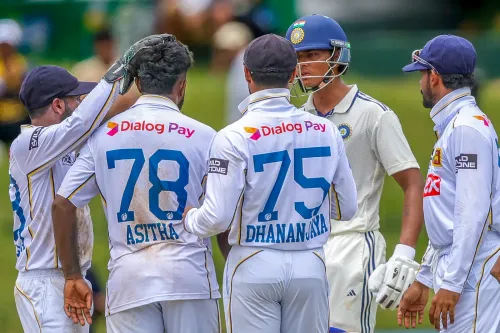
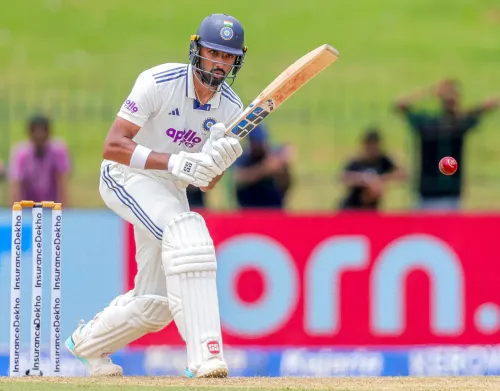
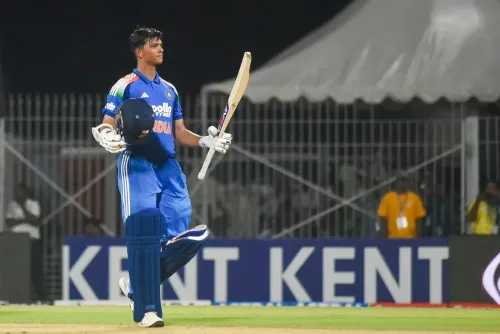
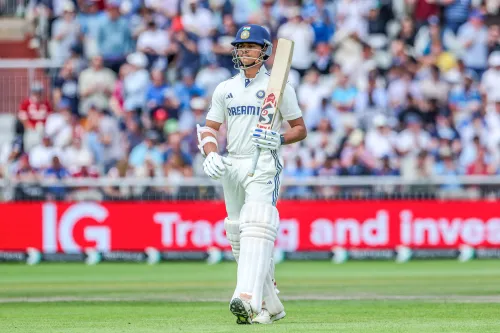
The confrontation occurred after Jaiswal was dismissed during the second Test against Sri Lanka in Colombo. The exchange turned physical when Jaiswal's helmet struck Fernando's forehead. The ICC subsequently fined both players 25 per cent of their match fee and handed each one demerit point — a sanction critics, including Manjrekar, consider insufficient.
Jaiswal's Own Response
Jaiswal addressed the controversy after commentator Harsha Bhogle discussed the incident in a video posted on Instagram. Responding in the comments, Jaiswal wrote: 'If you don't know what he said, then please don't make your judgement. If anyone crosses the line, we need to let them know this India will fight and reply.' The statement drew further debate about the line between competitive aggression and unsportsmanlike conduct.
The Sooryavanshi Parallel
Manjrekar's post also highlighted the earlier incident involving Sooryavanshi, who was involved in a physical altercation with Sri Lanka A player Vishen Halambage after a match. At the time, Manjrekar said that had he been part of the India A management, he would have dropped Sooryavanshi for the following game to send an unambiguous message that physical confrontations are unacceptable at any level of the sport.
What This Means for Cricket Governance
The back-to-back incidents have renewed scrutiny of the ICC's disciplinary framework, particularly its demerit point system. Critics argue that a 25 per cent match fee fine and a single demerit point — well below the threshold for a suspension — functions more as a slap on the wrist than a credible deterrent. With India's cricket calendar intensifying and younger players entering the international fold, the debate over conduct standards is unlikely to fade after this series.
Point of View
But it only bites after repeated offences — meaning a first-time physical confrontation carries almost no immediate consequence beyond a partial match fee deduction. Manjrekar's frustration is legitimate: two incidents involving Indian players in the same bilateral series, at different age levels, suggest a cultural permissiveness that neither the ICC nor the BCCI has moved decisively to address. The real question is whether the board will act proactively or wait for a more serious incident to force the issue.
NationPress
10 Oct 2026
Frequently Asked Questions
What happened between Yashasvi Jaiswal and Asitha Fernando in the Colombo Test?
The two players were involved in a heated on-field exchange after Jaiswal was dismissed during the second Test in Colombo. The confrontation escalated when Jaiswal's helmet struck Fernando's forehead, prompting the ICC to sanction both players.
What punishment did the ICC hand to Jaiswal and Fernando?
The ICC fined both Yashasvi Jaiswal and Asitha Fernando 25 per cent of their match fee and issued each player one demerit point. Critics, including Sanjay Manjrekar, have argued the penalty is insufficient to deter similar conduct.
Why did Sanjay Manjrekar criticise the ICC and BCCI?
Manjrekar argued that consistently lenient responses to on-field misconduct effectively condition players to repeat such behaviour. He linked the Jaiswal-Fernando incident to a separate physical altercation involving teenager Vaibhav Sooryavanshi during India A's tour, calling the pattern a risk to the sport and to the players themselves.
What did Yashasvi Jaiswal say in response to criticism?
Jaiswal responded in the comments section of a video by commentator Harsha Bhogle on Instagram, writing: 'If you don't know what he said, then please don't make your judgement. If anyone crosses the line, we need to let them know this India will fight and reply.'
Who is Vaibhav Sooryavanshi and what was his involvement?
Vaibhav Sooryavanshi is a 15-year-old Indian batter who was involved in a physical altercation with Sri Lanka A player Vishen Halambage after a match during India A's tour. Manjrekar had called for Sooryavanshi to be dropped from the next game as a disciplinary message.