IPL can't tolerate sub-standard umpiring, Lalit Modi warns after Raghuvanshi controversy
Synopsis
Lalit Modi has sounded a rare alarm: the IPL's shift from ICC-accredited global umpires to a cheaper domestic model is eroding the league's credibility. The Raghuvanshi dismissal is symptomatic of a deeper governance failure — one that threatens the world's most profitable cricket league from within.
Key Takeaways
Lalit Modi criticised the BCCI for abandoning ICC-accredited global umpires , citing cost-cutting as the reason.
Angkrish Raghuvanshi was controversially given out for obstructing the field in KKR vs LSG despite no deliberate intent.
Modi established three foundational pillars during his tenure: ICC umpires, ICC Anti-Corruption Team, and IMG management — all now abandoned.
Modi warned that rushed, inconsistent decisions damage the IPL's credibility and commercial value as the world's most valuable cricket league.
Current BCCI administrators lack personal stake in the league's long-term health, Modi alleged.
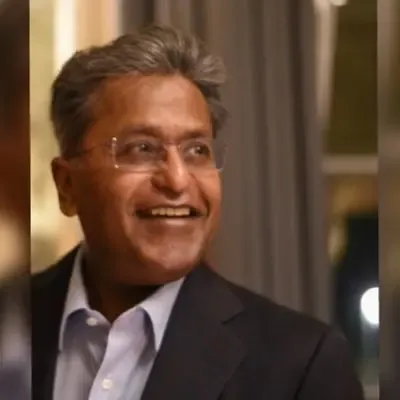
Lalit Modi, the former IPL Commissioner and founder, on Tuesday called out the BCCI for abandoning world-class officiating standards, citing the controversial 'obstructing the field' dismissal of Kolkata Knight Riders batter Angkrish Raghuvanshi in the match against Lucknow Super Giants as a watershed moment. Modi argued that the world's most valuable cricket league cannot afford inconsistent umpiring decisions that erode its credibility and commercial standing.
The Raghuvanshi incident
Raghuvanshi was adjudged out for obstructing the field after he slipped and fell while attempting to make his ground, with the throw hitting his body unintentionally. The third umpire upheld the LSG players' appeal despite widespread consensus that the batter had no deliberate intent to block the ball. The decision has triggered significant backlash across the cricketing fraternity and social media.
Modi's criticism of cost-cutting
In a pointed social media post, Modi revealed that during his tenure, the IPL exclusively engaged ICC-accredited umpires from around the world to ensure consistency and professionalism. He alleged that the BCCI has since shifted to a cheaper officiating model, abandoning three foundational pillars he had established: ICC umpires, ICC Anti-Corruption Team oversight, and IMG-led tournament management.
The credibility cost
"The IPL is the most valuable cricket league in the world — it cannot afford sub-standard officiating," Modi said. "When decisions are rushed and inconsistent, it damages the credibility of the competition." He underscored that rushed judgements and rule inconsistencies directly undermine fan experience and the league's global brand value, which has taken years to build.
Modi's warning on governance
Modi criticised the current BCCI administration for lacking personal stake in the league's long-term health. "The problem is that the people governing the game have no stake in the game. Cutting corners is a sure way of slowly downgrading the game," he said, urging administrators to prioritise game integrity over cost reduction. He called on the BCCI to "wake up in time" before further erosion of standards becomes irreversible.
Broader implications
The Raghuvanshi dismissal is the latest in a series of contentious umpiring calls this season, raising questions about the IPL's officiating framework. With franchises, players, and sponsors increasingly vocal about decision quality, pressure is mounting on the BCCI to either restore international umpire deployment or implement a more robust domestic training and oversight mechanism.
Point of View
Yet it now tolerates the kind of officiating inconsistency that would be unthinkable in international matches. The irony is stark — a league worth billions is nickel-and-diming its most critical asset: credibility. If the BCCI believes cost-cutting on umpires is acceptable, it has fundamentally misunderstood what separates a premium sports product from a provincial one. The Raghuvanshi call is a symptom; the disease is governance complacency.
NationPress
16 Sept 2026
Frequently Asked Questions
Why was Angkrish Raghuvanshi given out in the KKR vs LSG match?
Raghuvanshi was adjudged out for obstructing the field after he slipped and fell while attempting to make his ground, with the throw hitting his body unintentionally. The third umpire upheld the appeal despite widespread criticism that the batter had no deliberate intent to block the ball.
What is Lalit Modi's main criticism of the BCCI?
Modi alleges that the BCCI has abandoned world-class ICC-accredited global umpires in favour of a cheaper domestic officiating model. He argues this cost-cutting measure erodes the IPL's credibility and contradicts the three foundational pillars he established: ICC umpires, ICC Anti-Corruption Team oversight, and IMG-led tournament management.
Why does Modi say the IPL cannot afford sub-standard officiating?
Modi contends that the IPL is the world's most valuable cricket league, and inconsistent or rushed umpiring decisions damage its credibility and commercial standing. Poor officiating directly impacts fan experience and undermines the league's global brand value built over years.
What were the three foundational pillars Modi established for the IPL?
During his tenure as IPL Commissioner, Modi ensured that the league operated under three core principles: exclusive use of ICC-accredited umpires from around the world, oversight by the ICC Anti-Corruption Team, and management of the tournament by IMG. Modi claims all three have since been abandoned.