T20 World Cup: Saqlain Mushtaq Critiques Coach Hesson for All-Rounders' Poor Performance Following Pakistan's Exit
Synopsis
Saqlain Mushtaq has criticized coach Mike Hesson for the disappointing performances of all-rounders Shadab Khan and Mohammad Nawaz in the ICC T20 World Cup, attributing their struggles to mismanagement and unclear roles, following Pakistan's early exit from the tournament.
Key Takeaways
Mismanagement of all-rounders: Saqlain Mushtaq attributes the struggles of Shadab and Nawaz to ineffective coaching strategies.
Role clarity: Lack of clearly defined roles for players led to poor performance.
Selection decisions: The choice of players and their tactical deployment were questioned.
Comparison with international players: Mushtaq emphasized the need to contextualize performance expectations.
Impact on team structure: Disrupted batting and bowling balance affected overall team performance.
New Delhi, Mar 1 (NationPress) Former Pakistan cricketer Saqlain Mushtaq has pointed to the lackluster performances of all-rounders Shadab Khan and Mohammad Nawaz during the ICC Men’s T20 World Cup 2026 as being linked to what he terms mismanagement and unrealistic demands from head coach Mike Hesson.
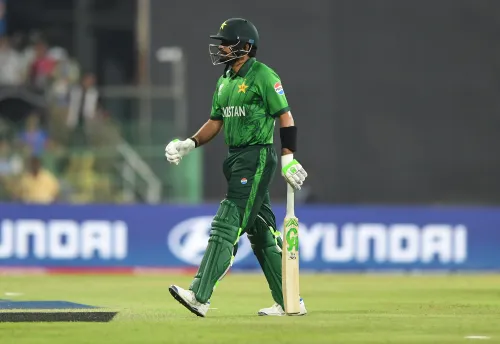
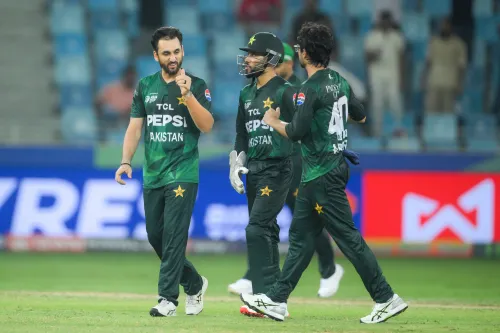
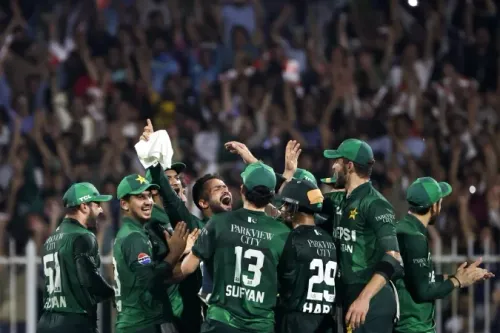
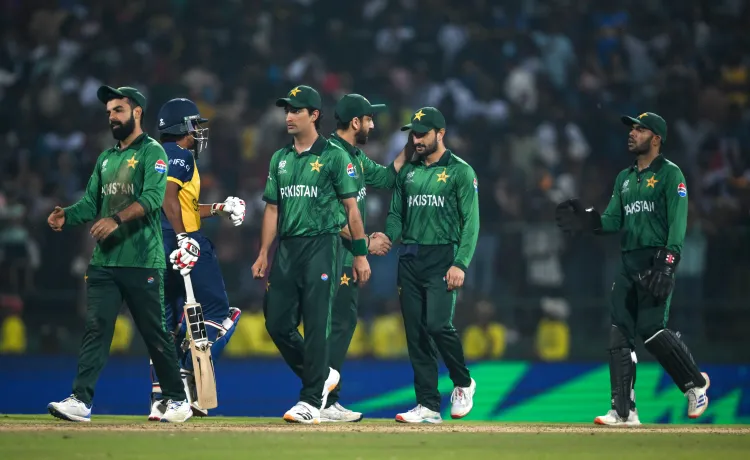
This criticism surfaced after the Pakistan national cricket team failed to reach the semi-finals, exiting the tournament due to their inability to achieve a crucial win against the Sri Lanka national cricket team in their final Super Eights match. This disappointing exit has led to increased scrutiny of both Hesson and captain Salman Ali Agha, especially regarding team composition and player roles.
Mushtaq raised concerns about the clarity of the roles assigned to Shadab and Nawaz, indicating that the team management did not effectively communicate their responsibilities.
“All-rounders come in various forms. There are bowlers who can bat, batters who can bowl, and complete all-rounders. I've mentioned this repeatedly,” Mushtaq stated during the show Tapmad.
He highlighted selection choices and tactical implementations as factors that compromised the team's structure and diminished its bowling strength.
“In the Pakistan team, the all-rounders selected from our talent pool, particularly Shadab and Nawaz, what was their defined role? If you look at the statistics, who were our leading wicket-takers? Initially, Usman Tariq was not included, and we were urged to select him, which we did. Abrar Ahmed, a specialist bowler, was then added.
“The batting balance was disrupted because we relied on Shadab and Nawaz for both batting and bowling. Both have shown their capabilities in both areas. Currently, the situation is inconsistent. Coach Hesson was expecting them to fulfill both roles. They were not utilized effectively during death overs. Sometimes Nawaz bowled during the powerplay, and Usman Tariq and Abrar took over in the middle overs,” he elaborated.
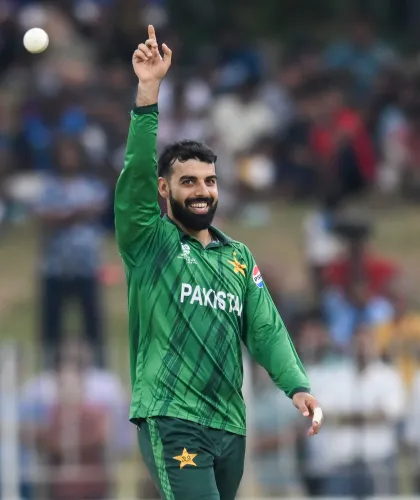
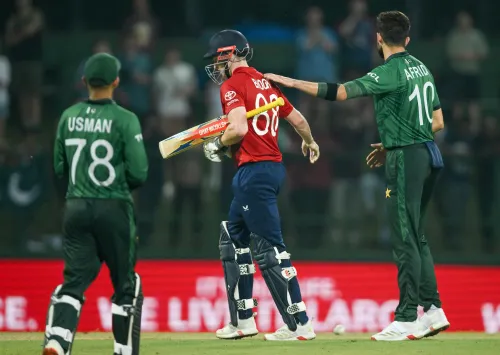
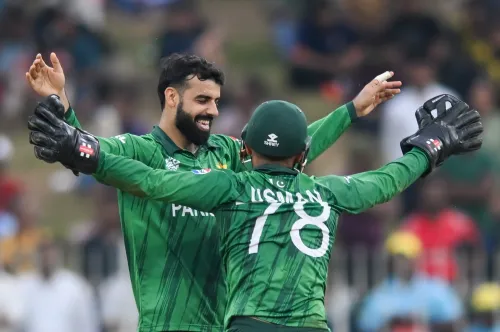
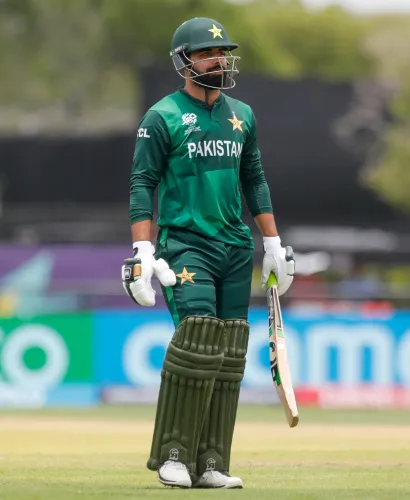
Statistically, both players struggled to make a significant impact throughout the competition. Shadab’s standout performance was during Pakistan’s group match against Namibia, where he scored an unbeaten 36 and took three wickets. In contrast, Nawaz faced challenges with the bat, accumulating only 20 runs across five innings, although he did claim seven wickets, with his best performance against England in the Super Eights.
Mushtaq defended both players by comparing them to notable international all-rounders, asserting that performance expectations must be contextualized.
“How has Mitchell Santner performed in this tournament? What about Axar Patel? What has Dunith Wellalage achieved? How many wickets did they secure? My point is that Mike Hesson expected both players to contribute in batting and bowling. When I was the head coach, the selection committee assured me they were equally proficient. However, their utilization could have been optimized for better results, like giving them the third over after the second over. Recently, Naseem was given the third over, and previously Shadab bowled in the same spot against England,” Mushtaq remarked.
Mushtaq's comments have intensified the ongoing debate regarding Pakistan’s strategic decisions during the tournament, raising issues about role clarity, selection criteria, and the management of multi-skilled players in high-stakes international competitions.
Point of View
The ongoing debate surrounding the Pakistan cricket team's performance highlights essential questions about coaching strategies and player management, especially in high-pressure scenarios like the T20 World Cup. The insights from Saqlain Mushtaq shed light on the need for clearer role definitions and effective utilization of talent in the national squad.
NationPress
20 Sept 2026
Frequently Asked Questions
What did Saqlain Mushtaq criticize about coach Mike Hesson?
Saqlain Mushtaq criticized Mike Hesson for mismanagement and unrealistic expectations regarding the roles of all-rounders Shadab Khan and Mohammad Nawaz during the T20 World Cup.
Why did Pakistan exit the T20 World Cup?
Pakistan exited the T20 World Cup after failing to secure a win against Sri Lanka in their final Super Eights match, leading to their inability to advance to the semi-finals.
How did Shadab Khan perform in the tournament?
Shadab Khan's most notable performance was during the group stage against Namibia, where he scored 36 runs and took three wickets.
What concerns did Mushtaq raise about the team management?
Mushtaq expressed concerns regarding the lack of clarity in roles assigned to all-rounders and the overall selection and tactical decisions made by the team management.
What comparisons did Mushtaq make regarding performance expectations?
Mushtaq compared Shadab and Nawaz's performances to those of prominent international all-rounders, emphasizing the need to contextualize performance expectations.