Did Bracewell and Smith Save New Zealand After West Indies' Seamers Dominated a Rain-Affected Day 1?
Synopsis
On a rain-soaked day at Hagley Oval, New Zealand faced a tough battle against the West Indies seamers. However, a resilient partnership between Michael Bracewell and Nathan Smith helped the team recover. Discover how they turned the tide after a shaky start, ensuring New Zealand finished the day on an even keel.
Key Takeaways
Bracewell and Smith 's partnership was crucial for recovery.
Weather interruptions played a significant role in the day's play.
Kane Williamson set a solid foundation with his half-century.
Discipline from West Indies bowlers led to early breakthroughs.
Extra runs given away by the West Indies could impact the match.
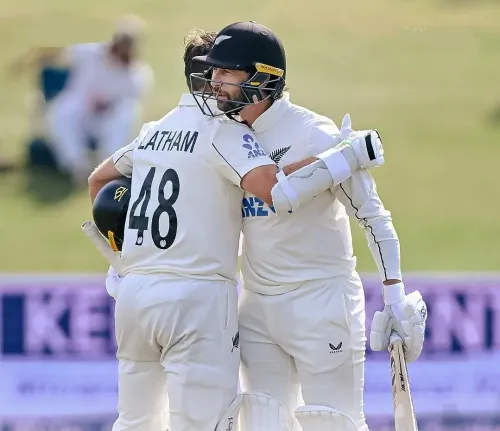
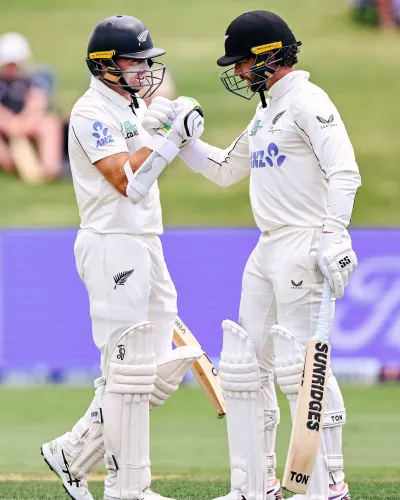
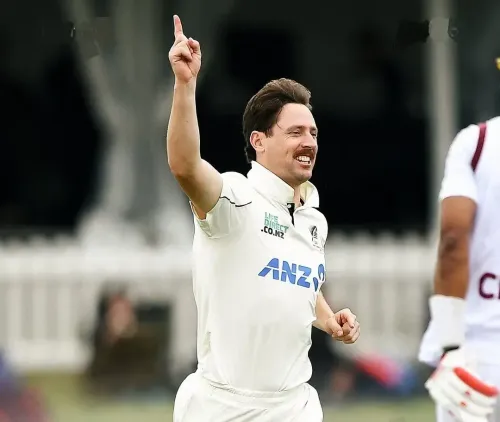
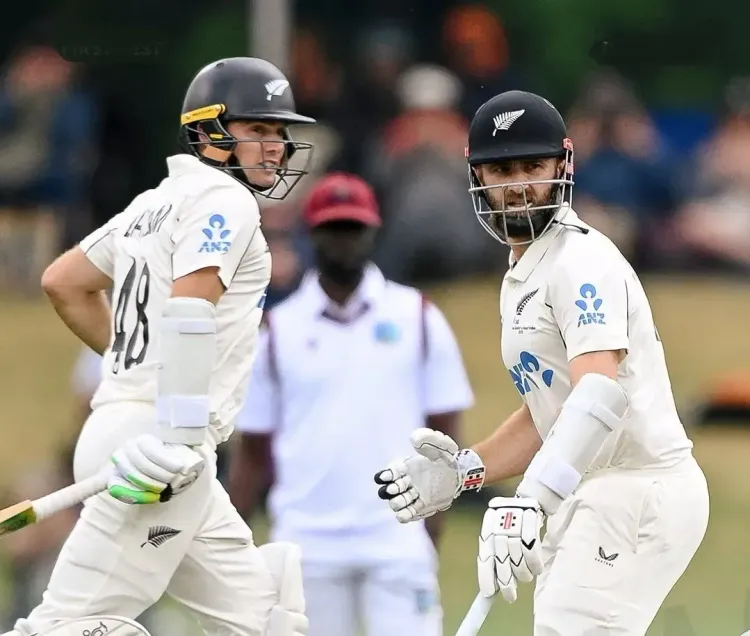
Christchurch, Dec 2 (NationPress) Michael Bracewell and Nathan Smith staged a remarkable recovery with their resilient 52-run partnership for the seventh wicket, allowing New Zealand to finish a rain-affected first day on even terms after a stunning collapse in seam-friendly conditions at Hagley Oval. By the end of the day, the home team had posted 231 for 9, bouncing back from a precarious 148 for 6, with Kane Williamson’s half-century setting the groundwork.
Winning the toss, West Indies captain Roston Chase opted to bowl first, taking advantage of the damp overhead conditions, a green-tinged pitch, and the venue’s historical preference for batting second, as only once in 15 Tests here has a captain elected to bat first.
The decision bore fruit quickly. Kemar Roach, returning to Test cricket after a hiatus since January 2025, struck in his very first over, luring Devon Conway into a loose shot that was caught at second slip by Justin Greaves. Just as the innings began, rain interrupted play, leading to a 90-minute delay with only 3.3 overs bowled. Another downpour curtailed the first session to a mere 10.3 overs, during which New Zealand could only manage 17 runs.
Post-lunch, Williamson began to find his rhythm, hitting two boundaries in three deliveries off Johann Layne. Although not always in full control, he utilized soft hands and late adjustments—characteristics of his batting style—to navigate the challenging pitch.
On his debut, Ojay Shields started nervously, bowling a short, wide no-ball that Tom Latham, then on 2 off 34, hit for four. Shields later bowled Williamson with a delivery that snuck through the gates, only to have it chalked off due to another overstep—a clear indication of the assistance available for disciplined seam bowlers.
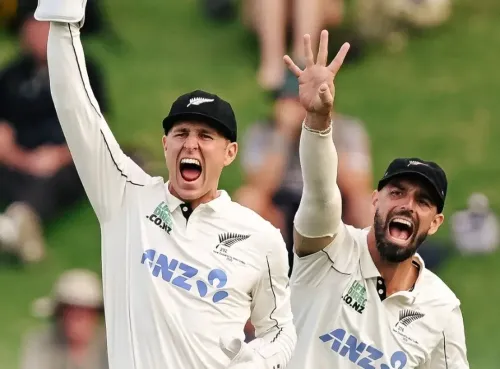
Justin Greaves showcased that discipline, taking out both established batters in quick succession. Williamson, caught at second slip, and Latham, who edged an overpitched delivery to the wicketkeeper, both fell to his bowling.
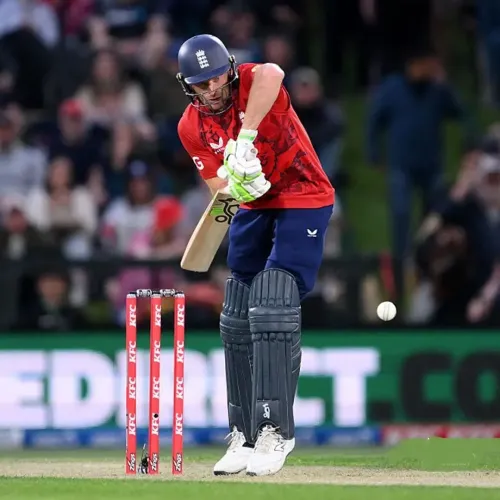
West Indies maintained their momentum, with Jayden Seales bowling Rachin Ravindra with a full delivery, and Layne claiming his debut wicket as Will Young edged to second slip for 14. Shields added another wicket when Tom Blundell dragged an inside edge onto his stumps, leaving the hosts reeling at 120 for 5 and subsequently 148 for 6.
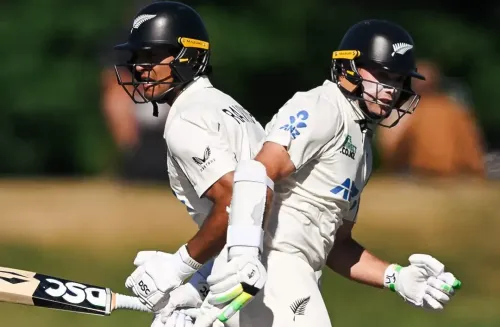
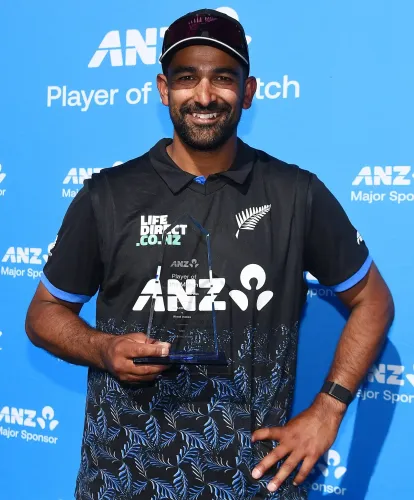
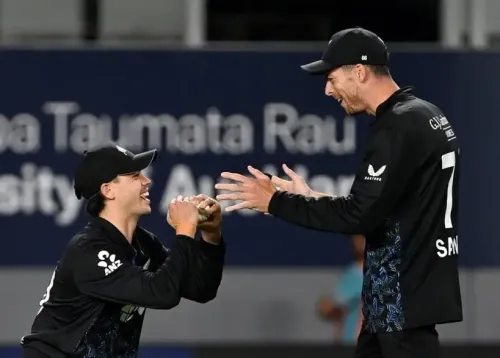
However, Bracewell and Smith mounted a commendable fightback. While Bracewell counterattacked, Smith played a more defensive role, and together they forged a 52-run partnership that brought New Zealand back into contention. Chase eventually ended the stand when Smith flicked a loose shot to short midwicket.
With the tail exposed, Bracewell went for his shots but his aggressive approach was cut short when he miscued a pull at 47, handing Shields his second wicket. Matt Henry soon fell to a bouncer from Roach for 8, and shortly after, Jacob Duffy was struck on the helmet by another bouncer. As the physio began a concussion check, the umpires deemed the light unplayable, leading to the end of the day’s play.
Only 70 overs were possible due to repeated rain interruptions and diminishing light. West Indies, however, let some pressure slip with 23 extras—a figure that could prove significant on a lively pitch.
Brief scores:
New Zealand 231/9 in 70 overs (Kane Williamson 52, Michael Bracewell 47, Tom Blundell 29; Ojay Shields 2-34, Justin Greaves 2-35, Kemar Roach 2-47) vs West Indies
Point of View
It is crucial to present a balanced narrative. While the West Indies seamers initially dominated with disciplined bowling, New Zealand's resilience through Bracewell and Smith showcases the unpredictable nature of cricket. This match serves as a reminder of the sport's thrilling dynamics, especially under challenging weather conditions. Our commitment lies in delivering accurate and engaging coverage.
NationPress
26 Sept 2026
Frequently Asked Questions
What was the key moment in the match?
The partnership between Michael Bracewell and Nathan Smith was crucial, as they added 52 runs for the seventh wicket, helping New Zealand recover from 148 for 6.
How did the weather affect play?
Rain interruptions significantly impacted the game, leading to a 90-minute delay and limiting the first session to just 10.3 overs.
Who were the standout bowlers for West Indies?
Ojay Shields and Justin Greaves both took two wickets each, effectively breaking the New Zealand batting order.
What was New Zealand's final score at stumps?
New Zealand ended the day at 231 for 9 after a remarkable fightback from a tough position.
Which New Zealand player scored a half-century?
Kane Williamson scored a half-century, contributing significantly to New Zealand's innings.