Bellingham equaliser row: Norway coach says ball hit cable in World Cup QF

Synopsis
Norway's coach insists 'everyone saw what happened' — that the ball struck a camera wire before Bellingham's equaliser changed the quarter-final. FIFA says there is no evidence. With replays appearing to contradict the official ruling, the incident has become one of the most contested moments of this World Cup.
Key Takeaways
Norway coach Stale Solbakken says the ball 'pretty clearly' hit an overhead cable before Jude Bellingham 's equaliser in the FIFA World Cup quarter-final on 12 July in Miami .
Goalkeeper Orjan Nyland 's goal kick appeared to strike a camera wire, causing the ball to drop sharply and confuse Norway's players.
FIFA stated there was 'no evidence' the ball touched the wire or changed direction, closing the door on a replay.
Under the rules, contact with an overhead cable should have stopped play and triggered a drop ball — but no stoppage was made.
Solbakken said Norway have no option but to accept the result, calling it 'bizarre' but 'part of football.'
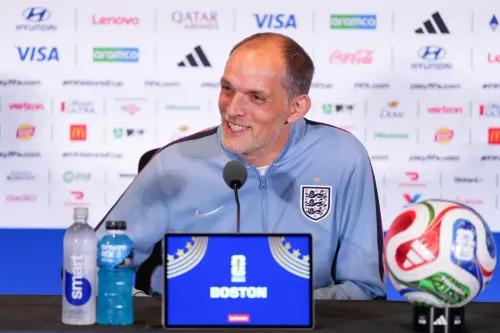
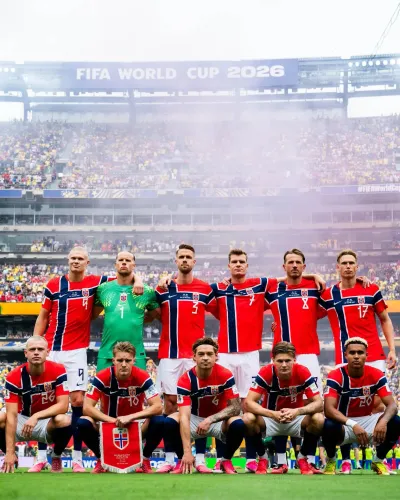
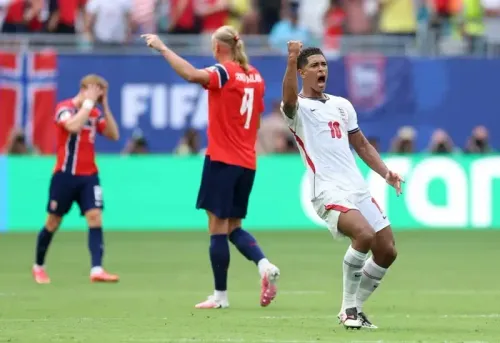
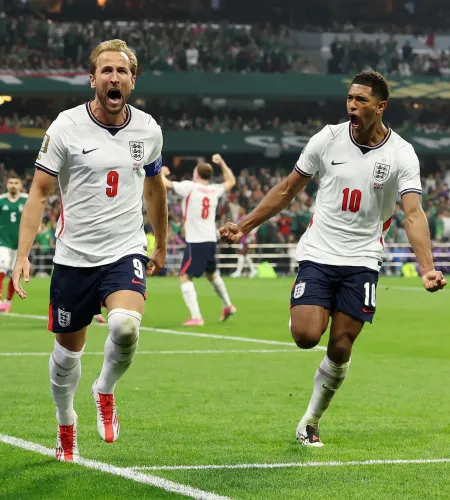
Norway head coach Stale Solbakken has broken his silence on the controversy surrounding Jude Bellingham's equaliser in the FIFA World Cup quarter-final against England, saying it is 'pretty clear' the ball struck an overhead cable before England launched the attack that led to the goal. The incident, which unfolded late in the first half in Miami on 12 July, has ignited a fierce debate over officiating standards at the tournament.
What Happened on the Pitch
Norway goalkeeper Orjan Nyland's goal kick appeared to strike a camera wire suspended above the field, sending the ball sharply downward and catching Norway's players off guard. England capitalised on the resulting confusion, surging forward quickly before Bellingham converted to level the score. Both Nyland and Solbakken protested to the referee on the spot, but their appeals were dismissed.
What the Coach Said
'He said that he didn't see it himself and that he didn't get any message that it actually happened,' Solbakken said, referring to the match referee. 'Since Fifa says that there was no touch, he can't do anything about it. But the ball fell down straight in front of the bench, so it did. Everyone saw what happened. I think it's pretty clear that it did. It was a strange thing.'
Despite his frustration, Solbakken struck a philosophical note. 'I can sit here and cry but I don't want to do that. We have done everything we could — the players have been phenomenal throughout the tournament. OK it was bizarre, but it's part of football and why it is the best sport in the world because things like that can happen. We have to accept it,' he said.
FIFA's Official Position
FIFA released a statement asserting there was 'no evidence that the ball touched the overhead wire and changed the movement of the ball.' The governing body's ruling effectively closed the door on any prospect of the match being replayed or the goal being rescinded. Under the applicable rules, had an official confirmed the ball contacted the wire, play would have been halted and a drop ball used to restart possession — an outcome that did not materialise.
Norway's Take on the Moment
Solbakken acknowledged the incident created confusion among his players at a critical juncture. 'It was unlucky for us. The ball fell straight down from the sky, so it takes this direction. It became a misunderstanding among our players, and it was a bad moment for us. We can't do anything about that. I don't think we will play the game again, so that's how it is,' he added. Notably, replays widely circulated after the match appeared to show the ball deflecting off the wire, deepening public scepticism of FIFA's conclusion. This is not the first time a cable or infrastructure element has interfered with play at a major tournament, but it is rare for the controversy to reach this scale at the quarter-final stage of a World Cup.
What Comes Next
With FIFA standing firm on its ruling, Norway have no formal recourse to challenge the result. The focus will now shift to whether football's global governing body revisits its overhead infrastructure protocols ahead of future tournaments, particularly as high-definition replays continue to surface evidence that contradicts the official position.
Point of View
There should be no scenario in which a ball striking stadium infrastructure goes undetected and uncorrected. The governing body's response has been to close ranks rather than acknowledge ambiguity, which will do little to reassure the global audience watching in high definition. The deeper question is not whether England deserved the goal, but whether FIFA's infrastructure and officiating protocols are fit for purpose at the sport's biggest stage.
NationPress
11 Oct 2026
Frequently Asked Questions
What is the cable controversy in the Norway vs England World Cup quarter-final?
During the quarter-final on 12 July in Miami, Norway goalkeeper Orjan Nyland's goal kick appeared to strike an overhead camera cable, causing the ball to drop suddenly. England seized on the confusion, and Jude Bellingham scored an equaliser. Norway protested but the goal stood.
What does FIFA say about the ball hitting the overhead wire?
FIFA issued a statement saying there was 'no evidence that the ball touched the overhead wire and changed the movement of the ball.' The ruling means the goal stands and no replay will be ordered.
What should have happened if the ball hit the cable?
Under football's rules, if the ball is confirmed to have struck an overhead obstruction, play must be stopped and restarted with a drop ball. Because no official confirmed contact, play continued and the goal was allowed.
What did Norway coach Stale Solbakken say about the incident?
Solbakken said it is 'pretty clear' the ball hit the cable, noting it 'fell down straight in front of the bench.' He quoted the referee as saying he did not see the contact and received no message about it. Despite his frustration, Solbakken said Norway must accept the outcome.
Will the match be replayed following the controversy?
No. FIFA's ruling that there is no evidence of cable contact means there is no basis for a replay under current regulations. Solbakken himself acknowledged: 'I don't think we will play the game again, so that's how it is.'