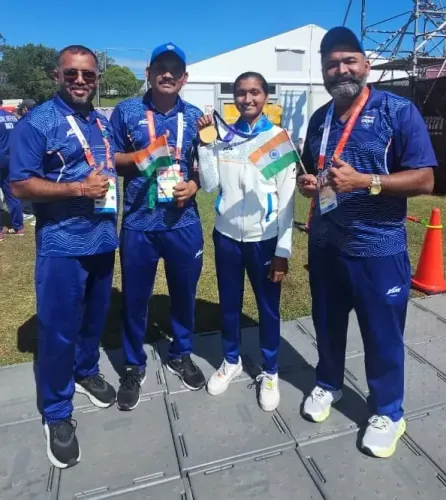
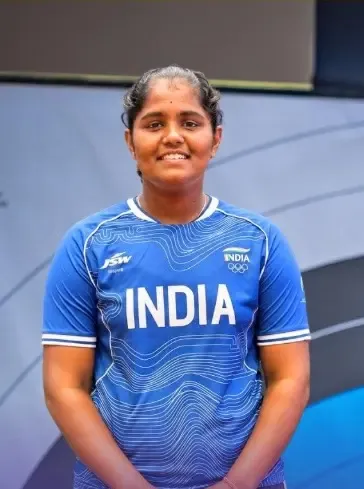
Kirti Sharma, farmer's daughter from Haryana, wins Asian Games archery gold
Synopsis
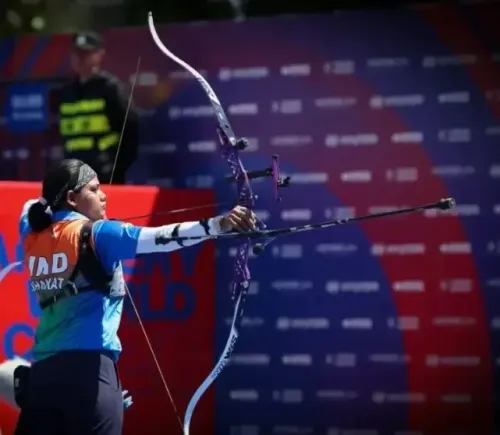
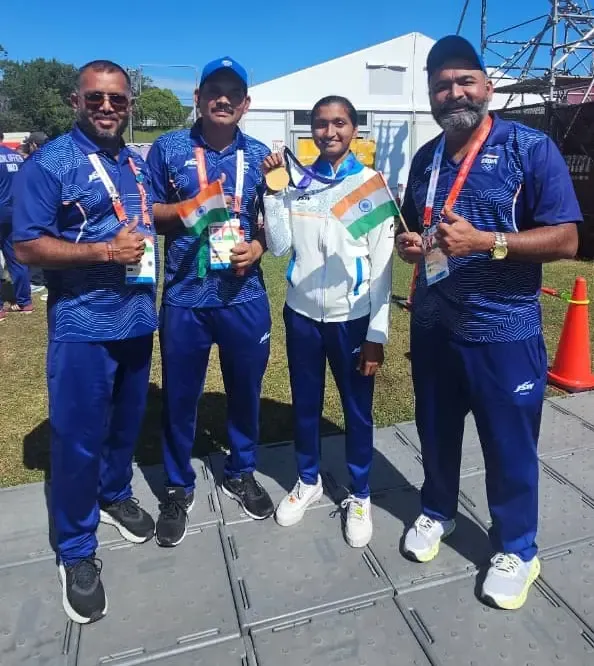
A 19-year-old from a Haryana farming village who once struggled to lift a heavy bow due to poor health, Kirti Sharma helped India end South Korea's 44-year stranglehold on women's recurve team gold at the Asian Games — in a 5-3 final that few predicted India would win.
Key Takeaways
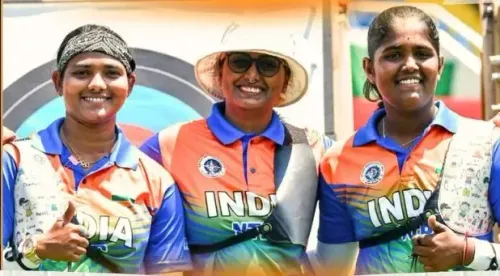
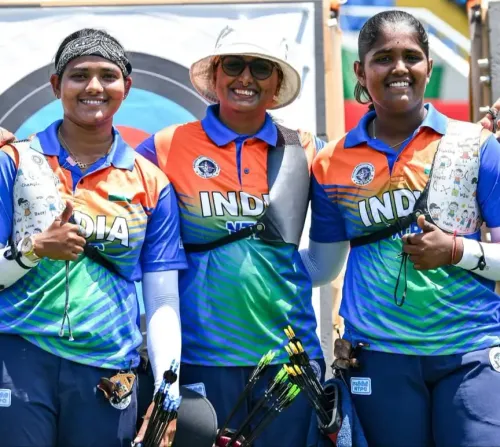
Kirti Sharma , Ankita Bhagat , and Kumkum Mohod won gold at the Asian Games 2026 women's recurve team event in Aichi-Nagoya .
India defeated South Korea 5-3 in the final at Okazaki Chuo Sogo Park , ending 44 years of South Korean dominance in the event.
Kirti, 19 , hails from the village of Ritauli in Haryana and was raised in a farming family.
She overcame childhood health issues and social pressure against women entering sport to reach the Asian Games podium.
Kirti credits her father Vijay Sharma , coach Uddham Singh , and the SAI Hazaribagh centre for her development over the past four years .
Indian archer Kirti Sharma, a 19-year-old from the village of Ritauli in rural Haryana, claimed an Asian Games gold medal at Aichi-Nagoya on 4 October 2026 as part of the Indian women's recurve team that stunned defending champions South Korea in the final. The victory ended South Korea's 44-year dominance in the women's recurve team event at the Asian Games.
Historic Win Over South Korea
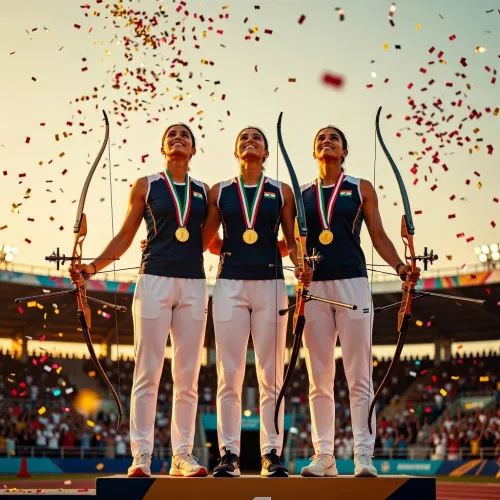
The Indian women's recurve trio of Kirti Sharma, Ankita Bhagat, and Kumkum Mohod defeated South Korea 5-3 in a tense final held at Okazaki Chuo Sogo Park. The result broke a domination that had stretched back 44 years, making it one of the most significant upsets in Asian Games archery history. India's women's recurve team had never previously toppled South Korea in the showpiece event.
A Battle Against the Odds
Kirti's path to the gold podium was far from straightforward. Born into a farming family in the patriarchal setting of rural Haryana, she faced scepticism about both her gender and her health from an early age. 'I was suffering from poor health since childhood. I had to listen to a lot of negative comments from various quarters doubting my ability to make it big in archery. Since I was not in good shape physically, initially I found it difficult to even lift bows with heavy poundage. But I was determined to do whatever it takes to prove my critics wrong,' Kirti said.
The doubts were not confined to her own abilities. Several people urged her father against allowing her to pursue sport because she was a girl, compounding the pressure on the family.
Father's Unwavering Support
Kirti credited her father, farmer Vijay Sharma, as the bedrock of her career. 'My father is a farmer. But he has always supported me and has taken care of all expenses related to my sports career despite financial constraints,' she said. She added that while many questioned both her health and her gender as disqualifiers, her father's belief never wavered — a factor she considers decisive in her reaching the Asian Games podium.
SAI Hazaribagh and Coach Uddham Singh
Kirti hones her skills at the Sports Authority of India (SAI) centre in Hazaribagh, where she has trained for the past four years. Her connection to the centre came through her coach, Uddham Singh, whom she had trained under at a private academy before following him to SAI upon his transfer. 'Since then, my career has improved by leaps and bounds. SAI and Uddham Singh sir are responsible for whatever I have achieved,' she said. She also trained at an academy started by Uddham Singh during her early years in the sport. Kirti stressed that the institutional support of SAI, combined with her coach's guidance and her family's backing, formed the triangle that delivered gold.
What This Victory Means
India's win is a landmark moment for the country's archery programme, signalling that the national pipeline — built through SAI centres and grassroots scouting — is capable of producing world-class talent from unlikely settings. For Haryana, a state with a long sporting tradition despite its social conservatism, Kirti's story adds another chapter in the growing narrative of women athletes breaking through structural barriers. The Asian Games gold is expected to sharpen the spotlight on funding and infrastructure for Indian archery ahead of the Olympic cycle.
Point of View
Which placed a girl from a Haryana farming village on the highest Asian Games podium. The 44-year South Korea stranglehold was not broken by luck; it was broken by sustained institutional investment in Hazaribagh that mainstream archery coverage rarely spotlights. The harder question is whether India's system can replicate this outcome consistently, or whether Kirti's story remains an exception celebrated precisely because the structural barriers she overcame — gender, poverty, poor health — remain largely intact for the next generation of archers from similar backgrounds.
NationPress
4 Oct 2026
Frequently Asked Questions
Who is Kirti Sharma, the Indian Asian Games archery gold medallist?
Kirti Sharma is a 19-year-old archer from Ritauli village in Haryana who trains at the SAI centre in Hazaribagh. She was part of the Indian women's recurve team that won gold at the 2026 Asian Games in Aichi-Nagoya by defeating South Korea 5-3 in the final.
How did India's women's recurve team perform at Asian Games 2026?
India's women's recurve team of Kirti Sharma, Ankita Bhagat, and Kumkum Mohod won the gold medal, defeating South Korea 5-3 in the final at Okazaki Chuo Sogo Park. The win ended South Korea's 44-year dominance in the event at the Asian Games.
What obstacles did Kirti Sharma overcome to reach the Asian Games?
Kirti battled chronic poor health from childhood that initially prevented her from lifting bows with heavy poundage, along with social pressure in rural Haryana against women pursuing sport. Despite doubts from multiple quarters, her father Vijay Sharma supported her career financially and emotionally.
Who is Kirti Sharma's coach, and where does she train?
Kirti's coach is Uddham Singh, under whom she first trained at a private academy before joining the SAI centre in Hazaribagh four years ago after Uddham Singh was transferred there. She credits SAI and her coach as the primary architects of her development as an elite archer.
Why is India's win over South Korea significant in archery?
South Korea had dominated the women's recurve team event at the Asian Games for 44 years before India's victory in 2026. The win is considered one of the biggest upsets in Asian Games archery history and a landmark for India's growing archery programme.