Pakistan Pulls Out of 2026 SAFF Women's Championship in India
Synopsis
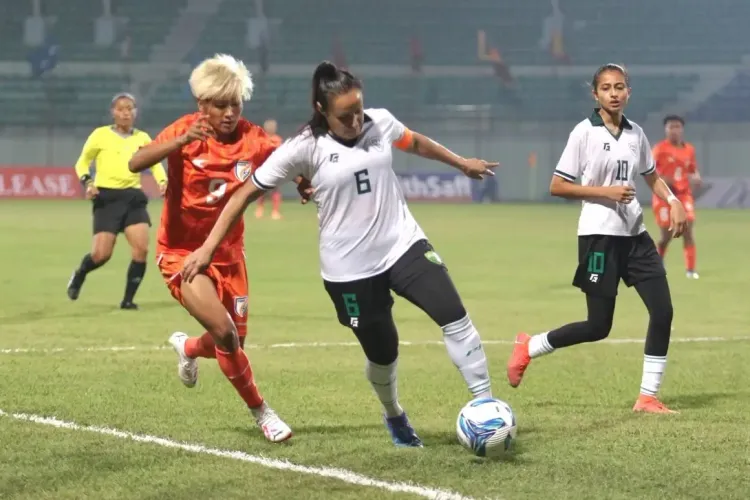
Pakistan has withdrawn from the 2026 SAFF Women's Championship in India, citing Indo-Pak political tensions. The PFF's decision reduces the Goa tournament to six teams and continues a troubling pattern of Pakistan boycotting Indian-hosted sporting events, leaving their women footballers deprived of vital international exposure.
Key Takeaways
Pakistan Football Federation (PFF) officially withdrew from the 2026 SAFF Women's Championship on April 23 , citing Indo-Pak political tensions.
The tournament will proceed with six teams — India, Bangladesh, Nepal, Sri Lanka, Bhutan , and Maldives — at PJN Stadium, Margao, Goa from May 25 to June 6 .
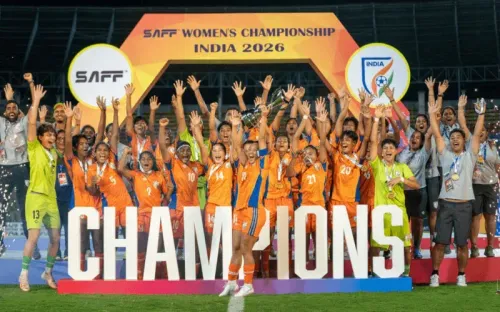
India are the record five-time SAFF Women's champions (2010, 2012, 2014, 2016, 2019); Bangladesh are back-to-back defending champions (2022, 2024).
This is Pakistan's latest in a series of boycotts of Indian-hosted events, following withdrawals from the junior Hockey World Cup in Tamil Nadu and the Asia Cup in Rajgir .
This marks the second time India hosts the SAFF Women's Championship and the second time Goa hosts a SAFF tournament , after the 1999 Men's Championship .
Pakistan's withdrawal significantly hampers the development of Pakistan women's football , depriving the team of vital international competitive exposure.
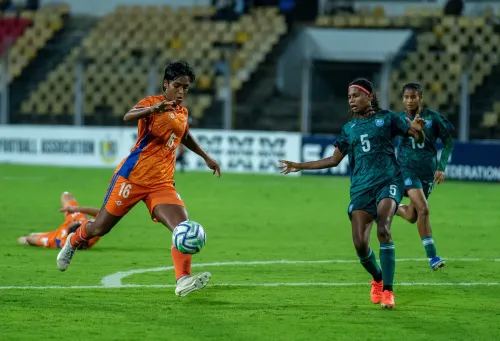
Pakistan has officially pulled out of the 2026 SAFF Women's Championship, set to be hosted by India in Goa from May 25 to June 6, the Pakistan Football Federation (PFF) confirmed on Thursday, April 23. The withdrawal, driven by escalating political tensions between the two nations, reduces the tournament field to six teams, dealing a significant blow to South Asian women's football.
Pakistan's Official Withdrawal and Its Immediate Impact
The PFF cited the deteriorating diplomatic relationship between India and Pakistan as the primary reason for the exit. The decision leaves the South Asian Football Federation (SAFF) with no option but to proceed with a slimmed-down six-nation format for the championship.
The tournament will be held at the iconic Pandit Jawaharlal Nehru (PJN) Stadium in Margao, Goa. This marks only the second time India will host the SAFF Women's Championship, the first being the 2016 edition in Siliguri, West Bengal, where the host nation clinched their fourth title.
Tournament Format and Official Draw
Following the official draw conducted at the SAFF Secretariat in Dhaka, the remaining six nations — India (hosts), Nepal, Sri Lanka, Bangladesh (defending champions), Bhutan, and Maldives — have been divided into two competitive groups.
Bangladesh arrive as back-to-back defending champions, having won the 2022 and 2024 editions. India, meanwhile, are the record five-time champions, having lifted the trophy in 2010, 2012, 2014, 2016, and 2019.
It will also be the second time Goa hosts a SAFF tournament. The 1999 SAFF Men's Championship was staged at the same PJN Stadium, where India defeated Bangladesh in the final to claim the title.
A Pattern of Pakistan Boycotting Indian Sporting Events
This withdrawal is not an isolated incident — it is part of a growing pattern of Pakistan stepping back from sports events held on Indian soil. In November last year, Pakistan withdrew from the men's junior Hockey World Cup hosted in Tamil Nadu. They also declined to send their senior men's hockey team to the Asia Cup held in Rajgir.
The recurring boycotts highlight how geopolitical friction between the two nations continues to cast a long shadow over regional sporting diplomacy. Critics argue that it is the athletes — particularly the Pakistan women's football team — who pay the heaviest price, denied crucial international exposure.
Blow to Pakistan Women's Football Development
The withdrawal is particularly damaging for the growth of Pakistan women's football. The national side had been expected to use the 2026 SAFF Women's Championship as a platform to announce their progress after years of administrative instability and limited competitive matches.
For a team that has historically struggled to gain regular international fixtures, missing a regional tournament of this stature sets back their development timeline considerably. The decision underscores how political decisions at the state level can derail grassroots sporting ambitions.
What to Expect at the 2026 SAFF Women's Championship
With the six-team lineup now confirmed, all eyes will be on whether India can reclaim the title on home soil after Bangladesh broke their dominance in the last two editions. The tournament runs from May 25 to June 6, 2025 at the PJN Stadium in Margao, Goa.
The broader question looming over South Asian football is whether SAFF will introduce structural mechanisms to prevent politically motivated withdrawals from disrupting future tournaments — a challenge that regional sports bodies have long grappled with.
Point of View
Pakistani athletes are being repeatedly sacrificed at the altar of geopolitical posturing. What makes this particularly troubling is that women's football in Pakistan is already fighting for institutional survival, and each missed tournament widens the development gap with regional peers. SAFF must now seriously consider contingency frameworks to insulate its competitions from bilateral political fallouts, or risk its credibility as a functional regional federation.
NationPress
24 Sept 2026
Frequently Asked Questions
Why did Pakistan withdraw from the 2026 SAFF Women's Championship?
Pakistan withdrew from the 2026 SAFF Women's Championship due to escalating political tensions between India and Pakistan. The Pakistan Football Federation (PFF) officially announced the decision on April 23, citing the worsening bilateral relationship as the reason.
Where is the 2026 SAFF Women's Championship being held?
The 2026 SAFF Women's Championship will be held at the Pandit Jawaharlal Nehru Stadium in Margao, Goa, from May 25 to June 6. This is only the second time India is hosting the tournament, after the 2016 edition in Siliguri, West Bengal.
How many teams are participating in the 2026 SAFF Women's Championship after Pakistan's withdrawal?
Six teams will participate following Pakistan's exit: India (hosts), Nepal, Sri Lanka, Bangladesh (defending champions), Bhutan, and Maldives. The teams have been divided into two groups following an official draw in Dhaka.
Who are the defending champions of the SAFF Women's Championship?
Bangladesh are the defending champions of the SAFF Women's Championship, having won back-to-back titles in 2022 and 2024. India remain the record five-time champions, having won in 2010, 2012, 2014, 2016, and 2019.
Has Pakistan boycotted other sports events in India before?
Yes, Pakistan has a recent pattern of boycotting Indian-hosted sporting events. They withdrew from the men's junior Hockey World Cup in Tamil Nadu in November last year and also did not send their senior men's hockey team to the Asia Cup in Rajgir.