Did Pakistan's Decision to Bowl First Against India Cost Them the Game?
Synopsis
In a critical analysis of the 2026 T20 World Cup match, former Indian cricketer Ravichandran Ashwin argues that Pakistan's choice to bowl first against India was a major blunder. He discusses crucial tactical errors and their impact on the game’s outcome, leaving fans questioning the team's strategy.
Key Takeaways
Toss decisions are crucial in T20 matches.
Chasing on challenging pitches can lead to pressure.
India's ability to handle pressure is superior.
Tactical errors can significantly influence match outcomes.
Strategic match-ups are vital for bowlers.
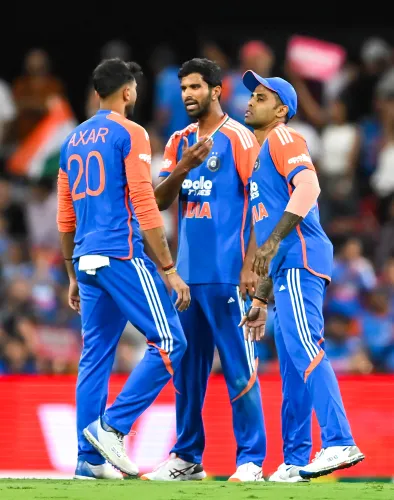
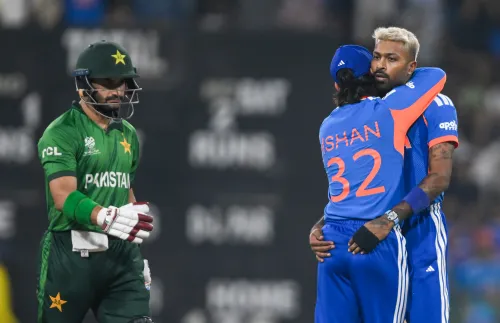
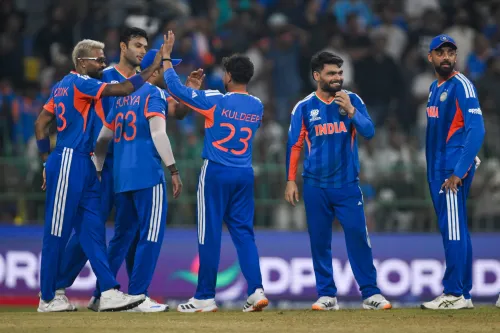
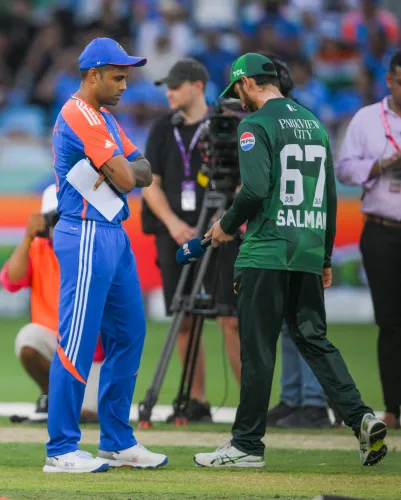
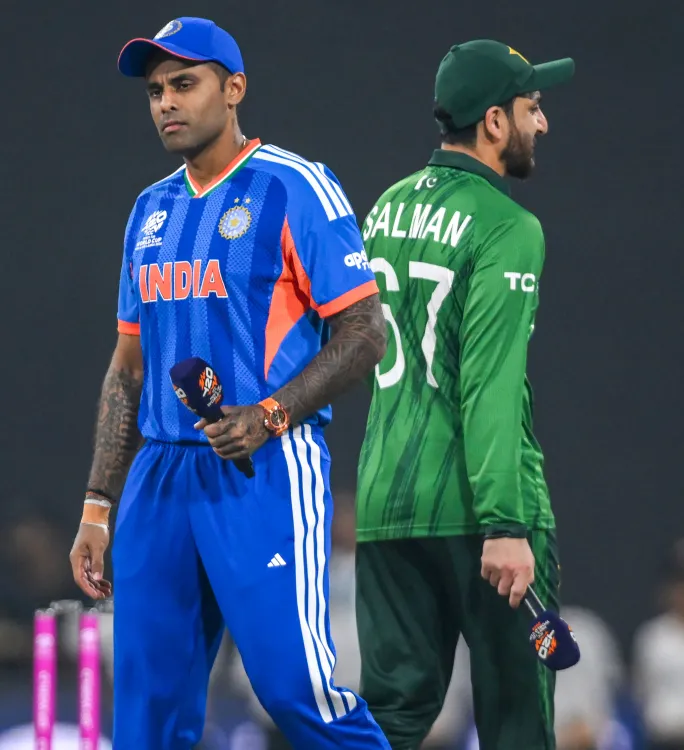
New Delhi, Feb 16 (NationPress) Former Indian spin-bowling all-rounder Ravichandran Ashwin was frank in his critique of Pakistan’s significant defeat to the Men in Blue during the 2026 T20 World Cup, emphasizing that the toss was the pivotal moment of the match.
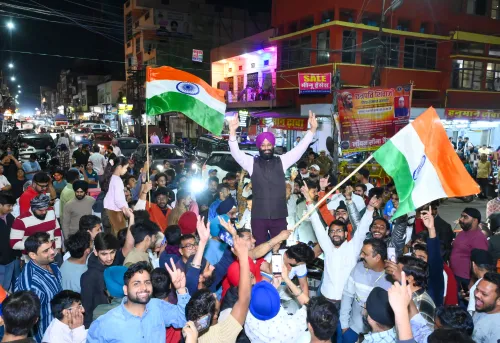
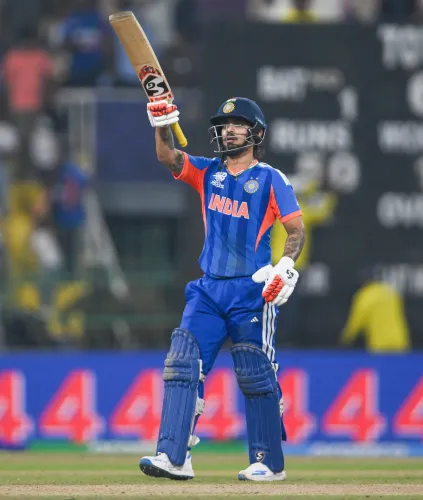
India achieved a remarkable victory by 61 runs in Colombo, and Ashwin opined that Pakistan's decision to bowl first after winning the toss gave India a substantial edge on a pitch known for its difficulty in chasing.
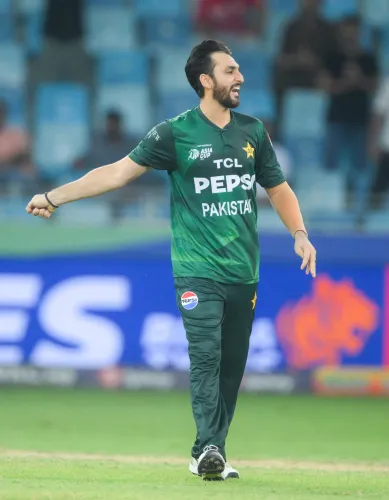
“When did they lose their way? Pakistan lost the match when they chose to bowl first after winning the toss because we observed that Australia struggled to reach 170 against Zimbabwe. In IPL matches, teams usually find it easy to chase 100 runs in the last 10 overs. However, that hasn’t been the case in this World Cup. At the Premadasa Stadium, chasing 100 in ten overs is almost impossible. India handles pressure significantly better than Pakistan. While I acknowledge that Pakistan has improved tactically under Salman Agha and Mike Hesson, bringing Shaheen Afridi into the attack after Agha’s first over was a poor decision,” Ashwin remarked on his YouTube channel Ash ki Baat.
Ashwin also critiqued Captain Salman Ali Agha's management of his bowlers during the powerplay, particularly questioning the decision to introduce Afridi early instead of opting for different match-ups.
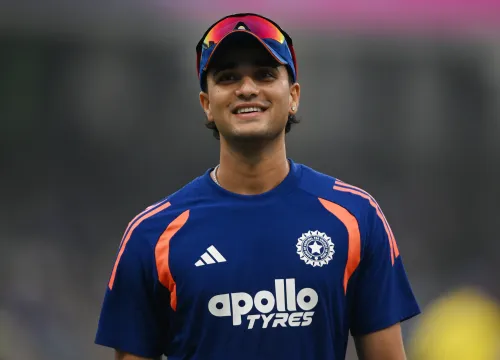
“You got Abhishek Sharma out, yet he was conceding runs everywhere. We highlighted in the preview how threatening Ishan Kishan is against left-arm seam. Cricketers should be informed, ‘This is your match-up.’ Data reveals much. When you say Ishan challenges left-arm seam, he indeed does. I’m not suggesting to avoid left-arm seam against him, but they should consider different tactics. If Shaheen was struggling, it would have been wise to see him bowl around the wicket to the left-hander. He didn’t adjust, and the second over should have featured Saim Ayub.
He further criticized Pakistan’s failure to regain momentum towards the end of the innings, pointing out how Afridi's return overs allowed India to accelerate.
“The fast bowler released the pressure. India was at 159 after 19 overs when Afridi was brought back, and he conceded runs again, giving away 16 runs in the final over,” he added.
India will wrap up their league-stage matches against the Netherlands in Ahmedabad on Wednesday before gearing up for the Super 8s.
Point of View
It is vital to remain impartial while delivering insights into the match. The performance of both teams must be scrutinized fairly, recognizing Pakistan's tactical evolution under new leadership, while also understanding the pressure cooker environment of the T20 World Cup, where decisions can lead to immediate consequences.
NationPress
24 Sept 2026
Frequently Asked Questions
What did Ashwin say about Pakistan's strategy?
Ashwin criticized Pakistan's decision to bowl first after winning the toss, suggesting it was a tactical error that gave India an advantage.
How did the toss impact the match?
The toss was pivotal as the pitch favored teams batting first, making it difficult for Pakistan to chase down India's total.
What tactical mistakes did Pakistan make?
Ashwin pointed out issues such as the early introduction of Shaheen Afridi and poor handling of bowlers during the powerplay.