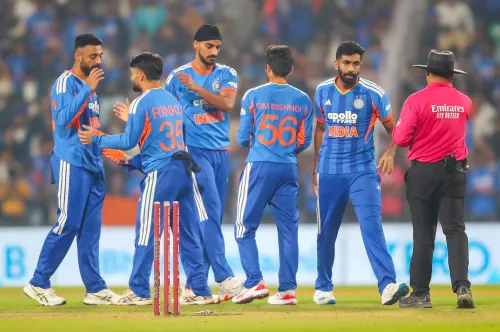
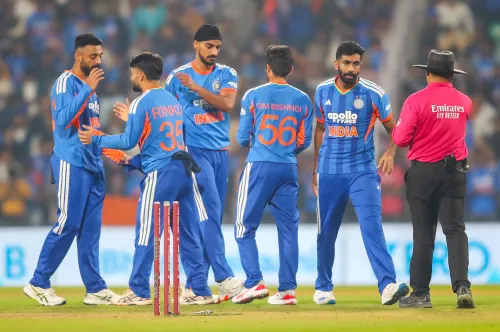
India T20I squad faces cold, dark New Zealand challenge, warns Pamment
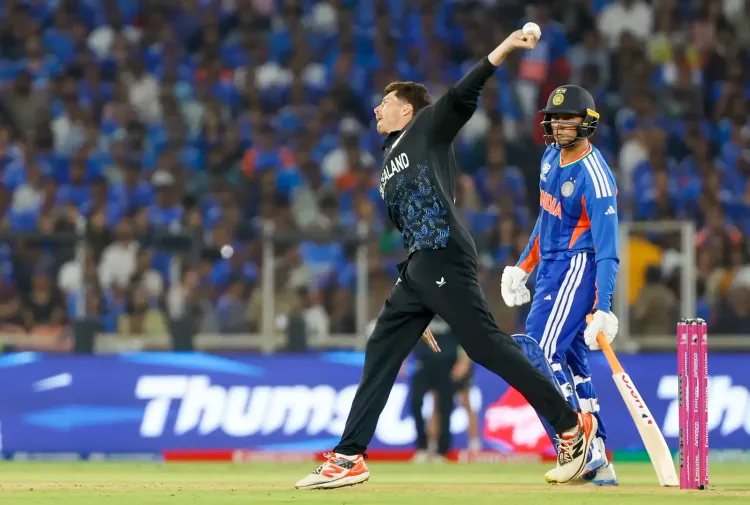
Synopsis
Ex-Mumbai Indians and Black Caps coach James Pamment has flagged a near-unprecedented challenge for India: T20Is starting at 8pm in near-darkness, 10°C temperatures and heavy dew — before New Zealand's own domestic season has even begun. With eight seamers in the hosts' squad and 85,000 tickets already sold, the series could be decided as much by adaptability as by talent.
Key Takeaways
James Pamment , former Mumbai Indians fielding coach, warned India will face 'a bit of a shock' in New Zealand's early-summer T20Is.
Matches are scheduled to start at 8pm New Zealand Standard Time , in near-darkness and around 10 degrees Celsius .
The series begins before New Zealand's domestic cricket season — described by Pamment as 'quite unique.' New Zealand have selected eight seamers in a squad of 16 , reflecting their confidence in seam-friendly conditions.
Fielding under unfamiliar lights, dew, and cold is identified as India's biggest vulnerability across four T20I venues , including Hagley Oval (two games).
More than 85,000 tickets have already been sold across the multi-format series.
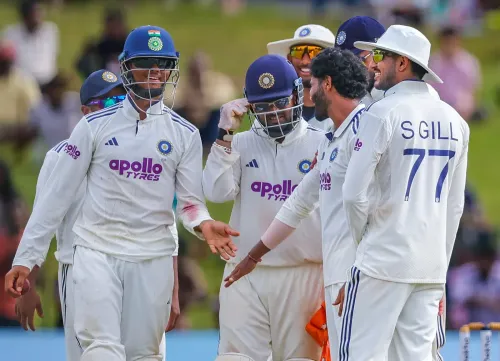
India's cricketers are set for 'a bit of a shock' when their T20I series against New Zealand gets underway, according to James Pamment, former fielding coach at Mumbai Indians and ex-assistant coach of the Black Caps. Pamment cited matches scheduled to begin at 8pm New Zealand Standard Time, near-darkness at most venues, and temperatures expected to hover around 10 degrees Celsius as conditions that could unsettle the visiting side.
Why the Timing Is Unprecedented
Pamment, who most recently served as fielding coach with the Bangladesh senior men's team, stressed that this tour is unusually early in the New Zealand cricketing calendar. 'It is very early in the New Zealand cricketing summer, so it's almost unparalleled, really,' he said. 'I can think of the top of my head over the last few years where international teams have been in New Zealand at this time of year, but certainly not India.'
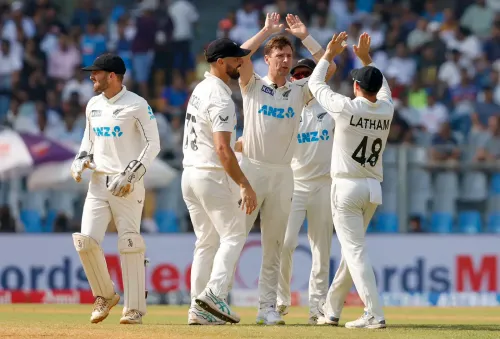
Remarkably, the series is set to begin even before New Zealand's domestic cricket season kicks off — a situation Pamment described as 'quite unique.' While many New Zealand players have been active in global T20 leagues and A-team tours, adapting to these specific conditions remains a challenge for both sides. The Black Caps have responded by selecting eight seamers in a squad of 16 for the T20Is, a signal, Pamment noted, of how they expect conditions to behave.
Seam Bowling to Dominate, Bat-Ball Contest Expected
Compared to the flat, batter-friendly surfaces on which India — the reigning T20 World Cup holders — recently played their drawn 2-2 series against the West Indies, New Zealand's pitches are likely to offer considerably more assistance to bowlers. 'While it will benefit some seam bowling, we know with the white ball that if you use it really wisely in the first three-four overs, you can gain a bit of traction in the game,' Pamment explained.
He added that conditions would still be 'conducive to shot making' if bowlers failed to capitalise early, but predicted a fairer contest between bat and ball compared to the 'pretty flat surfaces and very batsmen dominant' wickets India encountered against the West Indies at home.
Fielding Under Lights: India's Biggest Risk
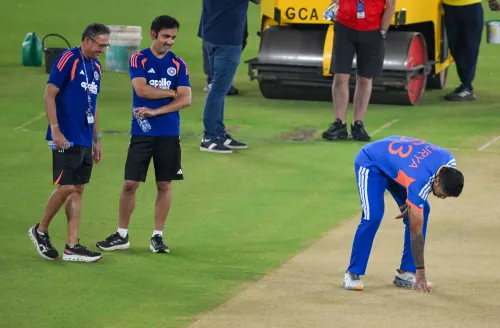
Pamment identified fielding as the area where India could be most vulnerable, pointing to the combination of dew, cold temperatures, slippery surfaces, and unfamiliar light towers across the four T20I venues — with Hagley Oval hosting two of the matches. 'There's nothing like spending time at a venue to get used to the conditions,' he said.
He drew on his experience at the Asia Cup in Dubai, where he witnessed Bangladesh struggle with the stadium's unusual lighting setup — lights positioned around the edge of the grandstand rather than on towers. 'They really struggled with the stadium there in Dubai,' he recalled. 'It's all about practising and getting used to sighting the ball nice and early and then backing yourself.'
He also noted that modern touring schedules leave little margin for acclimatisation. 'These days, these guys don't get much time to go and train at a venue, as pretty much you arrive two days out, train one day out, and then you play, and move on,' Pamment said, stressing the importance of players replicating match conditions in training, including high catches that 'leave and come back into the light towers.'
Massive Crowd Interest Despite Unusual Schedule
Despite the atypical timing, public appetite for the series has been striking, with more than 85,000 tickets already sold across the multi-format series. Pamment expressed optimism about the spectacle. 'It's going to be very well patronised, and let's just hope that the cricket is there to be entertained as well. Two fantastic teams, and we just need, obviously, the conditions to be conducive for them to showcase their skills,' he said.
With the series representing an almost unprecedented fixture in New Zealand's early-summer calendar, how India's players adapt to the cold, the dew, and the lights in those opening T20Is could well set the tone for the entire tour.
Point of View
And the touring schedule gives them almost no runway to adjust. The deeper question is whether the Board of Control for Cricket in India (BCCI) and team management will build meaningful acclimatisation windows into the itinerary, or treat arrival-to-play logistics as they do in more forgiving conditions. If fielding errors under those lights cost India a close T20I, the lack of preparation time will be hard to defend.
NationPress
21 Oct 2026
Frequently Asked Questions
What conditions will India face in the New Zealand T20I series?
India will play T20Is starting at 8pm New Zealand Standard Time, in near-darkness and temperatures around 10 degrees Celsius, with dew expected to affect both fielding and bowling. Former Mumbai Indians fielding coach James Pamment described the conditions as a potential 'shock' for the Indian players.
Why is this New Zealand tour considered unusual?
The series is starting before New Zealand's own domestic cricket season has begun, which Pamment called 'quite unique' and 'almost unparalleled' for international tours to New Zealand, particularly involving India.
Why have New Zealand picked eight seamers for the T20Is?
New Zealand selected eight seamers in a squad of 16 for the T20I series, reflecting their expectation that early-summer conditions — cold temperatures, dew, and green pitches — will heavily favour seam bowling.
Where is India's biggest vulnerability on this tour, according to Pamment?
Pamment identified fielding as India's greatest risk, citing the combination of slippery, dew-covered outfields, cold temperatures, and unfamiliar light towers at venues including Hagley Oval. He noted that tight touring schedules leave little time to acclimatise to venue-specific conditions.
How much ticket interest has the India-New Zealand series generated?
More than 85,000 tickets have already been sold across the multi-format series, reflecting strong public interest despite the unusually early timing in New Zealand's cricket calendar.