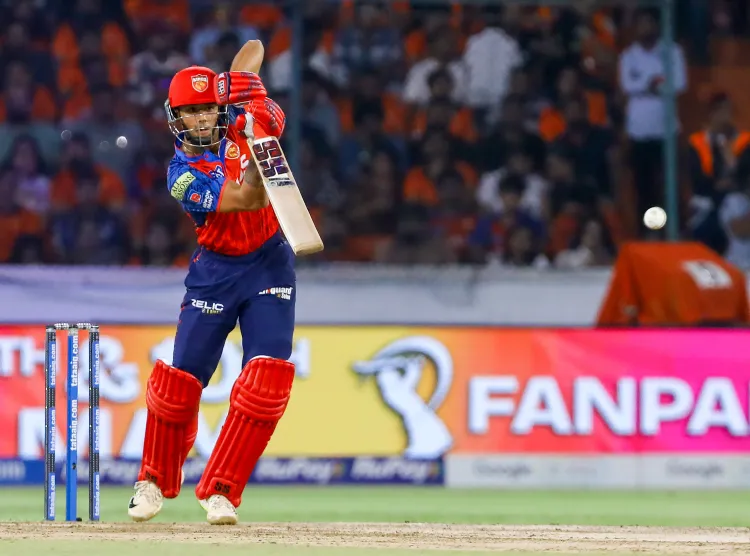
Ponting's heart-to-heart talk kept me grounded, says PBKS' Shedge at IPL 2026
Synopsis
Suryansh Shedge's IPL 2026 journey took a turn when Ricky Ponting pulled him aside mid-tournament and reframed benching as a test of mental discipline. The message: staying present and trusting preparation is harder than surrendering to frustration. With Punjab Kings fighting to reach the playoffs after three straight losses, Shedge's candid reflection on coaching, mindset, and the power of a single conversation offers a window into how elite cricket franchises build resilience.
Key Takeaways
Suryansh Shedge disclosed that Ricky Ponting had a pivotal heart-to-heart talk with him after the fourth or fifth IPL 2026 game when he was benched.
Ponting's core message: staying present and focused on preparation is harder than succumbing to negative thinking when sidelined.
Shedge works closely with Jatin Paranjape , whose mantra is "watch the ball, it will tell you what to do" and focus on the present day.
Punjab Kings has lost three consecutive matches but maintains a light, supportive dressing-room atmosphere under Ponting and captain Shreyas Iyer .
During his bench period, Shedge refined his footwork, worked against short-pitched bowling and spinners, and shifted from premeditated to instinctive batting.
The team has four games remaining to secure a playoff spot.
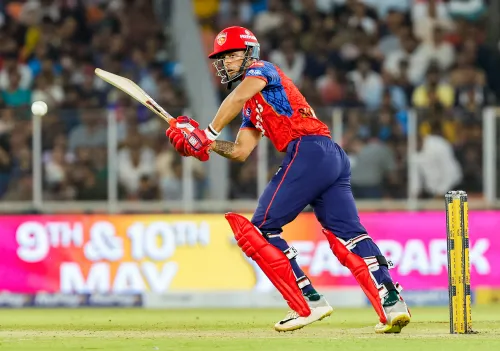
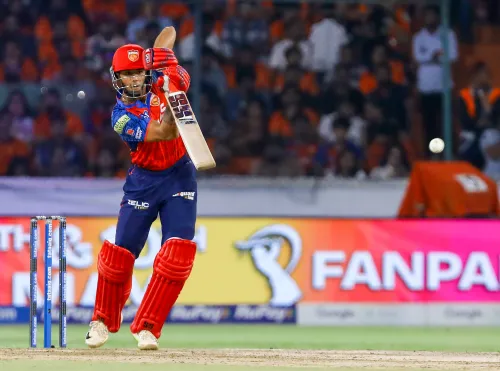
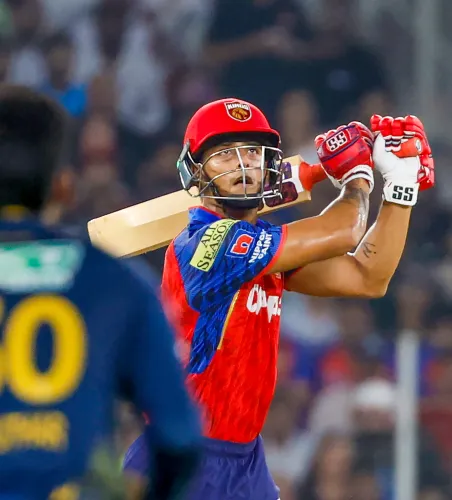
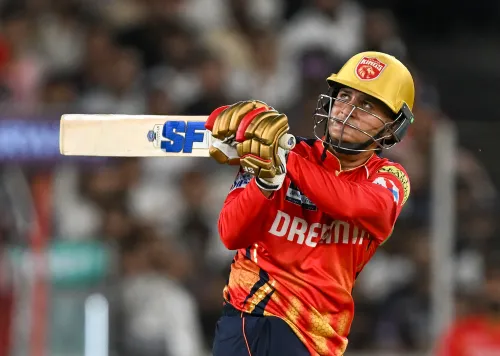
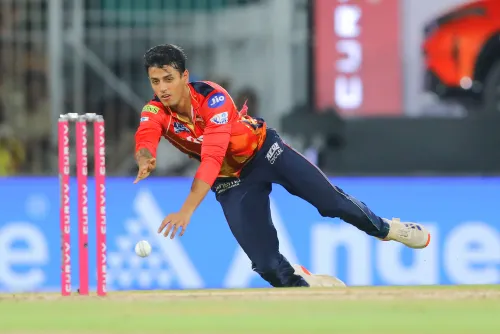
Suryansh Shedge, the Punjab Kings batting all-rounder, has revealed that head coach Ricky Ponting pulled him aside mid-tournament after a net session to address his frustration at being benched, offering counsel that staying present and focused on preparation was harder than surrendering to negative thoughts. Speaking in a virtual roundtable with reporters on May 9, Shedge unpacked his journey from the 2024-25 Syed Mushtaq Ali Trophy breakout to his current role at PBKS, the coaching wisdom from Jatin Paranjape, and the team's response to three consecutive defeats.
The mindset shift
Shedge credited his evolution to a fundamental change in approach rather than technical overhaul. "Once you're exposed to higher-level cricket, you learn new things," he said, noting that his role in the Mushtaq Ali Trophy was purely as a finisher, whereas IPL demands versatility across match situations. He emphasized that preparation outside the match translates into match performance, and that a mindset shift — not radical technique change — gives a player the edge.
Paranjape's mantra: watch the ball
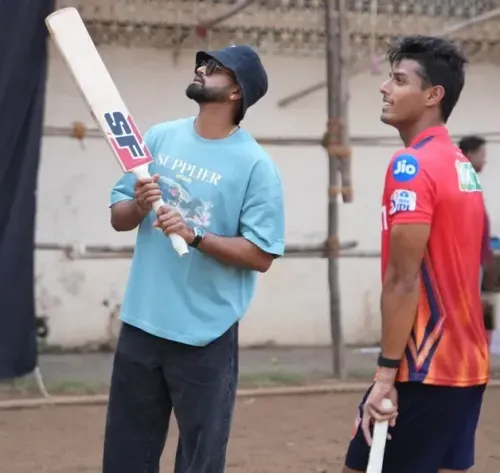
Working closely with Jatin Paranjape, Shedge has adopted a simple repetitive keyword: "Watch the ball, it will tell you what to do." This philosophy extends beyond batting into life management. Paranjape's core advice, Shedge explained, is to focus on the present day, avoid overthinking about tomorrow or yesterday, and maintain emotional lightness. "Be in the present and try to make the best of the day," Shedge recounted. "Whenever you're overthinking, come to me, talk about stuff. It can be about cricket, or life."
Ponting's pivotal intervention
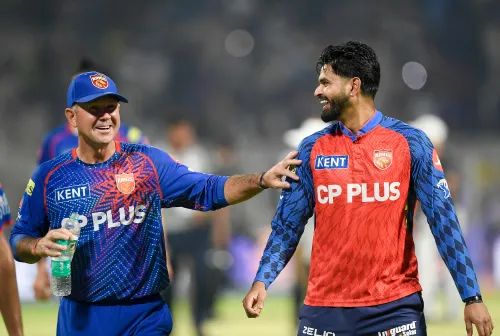
The turning point came after the fourth or fifth IPL game, when Ponting sensed Shedge's frustration during a net session and pulled him aside. Initially reluctant to admit his feelings, Shedge acknowledged that nights on the sidelines were difficult. Ponting responded with candour: "I can totally understand how you're feeling. Four or five players from our franchise can walk into any other franchise and play in the playing eleven. But it's easy to get bogged down and start thinking negatively. It's harder to stay in the present and keep focusing on your preparation so that if and when you get a chance, you're turned on and you're ready to give it your all." Shedge called it a "heart-to-heart talk" that reinforced his respect for the legendary coach.
Handling pressure and crowd noise
On staying calm in high-stakes situations — such as needing 15 runs off the final over — Shedge stressed that external factors like crowd noise and opposition sentiment are beyond his control. What matters is his batting, attitude, and commitment to the team. "Part of becoming a professional cricketer is how you soak up that pressure," he said. "That only happens when you're happy with how you've prepared."
Addressing fielding lapses
PBKS suffered fielding errors in their match against Sunrisers Hyderabad, but Shedge framed the setback as temporary. "Fielding lapses can happen to the best of us," he noted, adding that the team's focus is now on strategies and practice drills moving forward. With four games remaining before the playoffs, he expressed confidence that the group will bounce back stronger through collective backing and open communication.
The dressing room mood after three straight losses
PBKS has lost three consecutive matches and faces playoff qualification pressure. However, Shedge underscored that the team's preparation and atmosphere — kept deliberately light and happy since Ponting and captain Shreyas Iyer took charge last year — remain intact. The team won six matches with the same approach, he noted, and blamed-game talk is counterproductive. "Right now, we need to stick together as a team," he said. "That is what will help us."
Technical work during the bench period
Shedge revealed that while benched, he refined his initial movement to generate quicker footwork, worked extensively against short-pitched bowling and spinners, and returned to fundamentals — watching the ball and playing instinctively rather than premeditated shots. "That one shift which I made was being instinctive and not premeditative — I think that has helped me," he explained. He spent 30 minutes in the nets daily focusing purely on ball-watching without overthinking, a discipline he credits with sharpening his game awareness.
Point of View
The most valuable coaching moment was about patience. Punjab Kings' three-game skid raises questions about whether the team's composition — loaded with talent but seemingly unbalanced — can execute under pressure. Ponting's pep talk is motivational theatre; what matters is whether it translates into wins in the next four games.
NationPress
23 Sept 2026
Frequently Asked Questions
What did Ricky Ponting tell Suryansh Shedge during their mid-tournament conversation?
Ponting pulled Shedge aside after a net session and acknowledged his frustration at being benched, then reframed the challenge: staying present and trusting preparation is harder than surrendering to negative thinking. Ponting noted that several Punjab Kings players could play for rival franchises, but the mental discipline required to stay ready and positive while benched is the true test of professionalism.
How has Jatin Paranjape influenced Shedge's approach to batting?
Paranjape's core philosophy is to watch the ball and let it guide the shot selection, keeping things simple. His broader advice extends to life: focus on the present day, avoid overthinking about tomorrow or yesterday, and maintain emotional lightness. Shedge repeats these keywords during practice and matches to stay grounded.
What technical work did Shedge do while benched in IPL 2026?
Shedge refined his initial movement for quicker footwork, worked extensively against short-pitched bowling and spinners, and returned to fundamentals. He spent 30 minutes daily in the nets watching the ball and playing instinctively rather than premeditated shots, a shift he credits with improving his game awareness.
How are Punjab Kings responding to their three consecutive losses?
Despite the losses, the team maintains a light, supportive dressing-room atmosphere established under Ricky Ponting and captain Shreyas Iyer. Shedge stressed that the team will stick together, avoid blame-game talk, and rely on the same preparation that led to six wins earlier in the tournament. With four games remaining before the playoffs, the focus is on execution and collective backing.
What role did Shreyas Iyer play in Shedge's development?
As captain, Shreyas Iyer has fostered a healthy team environment where constructive criticism is welcome. Shedge noted that he and Iyer often discuss each other's batting and share insights, creating a culture where open conversation strengthens individual and team performance.