KL Rahul: Rain threat forced India to chase wickets fast in Galle Test win
Synopsis
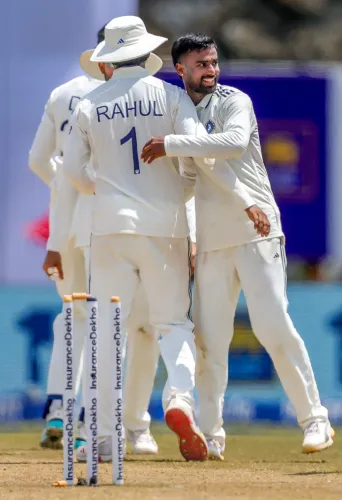
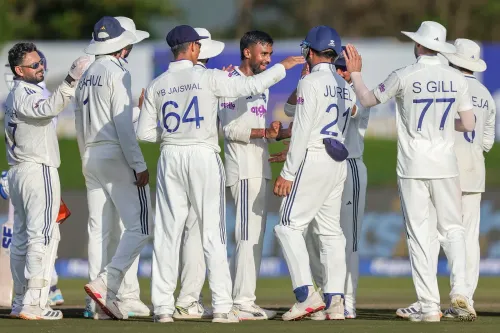
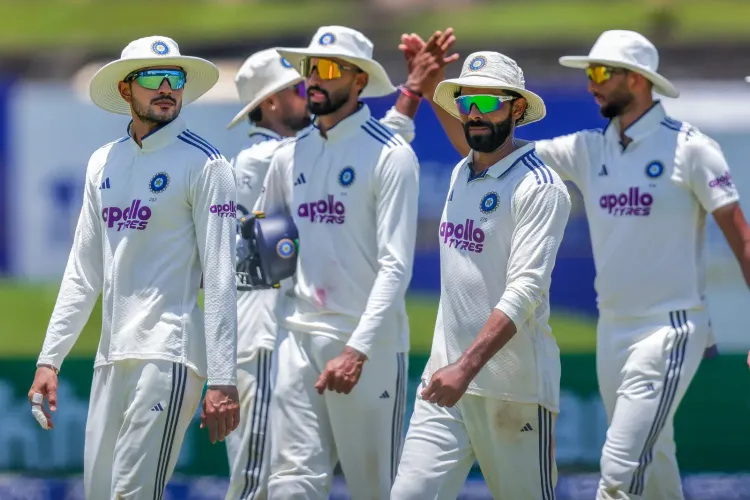
Rain clouds hovering over Galle didn't just threaten to wash out Day 5 — they shaped India's entire bowling strategy. KL Rahul's candid admission that India were 'watching the clouds' while hunting wickets adds a tactical layer to what looked like a straightforward 165-run win, and Manav Suthar's four-in-ten-balls burst after lunch made sure the weather never got the chance to intervene.
Key Takeaways
India beat Sri Lanka by 165 runs in the first Test at Galle International Stadium on 19 August .
Sri Lanka were bowled out for 206 chasing 372 , collapsing in 77.4 overs .
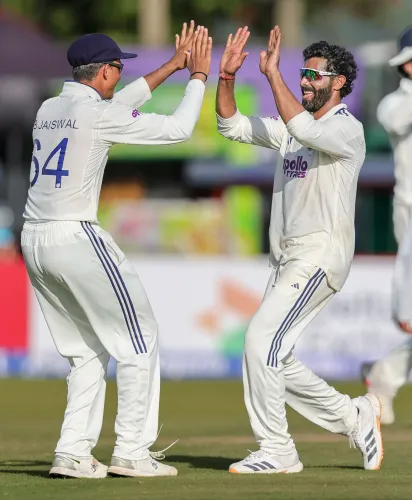
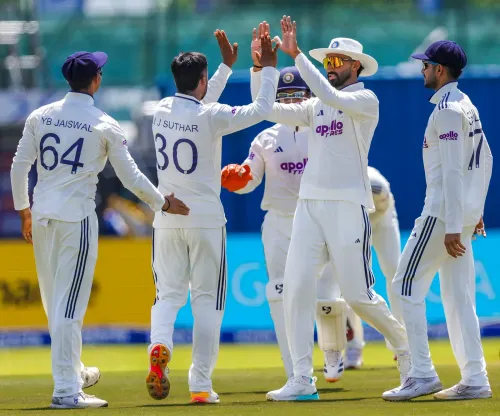
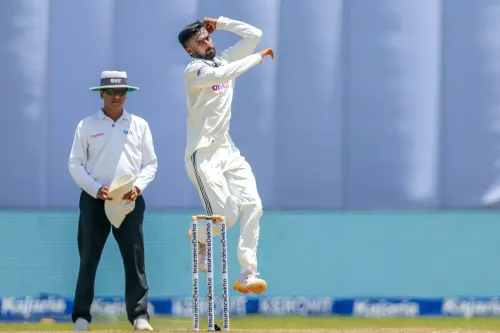
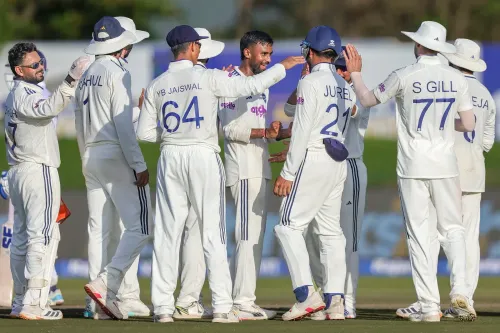
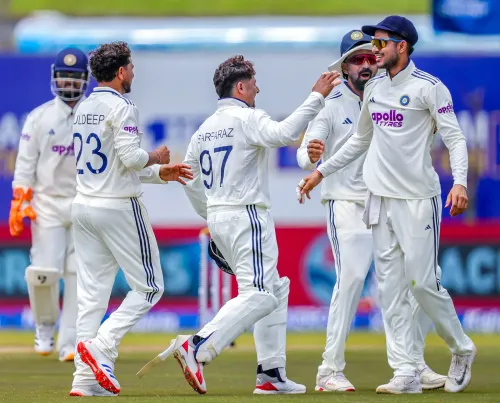
Left-arm spinner Manav Suthar took 4 wickets in 10 balls after lunch, finishing with 6 for 55 .
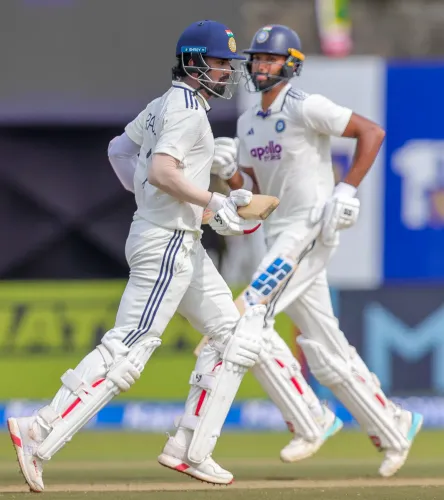
Vice-captain KL Rahul confirmed the rain threat drove India's aggressive wicket-taking approach on Day 5.
Sri Lanka's Sonal Dinusha scored a century and an 80 across both innings, standing out on a challenging surface.
The post-match presentation was moved indoors after a downpour arrived immediately after the final wicket fell.
Vice-captain KL Rahul revealed that the looming threat of rain dictated India's aggressive bowling strategy on Day 5 of the first Test against Sri Lanka at the Galle International Stadium, as the visitors sealed a clinical 165-run victory on Wednesday, 19 August. Chasing a target of 372, Sri Lanka were bowled out for 206 in 77.4 overs, handing India a commanding series-opening win.
Rain Clouds Shaped India's Tactics
'Just relieved, honestly! We kept looking at the cloud upstairs and we knew there was one big shower coming, so we didn't want to delay the game. We were trying to get the wickets as quickly as we could,' Rahul told broadcasters after the match. The downpour arrived almost immediately after the final wicket fell, forcing the post-match presentation ceremony to be moved indoors — confirming just how close India came to a rain interruption.
Manav Suthar's Match-Winning Burst
Young left-arm spinner Manav Suthar was the architect of Sri Lanka's collapse, claiming four wickets in ten balls after lunch to finish with figures of 6 for 55. The rapid lower-order implosion ended what had been a stubborn resistance from the hosts. Rahul acknowledged that breaking a key partnership was the turning point: 'Once we broke that partnership, we felt like we were right back in the game and we could, once we got into their tail, we knew that we could get the wickets early.'
A Pitch That Rewarded Commitment
Rahul was generous in his praise for the Galle International Stadium ground staff, crediting them for producing a surface that offered a genuine contest across all five days. He singled out Sri Lanka's Sonal Dinusha, who scored a century and an 80 across both innings, as an example of a batter who thrived by committing to a clear game plan against spin. 'People who are really committed to their game plan could score runs as well. So that's what you want to see in Test matches,' Rahul said.
The Deciding Factor: Early Balls
Reflecting on why few batters across either side converted starts into big scores, Rahul pointed to the critical opening phase of each innings. 'Batters who really committed to their plans or had a plan as to how they're going to play spin or fast bowling stood a chance,' he explained. He noted that most dismissals came within the first 15–20 balls, and that surviving that period with a clear strategy was the difference between a solid contribution and an early exit.
Patience Before the New Ball
Rahul also shed light on India's bowling plan during the stubborn partnership between Sonal Dinusha and Keshara Nuwantha, saying the team remained disciplined and trusted the pitch to do its work. 'We just had to be patient and just keep putting the ball in the areas, and the wicket, like I said, there was some help in it. And once we got a wicket or once we broke a partnership, then we knew we could get two or three together,' he said. India had identified the second new ball as a potential accelerant if wickets did not come earlier, but the pitch eventually rewarded their persistence before that was needed.
With the series opener secured, India will look to carry this momentum into the second Test as they bid for a series win on Sri Lankan soil.
Point of View
Not a reflection of Sri Lanka simply caving. What stands out is Manav Suthar's emergence: four wickets in ten balls from a young left-arm spinner on a fifth-day Galle surface is a serious audition for a regular Test berth. The broader takeaway is that India's bowling depth is now deep enough to absorb conditions and still find match-winners, which bodes well for the series ahead.
NationPress
3 Oct 2026
Frequently Asked Questions
Why did India bowl so aggressively on Day 5 of the Galle Test?
Vice-captain KL Rahul said the threat of rain forced India to chase wickets as quickly as possible, as the team was aware a heavy shower was imminent. The downpour arrived almost immediately after the final wicket fell, confirming how tight the window was.
What were Manav Suthar's figures in the Galle Test?
Left-arm spinner Manav Suthar finished with figures of 6 for 55, including a devastating burst of four wickets in ten balls after lunch on Day 5 that triggered Sri Lanka's lower-order collapse.
By how many runs did India win the first Test against Sri Lanka in Galle?
India won by 165 runs. Sri Lanka were bowled out for 206 while chasing a target of 372, with the match concluding on Day 5 at the Galle International Stadium on 19 August.
Who was the standout batter for Sri Lanka in the Galle Test?
Sonal Dinusha was Sri Lanka's most impressive batter, scoring a century in one innings and 80 in the other. KL Rahul specifically praised his clear game plan of sweeping spinners and using his feet.
What did KL Rahul say about the Galle pitch?
Rahul praised the pitch as a 'great Test match wicket' that offered something for both spinners and fast bowlers while still rewarding batters who committed to a game plan. He noted that most dismissals across both teams came within the first 15–20 balls of a batter's innings.