Santner admits New Zealand failed to adapt to Eden Park bounce in first ODI loss to India
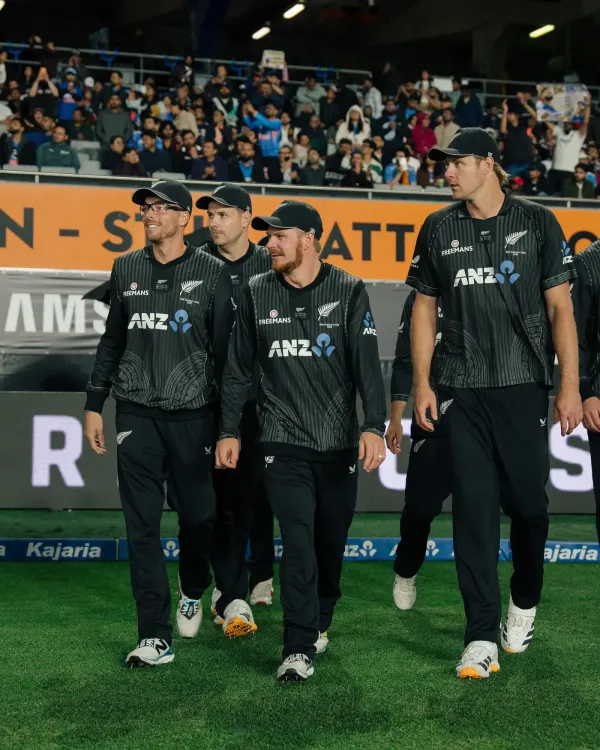
Synopsis
New Zealand were bowled out for 185 on their own patch, with Santner openly admitting the side misjudged Eden Park's pace and bounce. India's seamers — Arshdeep, Brar and Kamboj — exploited the surface clinically, while Kohli's 74 off 51 made the chase look straightforward. India lead 1-0 in the five-match series.
Key Takeaways
India won the first ODI at Eden Park, Auckland to take a 1-0 lead in the five-match series.
New Zealand were bowled out for 185 , struggling with the extra pace and bounce of the surface.
Arshdeep Singh took four wickets ; Gurnoor Brar claimed three and Anshul Kamboj returned 2-22 .
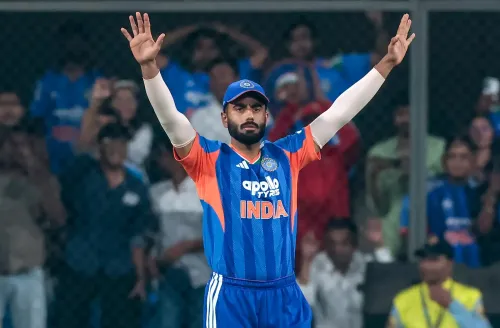
Virat Kohli scored 74 off 51 balls to anchor India's chase; Jacob Duffy took three wickets for New Zealand in reply.
Captain Mitchell Santner admitted New Zealand ‘didn't adapt as quickly as we could’ to the conditions.
The second ODI takes place in Wellington , where New Zealand will look to level the series.
New Zealand captain Mitchell Santner conceded on 4 November 2026 that his side did not adjust quickly enough to the pace and bounce at Eden Park, Auckland, after the hosts were bowled out for 185 in the first ODI against India. The defeat handed India a 1-0 lead in the five-match series, with Santner acknowledging the visitors read the conditions better.
India's pace attack dismantles New Zealand batting
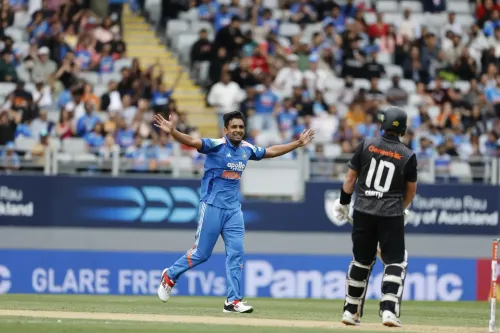
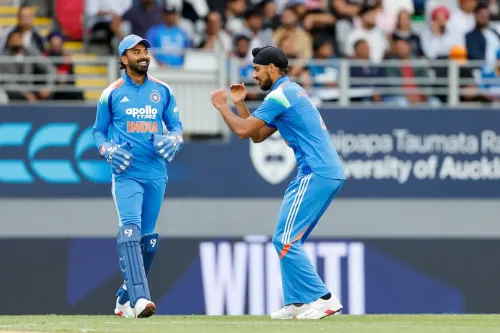
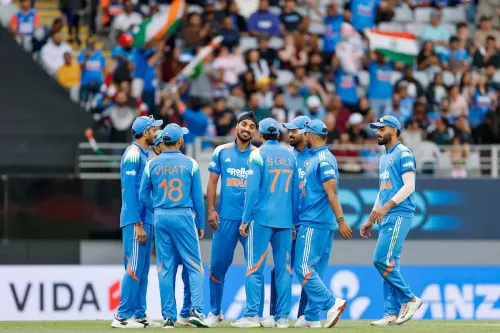
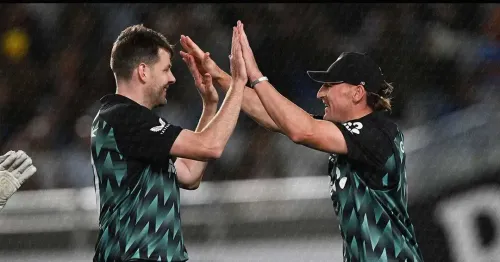
Arshdeep Singh was the standout performer with four wickets, while Gurnoor Brar claimed three and Anshul Kamboj returned figures of 2-22 to collectively restrict New Zealand to a below-par total. The hosts' batters found the extra bounce difficult to negotiate, with India's disciplined pace bowling repeatedly exploiting the surface.
Santner was candid about his side's inability to recalibrate under pressure. “Yeah, I think the pitch probably bounced and, you know, it was probably a little bit faster than we kind of expected at Eden Park. I think we probably didn't adapt as quickly as we could. And with some good bowling from India as well,” he said after the game.
How India used the conditions differently
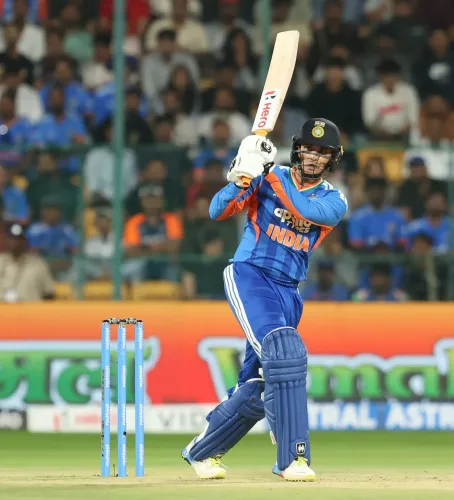
The New Zealand skipper pointed to the contrast in approach between the two sides when facing the short ball. He noted that India's batters, particularly Shreyas Iyer, were more adept at working the bounce fine rather than fighting it, and that rain interruptions during the chase further eased conditions for the visitors.
“When you try to fight the bounce at Eden Park, it can be quite hard. I think the way they kind of used it a little bit more, and Shreyas was trying to go more fine with the shorter balls. And yeah, obviously bounced a lot, and after the rain it kind of skidded on nicely. So yeah, a few short balls out there,” Santner added.
Kohli's 74 seals India's chase despite late New Zealand fightback
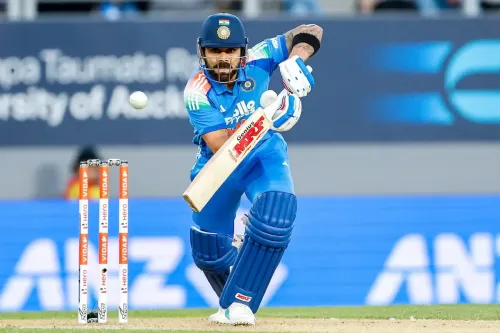
Virat Kohli's 74 off 51 balls gave India firm control of the chase from the outset, putting the target of 185 well within reach. New Zealand did find some resistance through their pace unit, reducing India to 143/5 at one stage, with Jacob Duffy taking three wickets. Santner credited his fast bowlers for refusing to capitulate after India's strong start.
“Yeah, very happy. It was easy for us to kind of roll over there after the start they got. So, credit to the fast bowlers to keep backing it up. So yeah, I think we found some good stuff at the end of the game there, and we can kind of go on to Wellington,” he said.
What New Zealand must fix ahead of Wellington
This is the opening match of a five-ODI series, leaving New Zealand considerable room to recover, but the batting fragility on home soil — bowled out for under 200 — raises immediate questions. Notably, Eden Park's pace-friendly surface has historically posed challenges for home batters when opposition seamers are on song. Santner suggested the lessons learnt from this surface will travel with the squad to Wellington, where conditions are expected to be different.
India will aim to extend their winning momentum in the second ODI in Wellington, while New Zealand must address their batting approach against high-quality pace if they are to level the series.
Point of View
But it also exposes a deeper concern: New Zealand were bowled out for 185 on their own ground, failing to read a surface they play on regularly. India's seamers — a combination of experience in Arshdeep and emerging talent in Brar and Kamboj — executed a blueprint that targeted the bounce consistently, something the hosts should have anticipated. The more telling detail is how India's batters, specifically Kohli and Iyer, adjusted to the same surface that undid New Zealand's top order. If the batting frailty persists in Wellington, a 1-0 deficit could become a steeper hole than a five-match series should allow.
NationPress
4 Nov 2026
Frequently Asked Questions
What happened in the first ODI between New Zealand and India at Eden Park?
India beat New Zealand in the first ODI at Eden Park, Auckland on 4 November 2026, taking a 1-0 lead in the five-match series. New Zealand were bowled out for 185, with India's pace attack — led by Arshdeep Singh's four wickets — proving too disciplined for the hosts.
Why did New Zealand struggle to bat at Eden Park?
New Zealand captain Mitchell Santner admitted his side underestimated the pace and bounce of the Eden Park surface and did not adjust their batting approach quickly enough. India's disciplined short-ball strategy further compounded the hosts' difficulties.
Who were the top performers for India in the first ODI?
Arshdeep Singh claimed four wickets, Gurnoor Brar took three and Anshul Kamboj returned figures of 2-22 with the ball. Virat Kohli starred with the bat, scoring 74 off 51 balls to anchor India's chase of 185.
What positives did Santner take from the first ODI despite the defeat?
Santner credited New Zealand's fast bowlers for refusing to give up after India's strong start, with Jacob Duffy taking three wickets and reducing India to 143/5. He said the squad found 'some good stuff at the end' that they could carry into the second ODI in Wellington.
When and where is the second ODI between New Zealand and India?
The second ODI takes place in Wellington, where New Zealand will look to level the five-match series at 1-1. No specific date has been confirmed in available reports, but it follows directly after the first match in Auckland.