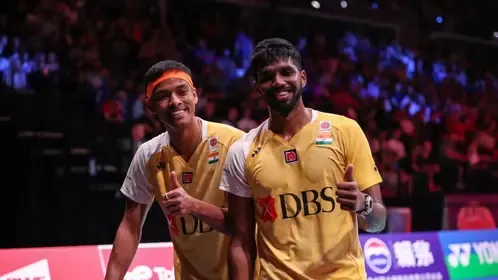
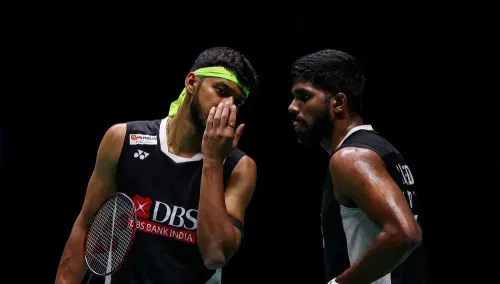
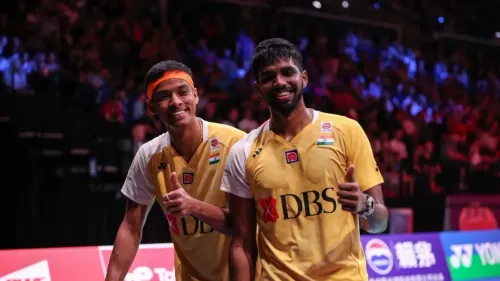
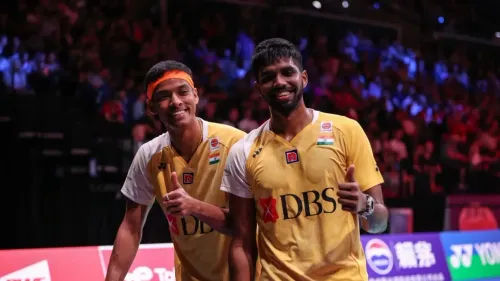
Satwik-Chirag skip Malaysia Masters after Thailand Open final run
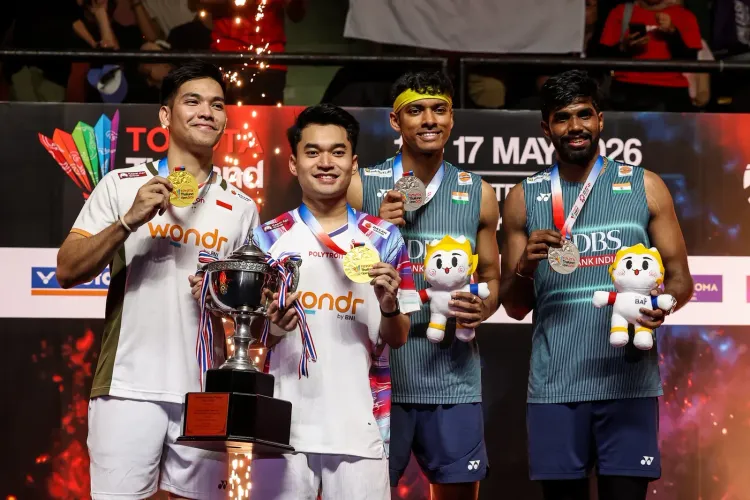
Synopsis
Satwik and Chirag are skipping Malaysia Masters — not as a retreat, but as a calculated reset. After saving four championship points in a frantic Thailand Open final and losing 21-12, 25-23 to Indonesia's Carnando-Marthin, the pair are talking openly about a confidence deficit that once made them 90% sure on court. The Thomas Cup, they say, may have turned the tide.
Key Takeaways
Satwiksairaj Rankireddy and Chirag Shetty have withdrawn from the Malaysia Masters to manage their schedule.
The pair lost the Thailand Open final 21-12, 25-23 to Indonesia's Leo Rolly Carnando and Daniel Marthin at Nimibutr Stadium .
They saved four championship points in the second game before narrowly falling short.
Satwik and Chirag will next compete at the Singapore , Indonesia , and Australia legs of the tour.
Both players cited the Thomas Cup as a turning point in rebuilding confidence after a difficult stretch.
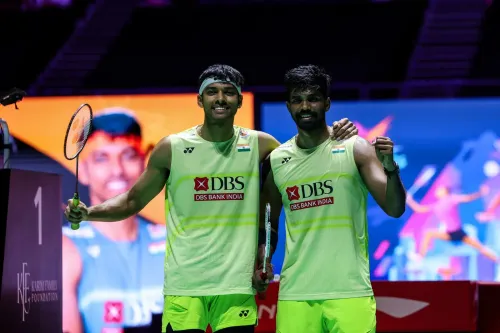
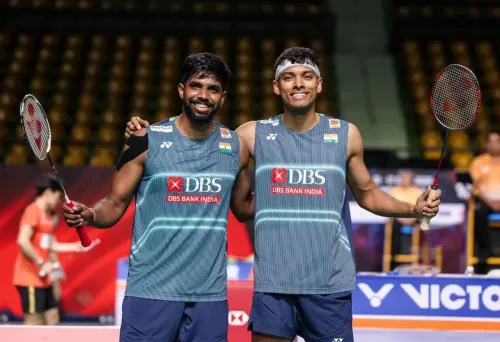
Satwiksairaj Rankireddy and Chirag Shetty, India's top men's doubles pair, have confirmed they will skip the Malaysia Masters as part of a deliberate schedule management strategy following their runners-up finish at the Thailand Open in Patumwan on Sunday, 17 May. The duo will return to action at the Singapore, Indonesia, and Australia legs of the international tour.
The Malaysia Call
Rankireddy confirmed the decision directly after the Thailand final. 'No, we are not playing Malaysia. We are playing Singapore, Indonesia, and Australia,' he said. The pair's management of their calendar reflects a broader effort to stay fresh through a demanding mid-season stretch rather than accumulate fatigue across back-to-back tournaments.
A Narrow Final at Nimibutr Stadium
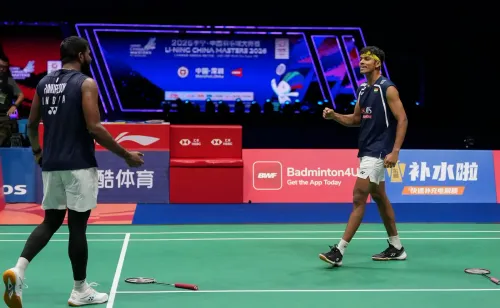
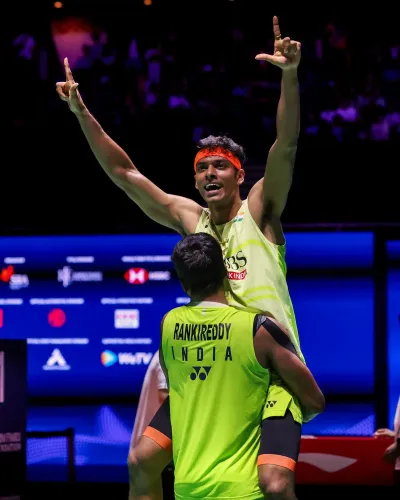
The Thailand Open final at Nimibutr Stadium saw Satwik and Chirag fall 21-12, 25-23 to Indonesia's Leo Rolly Carnando and Daniel Marthin in a blistering contest. While the opening game slipped away with little resistance, the Indian pair mounted a spirited second-game comeback, saving four championship points before narrowly falling short.
Shetty attributed the early struggles to shuttle pace and court conditions. 'We didn't start off that well. Shuttles were quite fast and we were trying to keep it low as much as possible. But we were always on the back foot. But second game we were taking the shuttle a lot higher and mixing it up with some flicks as well. But in the end, it wasn't enough,' he said.
Adapting to an Indonesian Game Plan
The Indonesian pair imposed their aggressive, high-tempo style from the outset, particularly exploiting the faster side of the court. Rankireddy acknowledged the difficulty in adjusting. 'On the first side we played on the faster side. It was a little difficult for us to control. They took us into their game style and it was tough. But it took time for us to adjust. The way we played the second game, I think a little bit sharper in those few points, maybe we could have won the third game,' he said.
Much of the final was contested at breakneck pace around the net, with very few lifted exchanges. Shetty noted that fresh shuttles made control especially difficult: 'When the shuttles were new, it was really really fast and it was very difficult to adjust. And the rallies were so fast that you didn't really know how hard you need to hit to control it.'
Confidence Returning After a Difficult Stretch
Despite the silver-medal result, both players expressed measured optimism about their trajectory. Rankireddy acknowledged a dip in belief over recent months but pointed to visible improvement. 'Except today, the way we played, I think we are getting back that touch. I think we should believe more and be confident on court rather than playing 50-50. I feel like from the starting onward, we are 50 when we enter on the court. But before, one year back, we were always 90% confident. But we are getting back that confidence,' he said.
Shetty credited the Thomas Cup campaign as a turning point in restoring trust in their game. 'Especially after the Thomas Cup, we felt a lot more confident in our game. Although we lost today, but I think we could go on,' he said. The pair's return to a final, combined with their frank self-assessment, suggests a partnership recalibrating rather than declining ahead of the season's latter stages.
Point of View
Targeting Singapore and Indonesia — is a smart load-management call or a sign that the pair still needs controlled environments to rebuild belief. If the Thomas Cup was indeed the turning point, the next few tournaments will be the proof.
NationPress
7 Oct 2026
Frequently Asked Questions
Why are Satwik and Chirag not playing the Malaysia Masters?
Satwiksairaj Rankireddy and Chirag Shetty have chosen to skip the Malaysia Masters as part of deliberate schedule management following their Thailand Open campaign. Rankireddy confirmed after the final that they will instead compete at the Singapore, Indonesia, and Australia legs of the tour.
What was the result of the Thailand Open men's doubles final?
Satwik and Chirag lost the Thailand Open final 21-12, 25-23 to Indonesia's Leo Rolly Carnando and Daniel Marthin at Nimibutr Stadium on 17 May. The Indian pair saved four championship points in the second game before falling short.
What did Satwik and Chirag say about their confidence levels?
Rankireddy acknowledged that the pair's on-court confidence had dropped significantly compared to a year ago, describing their current mindset as '50-50' versus the '90% confidence' they previously carried. Both players said they are steadily regaining belief, with the Thomas Cup cited as a key moment in that recovery.
Which tournaments will Satwik-Chirag play next?
Following their Malaysia Masters withdrawal, Satwik and Chirag are scheduled to compete at the Singapore, Indonesia, and Australia legs of the international badminton tour.
How did the Thailand Open final play out for the Indian pair?
The final was contested at high pace, with the Indonesian duo imposing their aggressive net-play style from the start. India struggled on the faster side of the court in game one but adapted in game two, mixing flicks and higher shuttle trajectories. Chirag noted that the speed of new shuttles made control especially difficult throughout the match.