CM Nayab Saini pays tribute to Bharat Ratna Ustad Bismillah Khan
Synopsis
Haryana Chief Minister Nayab Singh Saini on 21 August 2026 paid tribute to Bharat Ratna Ustad Bismillah Khan on his death anniversary, honouring the shehnai legend's unmatched contribution to Indian classical music and its global reach.
Key Takeaways
Haryana CM Nayab Singh Saini offered tribute to Ustad Bismillah Khan on his death anniversary, 21 August 2026 .
Saini called Khan's contribution to Indian classical music 'unforgettable' and said his melodies would keep India's cultural heritage alive.
Ustad Bismillah Khan was awarded the Bharat Ratna in 2001 , India's highest civilian honour, for his lifetime of service to music.
Khan is credited with elevating the shehnai from a ceremonial instrument to a globally recognised concert instrument.
The tribute follows a consistent BJP practice of publicly honouring masters of Hindustani classical music on their death anniversaries.
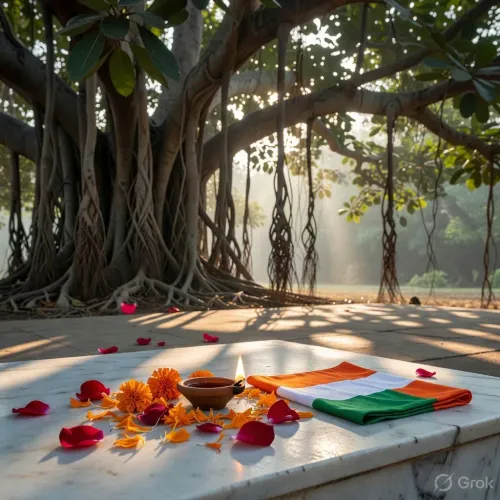
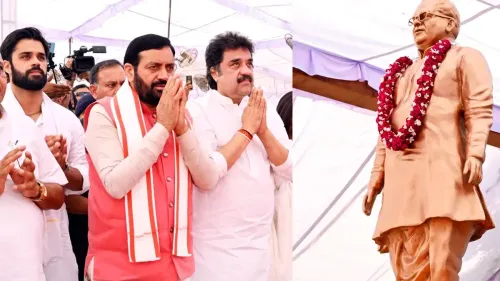
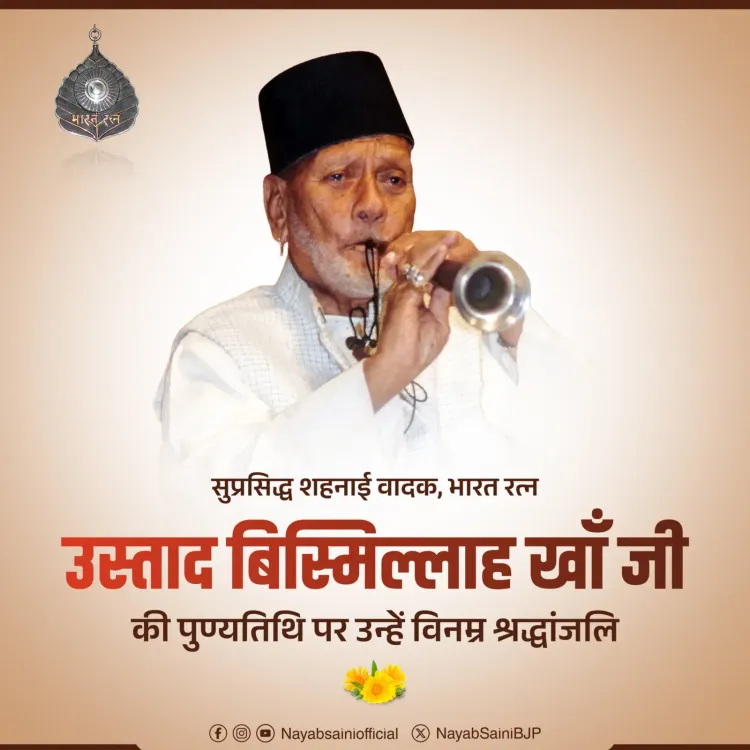
On the death anniversary of Ustad Bismillah Khan — the shehnai maestro who carried the sound of India to the world's grandest stages — Haryana Chief Minister Nayab Singh Saini offered his respects on Friday, 21 August 2026, calling the legend's contribution to Indian classical music 'unforgettable.'
Saini wrote: 'Suprashiddh shehnai vadak, Bharat Ratna Ustad Bismillah Khan ji ki punyatithi par unhe koti-koti naman aur vinamra shraddhanjali.' ('On the death anniversary of the renowned shehnai maestro, Bharat Ratna Ustad Bismillah Khan, I bow to him a million times and offer my humble tribute.') He added that Khan's melodious notes would forever remind the world of India's rich cultural and musical heritage.
The man who made the shehnai a world instrument
Ustad Bismillah Khan spent decades transforming the shehnai — once heard mainly at temples and weddings — into a concert-hall instrument recognised across continents. His performances at landmark venues abroad placed Hindustani classical music on a global map at a time when few Indian instruments had that reach.
In 2001, the Government of India conferred on him the Bharat Ratna, the country's highest civilian honour, in recognition of a lifetime devoted to music. He remains one of the rare classical musicians to have received that distinction.
A political ritual rooted in cultural continuity
Saini's tribute follows a well-established practice among Indian political leaders of marking the death anniversaries of national cultural icons with public statements. For BJP office-bearers in particular, acknowledging masters of Hindustani music has become a consistent gesture of alignment with India's composite classical heritage.
No specific state event or policy announcement accompanied the post — the tribute stands as a moment of remembrance, not a programme launch. Yet these annual acknowledgements keep the memory of artists like Khan visible in the national public conversation, a quiet form of cultural stewardship.
The shehnai still plays at dawn in the lanes of Varanasi, the city Khan called home until his death. Its sound, as Saini's post implies, needs no policy to survive — only remembrance.
Point of View
And BJP figures have been deliberate about associating the party with Hindustani music icons. Khan's identity as a Muslim maestro celebrated by a BJP chief minister also carries an implicit inclusivity message, though the post itself makes no such claim. The broader pattern suggests these tributes serve both cultural memory and soft political positioning without requiring any policy commitment.
NationPress
21 Aug 2026
Frequently Asked Questions
Who was Ustad Bismillah Khan?
Ustad Bismillah Khan was India's most celebrated shehnai player, born in Bihar and based in Varanasi, who elevated the shehnai to a globally recognised classical instrument. He was awarded the Bharat Ratna in 2001.
When did Ustad Bismillah Khan die?
Ustad Bismillah Khan passed away on 21 August 2006 in Varanasi. His death anniversary is observed annually on that date.
Why did Nayab Singh Saini pay tribute to Bismillah Khan?
Haryana Chief Minister Nayab Singh Saini marked the death anniversary of Ustad Bismillah Khan on 21 August 2026, honouring his unmatched contribution to Indian classical music and his role in giving the shehnai a global identity.
What is the Bharat Ratna and when was it given to Bismillah Khan?
The Bharat Ratna is India's highest civilian award. Ustad Bismillah Khan received it in 2001 in recognition of his lifetime contribution to Hindustani classical music.
What is the shehnai and why is it significant?
The shehnai is a traditional Indian wind instrument, historically associated with temples and auspicious occasions. Ustad Bismillah Khan transformed it into a concert-hall instrument and brought it to international audiences.