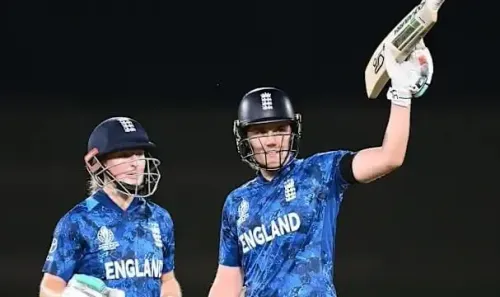
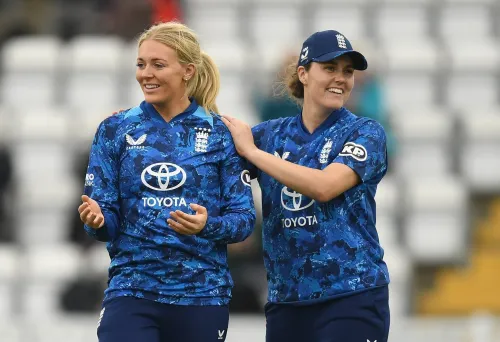
England's Sciver-Brunt: T20 World Cup win could reshape women's cricket after 2017 drought
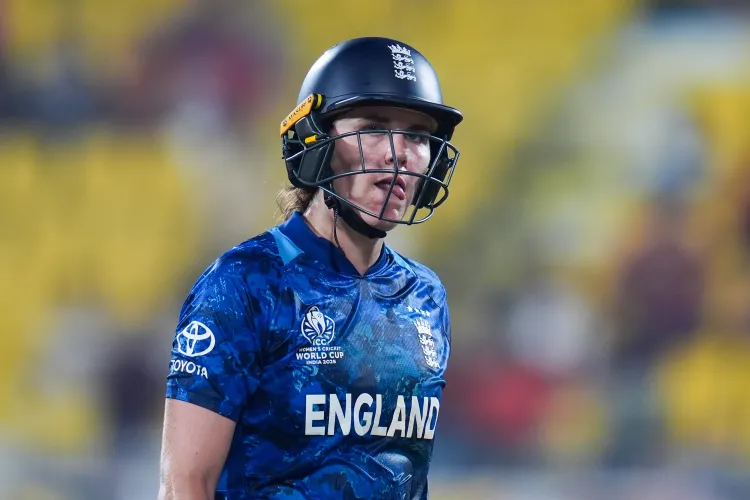
Synopsis
England's Sciver-Brunt admits the team squandered the momentum from their 2017 World Cup glory, failing to add silverware for nearly a decade. A T20 World Cup triumph at home this June could be the catalyst that reshapes women's cricket in the country—and finally deliver on the potential that 2017 promised.
Key Takeaways
England captain Nat Sciver-Brunt acknowledged the team underperformed since winning the 2017 World Cup at Lord's .
England have endured a title drought spanning nearly a decade, failing to secure an ICC World Cup or Ashes series.
The side reached the 50-over World Cup semi-finals but has fallen short in multiple global events, including the 2022 Commonwealth Games .
The T20 World Cup begins 12 June in England ; a victory could reshape women's cricket in the country, according to Sciver-Brunt.
Only a handful of 2017 finalists, including Sciver-Brunt and Heather Knight , are expected to feature in the upcoming squad.
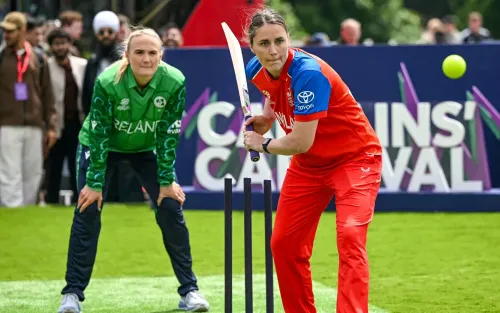
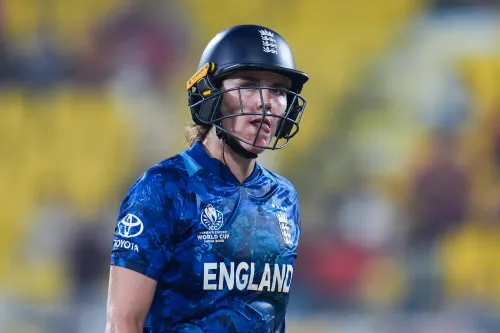
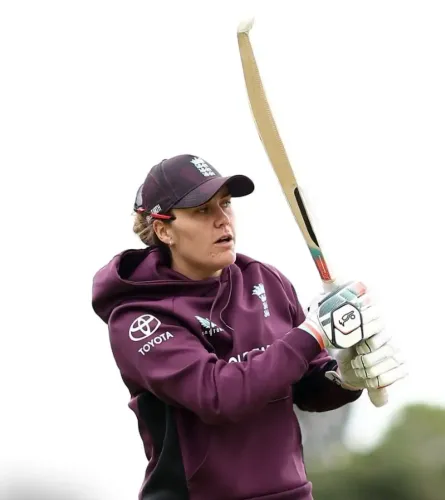
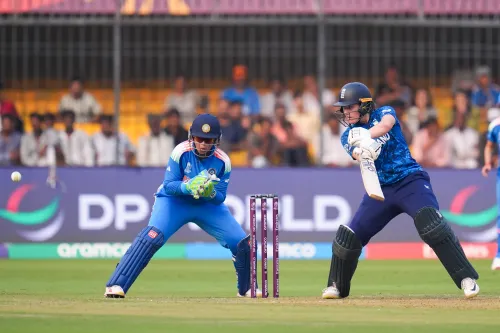
England captain Nat Sciver-Brunt has acknowledged that her team failed to capitalise on momentum following their historic 2017 World Cup victory at Lord's, admitting the side expected far more silverware in the intervening years. Speaking ahead of the T20 World Cup beginning 12 June, Sciver-Brunt suggested that a major title triumph this summer could fundamentally alter the trajectory of women's cricket in England.
Since that iconic 2017 triumph, England have endured a prolonged title drought spanning nearly a decade, failing to secure an ICC World Cup or an Ashes series. The side reached the semi-finals of the most recent 50-over World Cup but has struggled to convert consistency into championship silverware, falling short across multiple global events including T20 and ODI World Cups, the Women's Ashes, and missing a podium finish at the 2022 Commonwealth Games.
The Sciver-Brunt assessment
Reflecting on the post-2017 period, the England skipper told BBC Sport: "Being in those teams and being in those squads, the feeling was that we certainly could have won a bit more. There was quite a large change of personnel and people trying to find their feet in the team, and getting some youngsters into the group where you rely on your senior players to help them along and are trying to accelerate their learning. We would have liked to have won a lot more than we have done."
Sciver-Brunt took over the captaincy last year and has overseen a transitional phase where younger players were integrated alongside established names. She acknowledged that the integration process, while necessary, coincided with missed opportunities in major tournaments.
Why a home T20 title matters
Despite the lack of recent trophies, structural gains in the domestic circuit—including professionalisation of the women's game and the launch of The Hundred—have strengthened the overall ecosystem. However, Sciver-Brunt believes a major trophy at home could have outsized impact beyond statistics.
"A win could change what women's cricket looks like in this country. Just the carrot of that is enough to motivate anyone really. It certainly could change what this team is about. We didn't really do it after 2017, but being a consistently good team is something that everyone tries to do. I'm hoping we can be a consistently good team and we'd love to start off with a T20 World Cup win," she stated.
Squad composition and preparation
England are expected to announce their tournament squad imminently, with only a handful of survivors from the 2017 final—including Sciver-Brunt and former captain Heather Knight—likely to feature. The team management faces key decisions on whether to introduce fresh talent alongside the core of recent campaigns.
Sciver-Brunt defended the team's preparation strategy, particularly the decision to prioritise internal training camps over domestic match commitments. "We thought it was our best preparation for our bowlers to be bowling against our batters and really be put under pressure to execute their skills. We haven't played that much cricket over the winter, so being together as a squad and trying to recreate some of those pressure situations was really important," she explained.
The path forward
With a home World Cup looming, England now have an opportunity to end nearly a decade without a major title and reshape the narrative of women's cricket domestically. Success this summer could have ramifications far beyond the tournament itself, potentially accelerating growth and investment in the women's game across the country.
Point of View
While necessary, became an excuse for underperformance across multiple tournaments. A home T20 World Cup win would be cathartic, but the real measure of this team is whether they can sustain title-winning form beyond June. Without that, this tournament remains a one-off opportunity, not a turning point.
NationPress
19 Sept 2026
Frequently Asked Questions
Why has England's women's cricket team struggled to win titles since 2017?
England won the World Cup in 2017 but have endured a nearly decade-long title drought since, failing to secure an ICC World Cup or Ashes series. Captain Sciver-Brunt attributed this partly to a large change in personnel and the integration of younger players, during which the team relied on senior players to accelerate learning, which coincided with missed opportunities in multiple global tournaments.
When is the T20 World Cup and where is it being held?
The T20 World Cup begins on 12 June and is being hosted by England. This home advantage is seen as a significant opportunity for the side to end their title drought.
Who are the key players expected to feature in England's T20 World Cup squad?
England are expected to announce their squad soon. Captain Nat Sciver-Brunt and former captain Heather Knight are among the few survivors from the 2017 final likely to feature, alongside the core of recent campaigns.
How could a T20 World Cup win impact women's cricket in England?
According to Sciver-Brunt, a major title victory at home could fundamentally reshape the landscape of women's cricket in the country, potentially accelerating growth, investment, and the overall profile of the women's game.
What was England's preparation strategy for the T20 World Cup?
Sciver-Brunt defended the team's decision to prioritise internal training camps over domestic match commitments, stating that bowling against their own batters under pressure and recreating match situations as a unified squad was more valuable given limited international fixtures over the winter.