Shapoor Zadran, Former Afghan Cricketer, Faces Critical Health Crisis
Synopsis
Shapoor Zadran, the former Afghan cricket star, is battling a severe health crisis due to a rare immune disorder known as HLH. His family and cricket community rally for support as he fights for recovery in a New Delhi hospital.
Key Takeaways
Shapoor Zadran is in critical condition due to HLH.
HLH is a rare immune disorder causing severe inflammation.
Support from the cricket community has been crucial.
Initial improvement was followed by setbacks due to infections.
Hope remains as treatment continues.
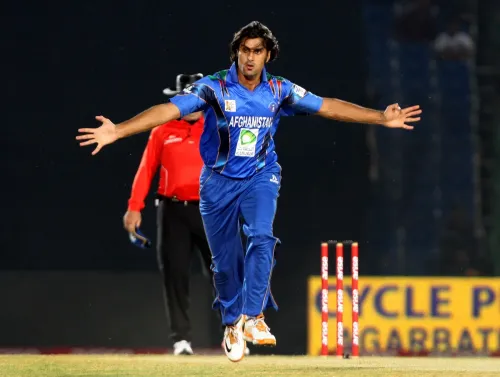
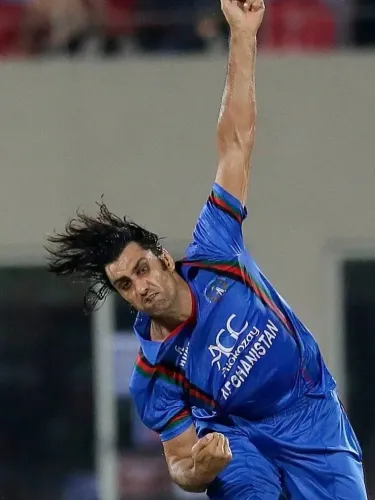
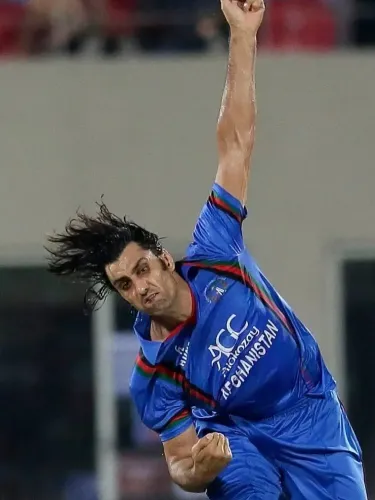
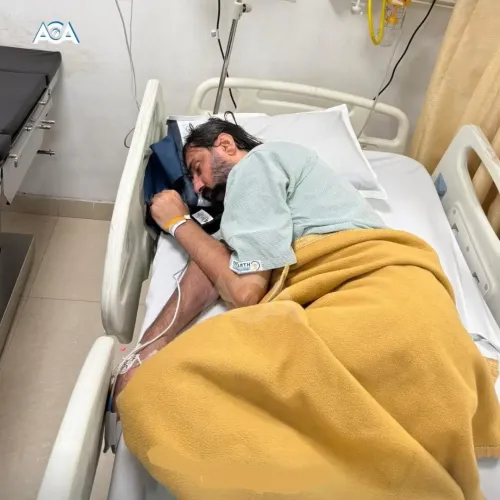
New Delhi, April 20 (NationPress) Former Afghanistan fast bowler Shapoor Zadran is currently fighting for his life at a New Delhi hospital after being diagnosed with Hemophagocytic Lymphohistiocytosis (HLH), a rare and potentially deadly immune condition.
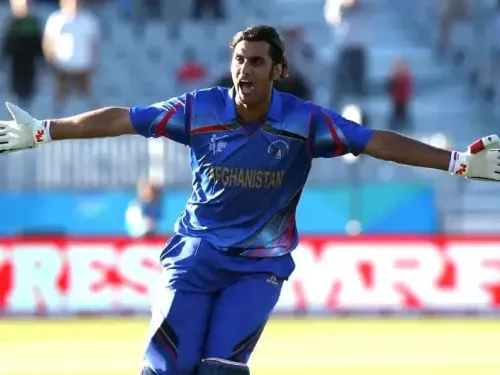
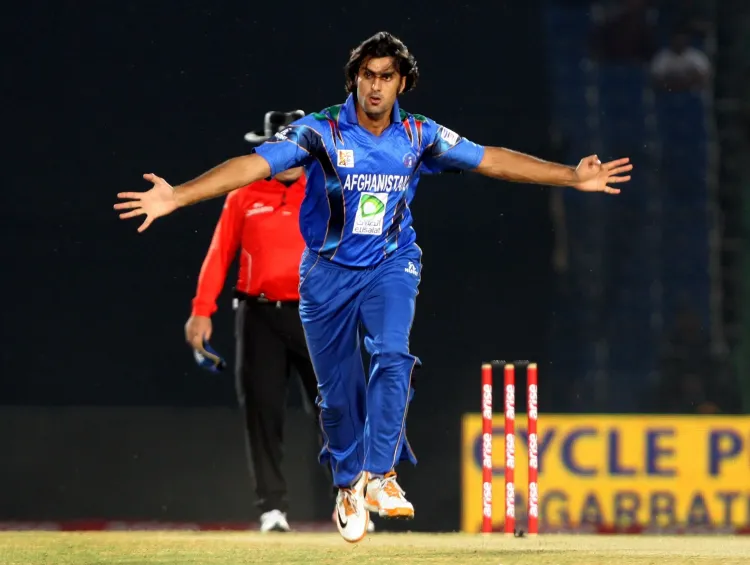
Zadran, who has represented Afghanistan in 44 ODIs and 36 T20Is between 2009 and 2020, is in the intensive care unit (ICU) battling stage four HLH. This severe condition causes hyper-inflammatory responses, damaging various tissues including the bone marrow, liver, spleen, and lymph nodes.
His younger sibling, Ghamai Zadran, living in Canada, disclosed that Shapoor first experienced health issues in October of the previous year and was recommended to seek treatment in India. With assistance from Rashid Khan and Mirwais Ashraf, chairman of the Afghanistan Cricket Board (ACB), Shapoor's visa process was expedited, allowing him to be admitted to the New Delhi hospital on January 18.
“It was a very serious infection. His entire body was compromised, including TB (tuberculosis), which also affected his brain, as revealed by MRI and CT scans,” Ghamai stated in an interview with ESPNCricinfo.
While Ashraf discussed Shapoor's situation with ICC chairman Jay Shah, Rashid utilized his connections within the franchise circuit, including the Gujarat Titans, the IPL team he plays for. Rashid had even visited Shapoor during Afghanistan's Men's T20 World Cup match in New Delhi earlier this year.
On April 3, AM Ghazanfar, an Afghanistan wrist-spinner playing for the Mumbai Indians in IPL 2026, paid a visit to Shapoor right before his match against the Delhi Capitals at the Arun Jaitley Stadium.
Former Afghanistan captain Asghar Afghan has been frequently traveling between Dubai and Delhi to support Shapoor, while Rashid and other Afghan players have maintained communication with medical staff and family members. Although Shapoor showed initial signs of recovery, his health deteriorated again due to recurrent infections, dengue, and critically low red blood cell counts.
A bone marrow examination conducted in late March confirmed Shapoor's stage four HLH diagnosis. “The doctor mentioned that we could come in for regular check-ups. He (Shapoor) felt better for about 20 days before falling ill again, which led to his readmission,” Ghamai explained.
“He started developing a fever, and then he tested positive for dengue. His immunity was significantly compromised, with severely reduced red blood cell levels. He lacks vitality, but we hold onto hope for gradual improvement. The steroids administered to Shapoor recently appear to be having a positive effect, which gives us some hope,” Ghamai concluded.
Point of View
Especially among athletes who entertain millions. Shapoor Zadran's battle with HLH is a reminder of the unforeseen challenges that can affect anyone. The cricketing community's swift response underscores the importance of support during such crises. We hope for his swift recovery.
NationPress
23 Sept 2026
Frequently Asked Questions
What illness is Shapoor Zadran suffering from?
Shapoor Zadran is suffering from Hemophagocytic Lymphohistiocytosis (HLH), a rare and life-threatening immune disorder.
How many matches did Shapoor Zadran play for Afghanistan?
Shapoor Zadran played 44 One Day Internationals (ODIs) and 36 Twenty20 Internationals (T20Is) for Afghanistan.
Who has supported Shapoor Zadran during his illness?
Shapoor Zadran has received support from his family, including his brother Ghamai, and fellow cricketers like Rashid Khan and Asghar Afghan.
What is the prognosis for Shapoor Zadran's condition?
While Shapoor Zadran showed initial signs of improvement, his condition has worsened due to recurrent infections and complications.
Where is Shapoor Zadran receiving treatment?
Shapoor Zadran is currently receiving treatment in a hospital located in New Delhi, India.