Smriti Mandhana named India all-format captain: 'Steel and velvet' era begins
Synopsis
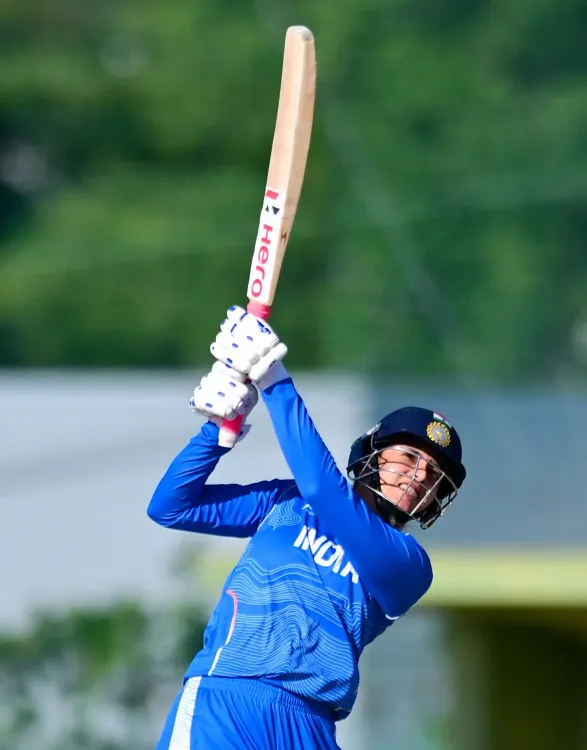
Smriti Mandhana's elevation from 'Lady Dada' of the Under-19 nets to India's all-format captain is not just a succession story — it's a style shift. Coach Biju George's phrase captures it best: Harmanpreet was 'steel-steel'; Mandhana will be 'steel and velvet.' With a home Champions Trophy, two World Cups, and the Olympics in the pipeline, the velvet comes with very high stakes.
Key Takeaways
Smriti Mandhana , 30, was appointed India's all-format captain after Harmanpreet Kaur stepped down on 6 October 2026 .
Mandhana led Royal Challengers Bengaluru (RCB) to WPL titles in 2024 and 2026 and has captained India in 18 T20Is and four ODIs as stand-in.
In 2026 , she surpassed Mithali Raj as women's cricket's all-time leading run-scorer, set a record 18th international hundred , and topped the T20I run charts.
Coach Biju George described the transition as a shift from 'steel-steel' under Harmanpreet to 'steel and velvet' under Mandhana.
Upcoming tests include a home Champions Trophy (February 2027) , the T20 World Cup and Los Angeles Olympics (2028) , and an ODI World Cup title defence (2029) .
Harmanpreet's tenure delivered India's first home ODI World Cup in 2025 , two Asia Cup titles, and an Asian Games gold, but saw early exits at the last two T20 World Cups .
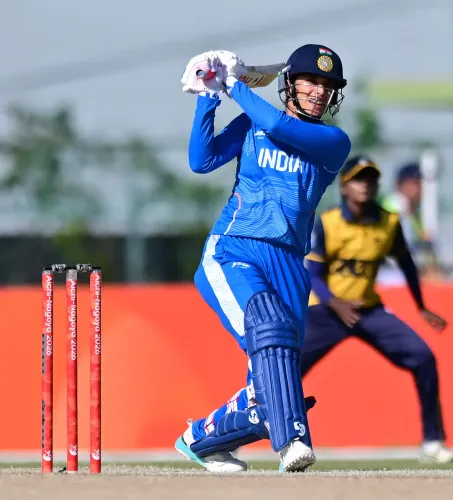
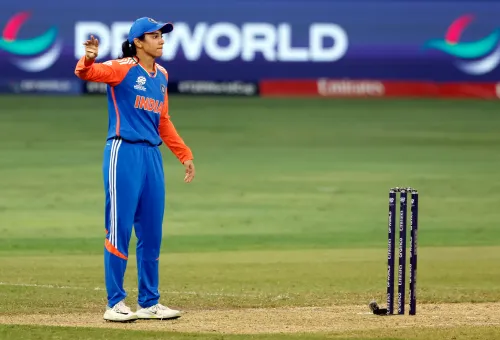
Smriti Mandhana has been appointed India's all-format captain after Harmanpreet Kaur stepped down on 6 October 2026, marking a significant leadership transition in Indian women's cricket. The 30-year-old left-handed batter, who led Royal Challengers Bengaluru (RCB) to Women's Premier League (WPL) titles in 2024 and 2026, takes charge as the women's game enters one of its most calendar-loaded phases.
From Guntur Nets to National Captaincy
The journey to the captaincy has been decades in the making. Coach Biju George first spotted Mandhana as a teenager at the BCCI's first-ever Under-19 girls' camp held in Guntur in 2013-14, immediately struck by her cover drive. He nicknamed her 'Lady Dada' — a reference to the elegance she brought to the crease. But it was her self-awareness that left a deeper impression. The young Mandhana walked up to George and acknowledged a technical vulnerability: an instinctive pull-shot habit that opponents were exploiting. George and a colleague, Raghu, worked with her at the indoor nets at the old NCA for hours until the flaw was corrected. That combination of technical honesty and willingness to grind has defined her career since.
Former India player Soniya Dabir, Mandhana's roommate when she first broke into Maharashtra's senior side, recalls a teenager who led by listening rather than commanding. 'She used to listen to everyone for help in terms of formulating strategies. She could make it out whose advice was to be taken and used to think about the situations differently,' Dabir said. Mandhana was made Maharashtra's captain at 16 — and even then, she leaned on senior players rather than seeking to impress them.
The Record-Breaker Now in Charge
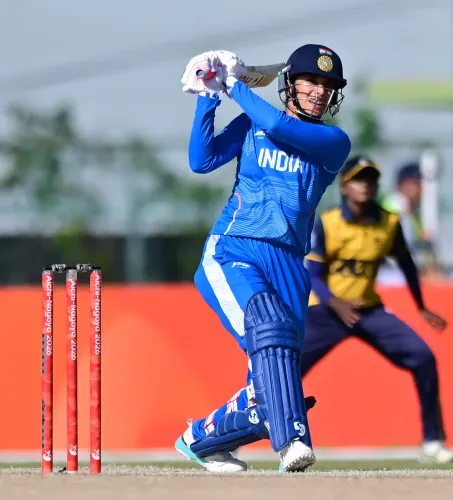
Mandhana arrives at the captaincy carrying a string of individual milestones. In 2026, she surpassed Mithali Raj as the highest run-scorer in women's international cricket. She also recorded a landmark 18th international hundred, overtaking Meg Lanning's record, and moved past Suzie Bates to top the T20I all-time run charts. In March 2026, Mattel honoured her with a one-of-a-kind Barbie doll — the first cricketer, male or female, to receive that distinction. As a stand-in captain, she has led India in 18 T20Is and four ODIs.
What the Coaches and Insiders Say
Former India selector Aarti Vaidya believes the transition is well-timed. 'She has played a lot of WBBL and franchise matches in England too. So she has that international cricket experience of handling and being with different teams and that helps,' Vaidya said. Malolan Rangarajan, RCB's women's head coach who has worked with Mandhana for four to five years, points to her team-first mentality as her defining leadership quality. 'She is a leader of a team and not a leader of select individuals. She always thinks about what's best for the team,' Rangarajan said. He also highlighted her tactical sharpness: 'She knows what works, and what doesn't work... Even tactically, she's very, very adept — knows exactly what to do when.'
Notably, Mandhana captained RCB alongside former international captains Heather Knight and Sophie Devine — an environment that sharpened her reading of the game at the highest level. Several uncapped players she nurtured at RCB have since gone on to represent India.
Young batter Tejal Hasabnis, who made her international debut under Mandhana's captaincy in a 50-over match against New Zealand in Ahmedabad in 2024 and will play under her in the upcoming ODI series against Zimbabwe in Vadodara, described her captain as 'calm and thoughtful' with a gift for role clarity. 'She gave us role clarity — like what she expects from the players and when just out there, she supports us to execute our plans,' Hasabnis said.
Harmanpreet's Legacy and the Shift in Style
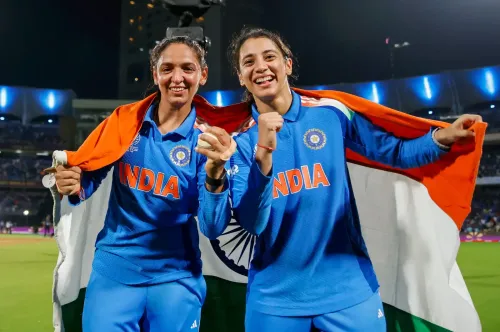
Harmanpreet Kaur departs as a transformational leader. Under her captaincy, India won its first-ever ODI World Cup on home soil in 2025, claimed a second Asian Games gold medal, and secured twin Asia Cup triumphs. Her tenure was, however, also marked by early exits at the last two T20 World Cups, partly attributed to the absence of key all-rounders. She will continue as a player. George, who has known both captains closely, frames the transition with a memorable phrase: 'Harman was steel-steel. Now Smriti will be steel and velvet. Harman can be aloof at certain times. Smriti is never aloof. Smriti is always available and I know the girls will love working with Smriti.'
What Lies Ahead for Mandhana's India
The fixtures that will define Mandhana's captaincy tenure are already on the horizon: a home Champions Trophy in February 2027, the T20 World Cup and Los Angeles Olympics in 2028, and an ODI World Cup title defence in 2029. Cracking the T20 format at the global level — a challenge that eluded her predecessor — will be among the most pressing tasks. George, for his part, is optimistic about the long view. 'One thing about her is she constantly keeps learning about batting and everything. She is going to be a very good captain for India. Like in men's cricket, we say, Ravi Shastri is probably the long-time captain India never had and I wish Smriti stays as captain for a long time,' he said. Rangarajan, meanwhile, has no doubt about her ability to separate the two roles. 'When she captains, she captains and when she bats, she's mature and experienced enough to think like a batter and do what's required for the team,' he said. The level of scrutiny Mandhana now faces — once reserved solely for India's men's captains — is itself a marker of how far the women's game has come.
Point of View
But velvet alone does not win knockout matches. The real question is whether her instinctively collaborative style can coexist with the hard, sometimes unpopular decisions that define successful captaincies at crunch moments. She also faces the classic player-captain tension: India's batting is most secure when she is free to dominate, not managing a chase of 12 runs an over with a scorebook in her head. With a once-in-a-generation fixtures calendar ahead — Champions Trophy, Olympics, back-to-back World Cups — the margin for a learning curve is narrow.
NationPress
15 Oct 2026
Frequently Asked Questions
Why did Harmanpreet Kaur step down as India women's captain?
Harmanpreet Kaur stepped down as India's captain on 6 October 2026, though she will continue playing. Her tenure included India's first home ODI World Cup title in 2025 and two Asia Cup wins, but India also exited in the group stage of the last two T20 World Cups.
What is Smriti Mandhana's captaincy record before this appointment?
Mandhana has captained India in 18 T20Is and four ODIs as a stand-in captain. She also led Royal Challengers Bengaluru (RCB) to WPL titles in 2024 and 2026, captaining alongside former international skippers Heather Knight and Sophie Devine.
What major tournaments will Smriti Mandhana captain India in?
Mandhana's captaincy will be tested across a packed global calendar: a home Champions Trophy in February 2027, the T20 World Cup and Los Angeles Olympics in 2028, and an ODI World Cup title defence in 2029.
What individual records has Smriti Mandhana set in 2026?
In 2026, Mandhana surpassed Mithali Raj as the all-time leading run-scorer in women's international cricket, recorded a landmark 18th international hundred to overtake Meg Lanning's record, and moved past Suzie Bates to top the T20I all-time run charts.
How is Mandhana's captaincy style described by those who have worked with her?
Those who have coached and played under Mandhana consistently describe her as calm, approachable, and tactically sharp, with a team-first mindset. Coach Biju George summarised the leadership shift from Harmanpreet as moving from 'steel-steel' to 'steel and velvet', noting Mandhana is 'always available' to players.