Muhammad Waseem Fined 15% Match Fee for ICC Code Breach vs Nepal
Synopsis
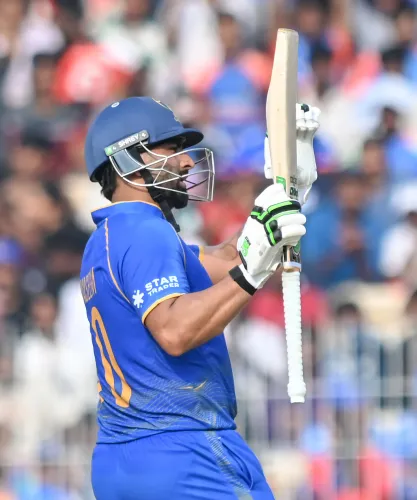
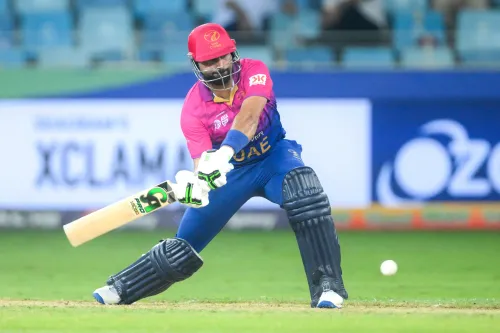
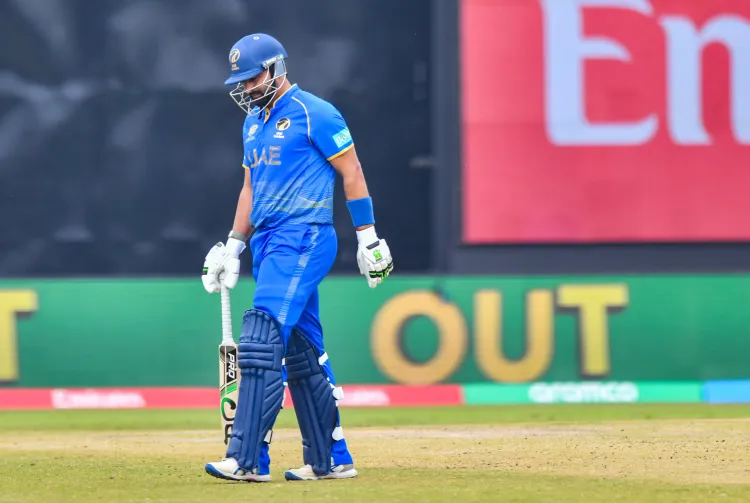
UAE captain Muhammad Waseem has been fined 15% of his match fee and handed one demerit point after publicly accusing umpires of bias following UAE's eight-wicket defeat to Nepal in the second T20I at Kirtipur. He accepted the sanction, avoiding a formal ICC hearing.
Key Takeaways
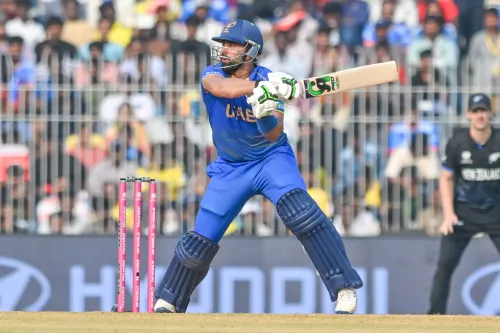
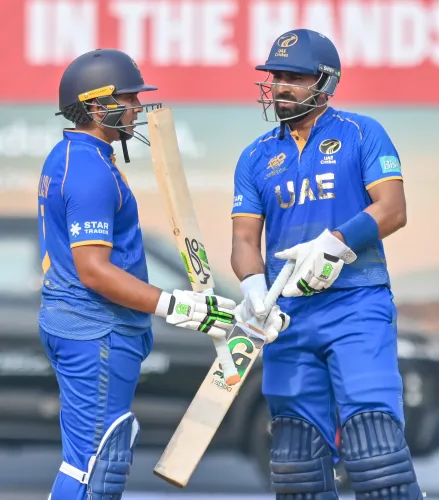
Muhammad Waseem , captain of UAE , has been fined 15 per cent of his match fee for breaching the ICC Code of Conduct during the second T20I against Nepal .
The charge was filed under Article 2.7 of the ICC Code of Conduct — a Level 1 offence — for publicly accusing umpires of bias at the post-match ceremony.
The incident was reported by on-field umpires Buddhi Pradhan and Vinay Kumar , third umpire Durga Subedi , and fourth umpire Sanjay Sigdel .
Waseem accepted the sanction proposed by match referee Wendell La Brooy , avoiding a formal ICC hearing, and received one demerit point — his first in 24 months .
Players accumulating four or more demerit points within 24 months face match bans under ICC regulations.
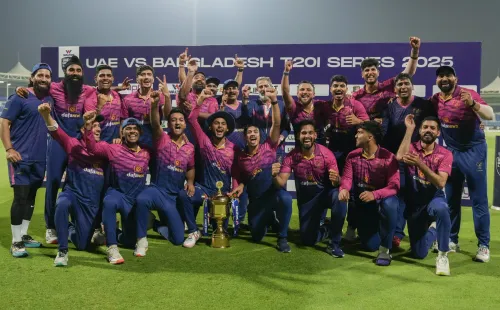
The UAE vs Nepal T20I series is currently tied 1-1 , with the decisive match still to be played at Kirtipur, Nepal .
UAE captain Muhammad Waseem has been penalised with a 15 per cent match fee fine after being found guilty of breaching the ICC Code of Conduct during the second T20I against Nepal. The offence stemmed from remarks Waseem made at the post-match presentation ceremony, where he publicly alleged that umpiring decisions were biased. The sanction was confirmed on April 23, 2025, following an investigation by match officials.
Nature of the Offence
Waseem was charged under Article 2.7 of the ICC Code of Conduct for Players and Player Support Personnel, which specifically addresses Level 1 offences involving public criticism or inappropriate comments about incidents, players, officials, or teams in international matches. The charge carries a minimum penalty of an official reprimand and a maximum penalty of 50 per cent of a player's match fee.
The incident was formally reported by on-field umpires Buddhi Pradhan and Vinay Kumar, along with third umpire Durga Subedi and fourth umpire Sanjay Sigdel — all of whom were directly implicated by Waseem's public remarks at the post-match ceremony.
Waseem Accepts Sanction, Avoids Formal Hearing
Muhammad Waseem admitted to the offence and accepted the proposed sanction without contesting it, thereby avoiding a formal disciplinary hearing. The penalty was proposed by Wendell La Brooy of the Emirates ICC International Panel of Match Referees.
In addition to the monetary fine, Waseem has been handed one demerit point — his first in a 24-month rolling period. Demerit points remain on a player's disciplinary record for 24 months before being expunged from the record.
Demerit Points System and Suspension Risk
Under ICC regulations, players who accumulate four or more demerit points within 24 months face automatic conversion of those points into suspension points. Two suspension points result in a ban from one Test match, two ODIs, or two T20Is — whichever comes first in the player's schedule.
With just one demerit point currently on his record, Waseem remains well within safe limits. However, the sanction serves as a formal warning that any further misconduct could escalate consequences significantly, particularly given UAE's active international cricket calendar.
Series Context: Nepal Levels T20I Series
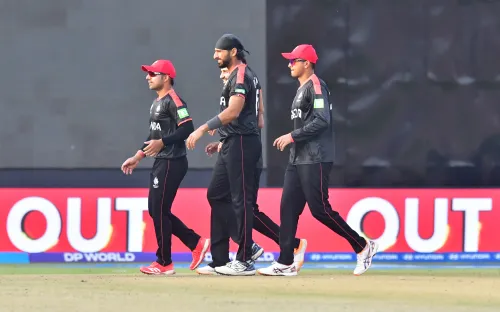
UAE had won the opening T20I of the series by six wickets, giving Waseem's side an early advantage. However, Nepal responded emphatically in the second match, winning by eight wickets to level the series at 1-1. The match was played at the Tribhuvan University International Cricket Ground in Kirtipur, Nepal.
It was in the aftermath of this defeat that Waseem made the controversial umpiring remarks, suggesting frustration over the result may have influenced his public comments — a pattern not uncommon in closely contested bilateral series between Associate ICC members.
Broader Implications for Associate Cricket Conduct
This incident highlights a growing pattern of on-field tension in Associate cricket, where bilateral series between emerging nations often attract scrutiny over officiating standards. Notably, the use of local umpires in Associate-level matches — rather than fully neutral panels — has been a recurring point of debate within ICC governance circles.
Critics argue that the ICC's reliance on regional umpiring panels for Associate fixtures can create perceptions of bias, even when decisions are made in good faith. While Waseem's public criticism was inappropriate under ICC rules, the incident reignites discussion about whether stronger neutral officiating protocols should be mandated for all international fixtures, regardless of member status.
As the UAE and Nepal prepare for the decisive match in the series, all eyes will be on both the on-field action and the conduct of players under the scrutiny of ICC match officials.
Point of View
However understandable in the heat of defeat, exposes a structural tension in Associate cricket — where local officiating panels and high-stakes bilateral series create fertile ground for conduct controversies. The ICC's swift action is commendable, but the real question the governing body must answer is why fully neutral umpiring panels are not standard practice at all international fixtures. Waseem's frustration may be genuine, but the rules exist for a reason: public trust in officiating is the backbone of competitive cricket, and captains carry the heaviest responsibility to uphold it.
NationPress
27 Sept 2026
Frequently Asked Questions
Why was UAE captain Muhammad Waseem fined by the ICC?
Muhammad Waseem was fined 15 per cent of his match fee for publicly alleging umpiring bias at the post-match presentation ceremony after UAE's loss to Nepal in the second T20I. This violated Article 2.7 of the ICC Code of Conduct, which prohibits inappropriate public criticism of match officials.
What is a Level 1 ICC Code of Conduct offence?
A Level 1 ICC Code of Conduct offence is the least severe category of misconduct and covers acts like public criticism of officials or players. Penalties range from an official reprimand to a maximum fine of 50 per cent of the player's match fee, plus one or two demerit points.
How many demerit points does Muhammad Waseem now have?
Muhammad Waseem currently has one demerit point following the sanction. This is his first offence within a 24-month rolling period, and players face suspension only when they accumulate four or more demerit points within 24 months.
What is the current status of the UAE vs Nepal T20I series?
The UAE vs Nepal T20I series is currently level at 1-1. UAE won the first match by six wickets, while Nepal won the second by eight wickets at the Tribhuvan University International Cricket Ground in Kirtipur.
What happens if a cricket player accumulates four demerit points?
If a player accumulates four or more demerit points within 24 months, those points are converted into suspension points. Two suspension points result in a ban from one Test, two ODIs, or two T20Is, whichever comes first in the player's schedule.