Pybus: Afghanistan's 159 'not defendable' in 7-wicket T20I loss to India
Synopsis
Afghanistan coach Richard Pybus didn't mince words after the second T20I loss to India — 159 was never going to be enough on a wicket he valued at 200. With an average powerplay score of 45, a talent pool dwarfed by India's, and no quality batting surfaces at home, Pybus has laid out a sobering but honest development map for Afghan cricket.
Key Takeaways
Afghanistan lost the second T20I to India by seven wickets at the Arun Jaitley Stadium, New Delhi on 16 September 2026 .
Coach Richard Pybus admitted that 159 was not a defendable total, estimating the surface's par score at around 200 .
Afghanistan managed only 40 runs in the powerplay; their average powerplay score is approximately 45 runs .
India scored approximately 80 runs in their own powerplay, effectively ending the contest early.
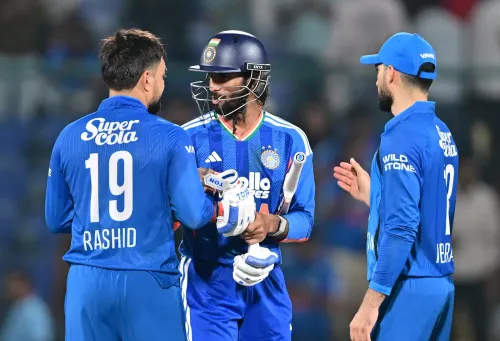
Pybus praised Rashid Khan's batting and backed Rahmanullah Gurbaz to deliver in the third T20I .
Pybus called for Afghanistan to appoint an international curator to improve domestic pitch standards and aid player development.
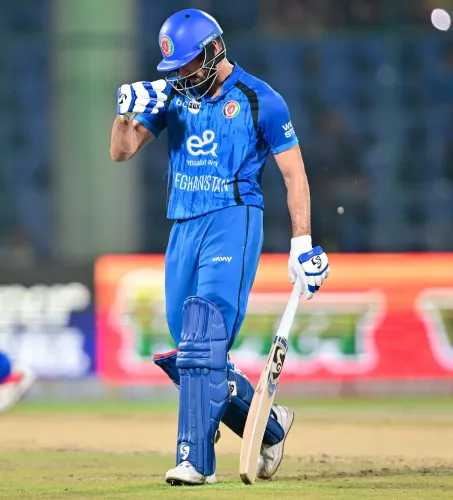
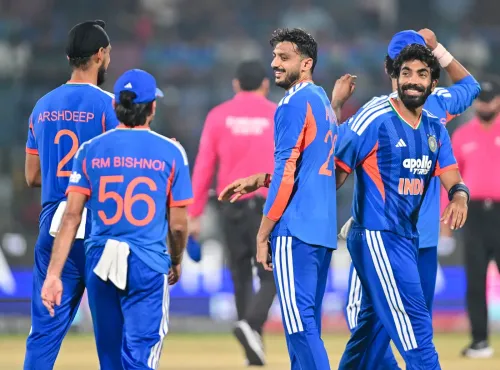
Afghanistan head coach Richard Pybus conceded that his side's batting failure was the defining factor in their seven-wicket defeat to India in the second T20I at the Arun Jaitley Stadium, New Delhi, on Tuesday, 16 September 2026. Pybus acknowledged that Afghanistan's total of 159 fell well short of the surface's par score, which he estimated at approximately 200.
Batting Failure at the Root
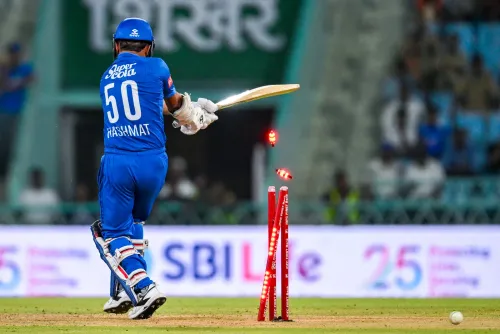
'Par on that wicket would be about 200. That would have given us something realistic to bowl at,' Pybus said in the post-match press conference. 'I really think we didn't set a total which was going to be defendable. It's a really beautiful wicket.' Afghanistan managed only 40 runs in the first six overs of their innings, a recurring problem after a similarly sluggish powerplay in the first T20I, where they posted just 41 runs and lost four wickets in that phase. Ibrahim Zadran provided some stability, but the visitors could not shift through the gears when it mattered most.
India's Powerplay Exposed the Gap
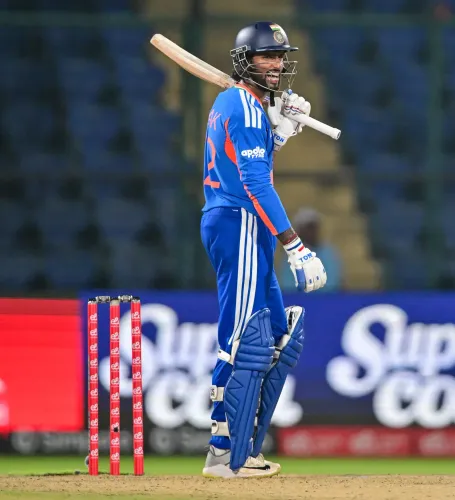
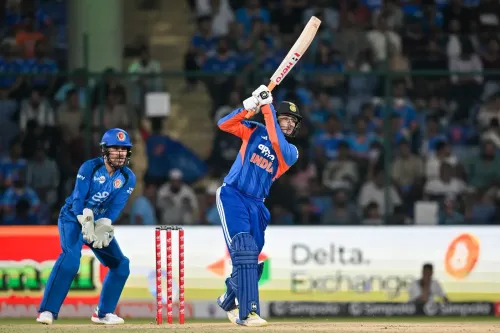
The contrast in powerplay execution was stark. India raced to approximately 80 runs in their first six overs, leaving Afghanistan's bowlers with virtually no margin for error. Pybus praised the efforts of Mohammad Nabi and Noor with the ball but admitted the target they were defending was simply insufficient. 'They were already about 80 in 6 overs. We let them get away from us, a lack of pressure. It comes back to the batting,' he said. He also noted that the toss carried significance on such a surface, but stressed that Afghanistan needed to perform regardless: 'Anybody would like to chase on that wicket, but we've got to be good enough on both sides of the toss.'
Rashid Khan's Role and the Top-Order Concern
The deployment of Rashid Khan in the bowling attack drew scrutiny, but Pybus defended the decision and instead highlighted Rashid's contribution with the bat. 'Rashid's playing as an all-rounder. He batted absolutely beautifully today, in a great way,' he said. Pybus identified Rahmanullah Gurbaz — typically Afghanistan's most explosive top-order batter — as a key player who needs to fire in the third match. 'Gurbaz is usually our most explosive player in the top order. I know he's really disappointed. He loves the big occasions. I'm sure he'll have something special for us in the third game,' he said.
The IPL Divide and Structural Challenges
Pybus drew a candid distinction between the two sides, pointing to India's sustained exposure to the Indian Premier League (IPL) as a structural advantage. 'India fires; their par is 10 runs in an over. They play on these wickets throughout the IPL; they know how to play on these wickets, and their game is developed on them,' he said. By contrast, he acknowledged that Afghanistan lacks access to comparable batting surfaces at home, creating a developmental blind spot. Afghanistan's average powerplay score currently stands at approximately 45 runs, a figure Pybus said the team must work seriously to improve over the next 12 months. 'Our dot ball percentage is too high and our strike rate's got to improve,' he added.
The Road Ahead: Pitches, Depth, and Development
Pybus called on Afghanistan's cricket board to consider appointing an international curator to standardise domestic pitch conditions, arguing that quality surfaces are essential for player development. 'I do think one of the things I would suggest to the board is to appoint an international curator to achieve a uniform surface,' he said, citing a similar initiative during his time with the West Indies. He also acknowledged the yawning gap in talent pool depth, conceding that India's bench strength is unmatched. 'Afghanistan has got some really good talent coming through, but we don't have a talent pool anywhere remotely as deep as India's.' The series continues with the third T20I, which Pybus expects will be a crucial test of how quickly his side can apply the lessons of the first two matches.
Point of View
But it also exposes how wide the structural gap remains between Afghanistan and the top white-ball nations. A powerplay average of 45 is not a tactical problem — it is a cricketing ecosystem problem, rooted in inadequate domestic surfaces and an absence of IPL-level match practice. The call for an international curator is sensible, but it is a downstream fix; the upstream issue is limited bilateral series opportunities against elite sides, which is partly a scheduling and ICC prioritisation question. Afghanistan's talent is not in doubt — Rashid, Nabi, Gurbaz are globally recognised names — but talent without consistent high-pressure repetition produces exactly the execution gaps Pybus described. The third match will reveal whether his side can adapt within a series, which itself is a marker of developmental maturity.
NationPress
16 Sept 2026
Frequently Asked Questions
Why did Afghanistan lose the second T20I against India?
Afghanistan lost by seven wickets primarily because their batting total of 159 was insufficient for the conditions at the Arun Jaitley Stadium, where coach Richard Pybus estimated the par score was around 200. A slow powerplay of just 40 runs left their bowlers without enough to defend, especially after India scored approximately 80 in their own opening six overs.
What did Richard Pybus say about Afghanistan's powerplay batting?
Pybus acknowledged that Afghanistan's powerplay batting is a serious concern, noting their average powerplay score is around 45 runs. He said the team's dot ball percentage is too high and their strike rate must improve, calling it a key developmental focus over the next 12 months.
How did Rashid Khan perform in the second T20I?
Rashid Khan contributed primarily as a batter in the second T20I, which Pybus praised highly. Pybus defended the decision on Rashid's bowling use and described his batting contribution as 'absolutely beautiful', framing him as a key all-rounder for the side.
What structural changes did Pybus suggest for Afghanistan cricket?
Pybus recommended that the Afghanistan Cricket Board appoint an international curator to standardise pitch conditions in domestic cricket, arguing that access to quality batting surfaces is essential to develop players capable of competing at the highest level of T20 cricket.
How does India's IPL experience affect matches against Afghanistan?
Pybus pointed to India's continuous exposure to high-quality batting surfaces through the IPL as a major competitive advantage, noting that India's par expectation is 10 runs per over on such tracks. Afghanistan, by contrast, does not have access to similar pitches in domestic cricket, creating a significant developmental gap.