Gujarat Government Files 232 Criminal Cases Against 39 Factories for Labour Law Violations

Synopsis
In a significant move, the Gujarat government has initiated 232 criminal actions against 39 Kheda factories for labour law infringements, as revealed by Minister Kunvarji Bavaliya. The inspections were prompted by worker complaints, aiming to uphold industrial peace and worker rights.
Key Takeaways
232 criminal cases filed against 39 factories in Kheda.
Inspections prompted by worker complaints.
Efforts to ensure compliance with labour laws.
Labour department conducted inspections of 667 units.
Courts have imposed fines totaling Rs 5,20,000.
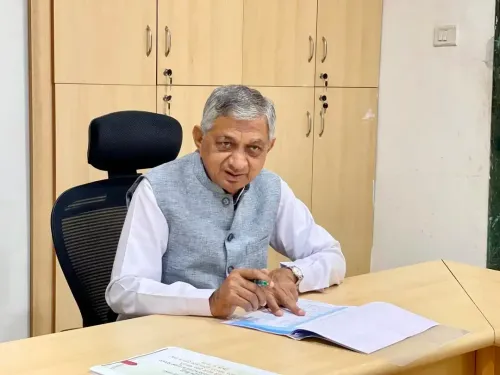
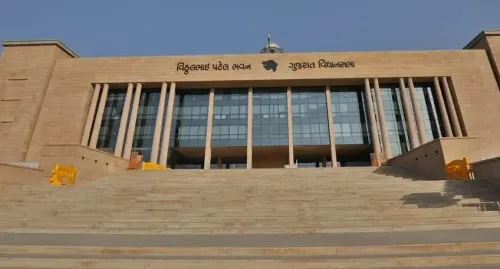
Gandhinagar, March 11 (NationPress) The government of Gujarat has launched 232 criminal cases against 39 factories in Kheda district due to breaches of labour regulations, according to Labour and Employment Minister Kunvarji Bavaliya's statement to the state Legislative Assembly on Wednesday.
Bavaliya explained that this action stemmed from inspections conducted by the labour department following complaints and appeals from workers.
The minister emphasized that these inspections were part of a broader initiative to ensure stringent adherence to labour laws while promoting industrial harmony and safety within the state.
“Our labour machinery is dedicated to maintaining industrial peace and protecting workers' rights through the robust enforcement of labour legislation,” Bavaliya remarked in the Assembly.
In Kheda, the labour department inspected 667 industrial units.
As a result of these inspections, 73 factories received show-cause notices for suspected violations of labour laws.
Out of these, 34 factories were mandated to adhere to the legal provisions, while legal measures were initiated against those that remained non-compliant.
“A total of 232 criminal cases have been filed in court against 39 factories for failing to follow labour regulations,” the minister stated.
Bavaliya further noted that courts have resolved 229 of these cases so far, resulting in a total penalty of Rs 5,20,000 imposed on the factory owners found guilty.
The minister also provided insights into inspections conducted in other districts in response to workers’ grievances.
In the Devbhumi Dwarka district, 166 industrial units were inspected, while 416 units were examined in Jamnagar.
Bavaliya mentioned that whenever complaints or submissions from workers or labour organizations are received regarding any industrial establishment, the labour department promptly conducts inspections and verifications at those locations.
He pointed out that the majority of worker complaints concern issues such as unpaid or underpaid wages, disputes over gratuity, and wrongful terminations.
“In such instances, the labour department first seeks to mediate a settlement between the workers and the respective industrial unit,” Bavaliya stated, adding that legal action is taken when violations of labour laws are confirmed.
Point of View
Reflecting a commitment to worker rights and industrial regulation. The significant number of cases filed underscores the critical need for compliance in the industrial sector, ensuring that workers are treated fairly and justly.
NationPress
3 Oct 2026
Frequently Asked Questions
What prompted the Gujarat government to take action against these factories?
The action was prompted by inspections carried out by the labour department following numerous complaints and representations from workers.
How many factories were inspected in Kheda district?
The labour department conducted inspections of 667 industrial units in Kheda district.
What are the main issues raised by workers?
Most complaints from workers relate to non-payment or short payment of wages and bonuses, disputes over gratuity payments, and wrongful terminations.
What legal actions have been taken against the non-compliant factories?
A total of 232 criminal cases have been filed against 39 factories that failed to comply with labour law provisions.
What penalties have been imposed on guilty factory owners?
Courts have so far imposed a total fine of Rs 5,20,000 on guilty factory owners.