26/11 Mumbai attacks: Brother recalls Shoaib Shaikh's final night

Synopsis
He stepped out of his car to see what the commotion was, and five bullets hit him at once. Eighteen years after 26/11, Shoaib Shaikh's brother recalls a call from Shoaib's own phone, a frantic search at St. George Hospital, and a grief his family still carries.
Key Takeaways
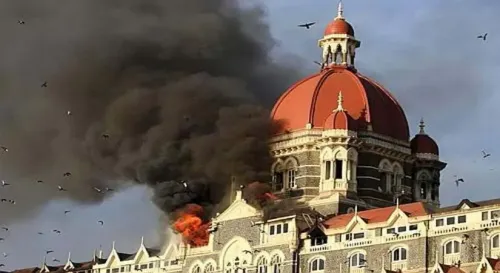
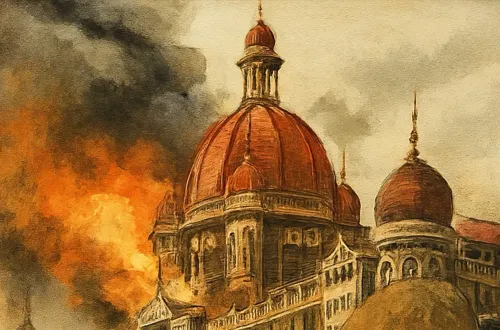
Shoaib Shaikh , a driver, was shot dead near the Taj Mahal Palace Hotel during the 26/11 attacks in 2008 .
His brother Salim Shaikh said Shoaib was hit by five bullets after stepping out of his car amid the commotion.
The family was alerted by a call from Shoaib's own number around 9 or 9.30 pm and later recovered his body at St.
The attacks by 10 LeT terrorists ran from 26 to 29 November 2008 , killing 166 and injuring about 300 .
Ajmal Amir Kasab , the lone captured attacker, was sentenced to death in 2010 and executed in 2012 .
Eighteen years after the 26/11 Mumbai terror attacks, the family of Shoaib Shaikh, a driver shot dead near the Taj Mahal Palace Hotel, still lives with the trauma of that night. Speaking on the anniversary, 26 November 2026, his brother Salim Shaikh recalled how Shoaib was hit by five bullets while on duty, as Lashkar-e-Taiba (LeT) operatives attacked Mumbai, and described the confusion that followed at a city hospital.
Shot While on Duty
According to Salim, Shoaib was working as a driver and was inside his vehicle when the attack began on 26 November 2008. As commotion broke out around him, he stepped out of the car briefly to see what was happening and was shot.
“Our brother used to drive. He was on duty. So when he was on duty, this terrorist attack happened, and he was also in the car. When he stepped slightly out of the car to see what was happening amid the commotion and running around, he was shot. He was hit by five bullets at once, all on one side. And they took him to St. George Hospital,” Salim said.
A Phone Call and a Search Through Chaos
The family learnt what had happened from a phone call made from Shoaib's own number at around 9 or 9.30 pm, informing them that he had been found lying injured.
“When we got a phone call at night, around 9 or 9.30, a call came from our brother's number saying, ‘Brother, there is someone named Shoaib Shaikh lying here.’ So we rushed over, and then we learned he had been taken to St. George Hospital,” he said.
At St. George Hospital, the family found frantic activity and confusion as they looked for him. “There was a lot of running around and chaos. Then, after searching around, we retrieved our brother's body from there, and when we went to see him, he had already passed away,” Salim recalled.
Memories That Have Not Faded
Salim said nearly two decades have done little to dull the memory of that night for him or his family. “Since then, we haven't been able to forget that atmosphere to this day, neither I nor my family. A terrorist will always remain a terrorist, and a traitor would remain a traitor,” he said.
His account is a reminder that, behind the official casualty count, many of those killed were ordinary working people caught in the line of fire.
The Four-Day Siege of Mumbai
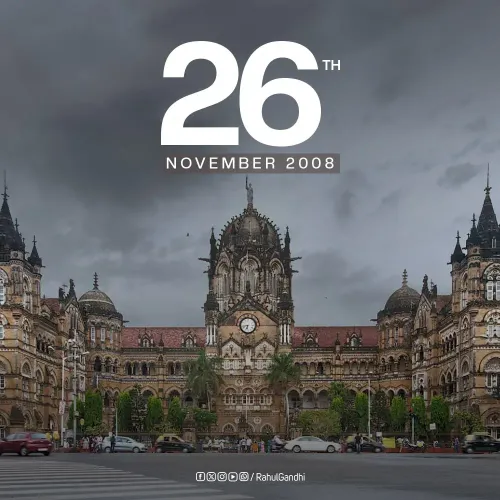
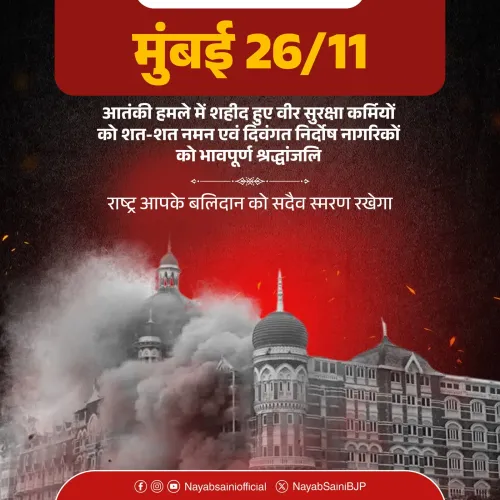
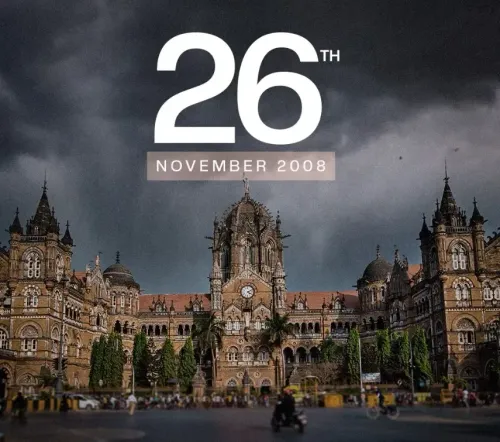
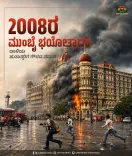
The attacks were carried out by 10 terrorists linked to the Pakistan-based LeT. They began on the night of 26 November 2008 and continued until 29 November. The attackers struck several prominent sites across the city, including Chhatrapati Shivaji Terminus railway station, Leopold Cafe, two hospitals, Nariman House, and the Taj Mahal Palace and Oberoi-Trident hotels.
The siege killed 166 people and injured around 300. Security forces killed nine of the 10 attackers. Ajmal Amir Kasab, the only one captured alive, was sentenced to death in 2010 and executed in 2012.
The attacks remain one of the darkest chapters in India's history. Each anniversary honours the lives lost and the sacrifices of the security personnel who ended the siege. For families like the Shaikhs, the date marks a loss that has not ended.
Point of View
While the drivers, vendors and workers who died on the streets are left out. Salim Shaikh's account restores one of those people to the story: a man shot at his job while trying to understand what was happening around him. The chaos his family describes at St. George Hospital also shows how unprepared the city's emergency systems were that night. The real test of remembrance is whether those lessons in crisis response and support for victims' families have been learnt.
NationPress
26 Nov 2026
Frequently Asked Questions
Who was Shoaib Shaikh?
Shoaib Shaikh was a driver killed near the Taj Mahal Palace Hotel during the 26/11 Mumbai attacks in 2008. According to his brother Salim, he was hit by five bullets after stepping out of his car to see what was happening.
What did Salim Shaikh say on the 26/11 anniversary?
Salim said his family has never been able to forget the atmosphere of that night. He added, “A terrorist will always remain a terrorist, and a traitor would remain a traitor.”
How many people died in the 26/11 Mumbai attacks?
The four-day siege killed 166 people and injured around 300. It was carried out by 10 terrorists linked to the Pakistan-based Lashkar-e-Taiba.
Which places were attacked on 26/11?
The attackers targeted Chhatrapati Shivaji Terminus, Leopold Cafe, two hospitals, Nariman House, and the Taj Mahal Palace and Oberoi-Trident hotels. The attacks lasted from 26 to 29 November 2008.
What happened to Ajmal Kasab?
Ajmal Amir Kasab was the only one of the 10 attackers captured alive. He was sentenced to death in 2010 and executed in 2012.