Karnataka CMO marks 26/11, vows never to bow to terror
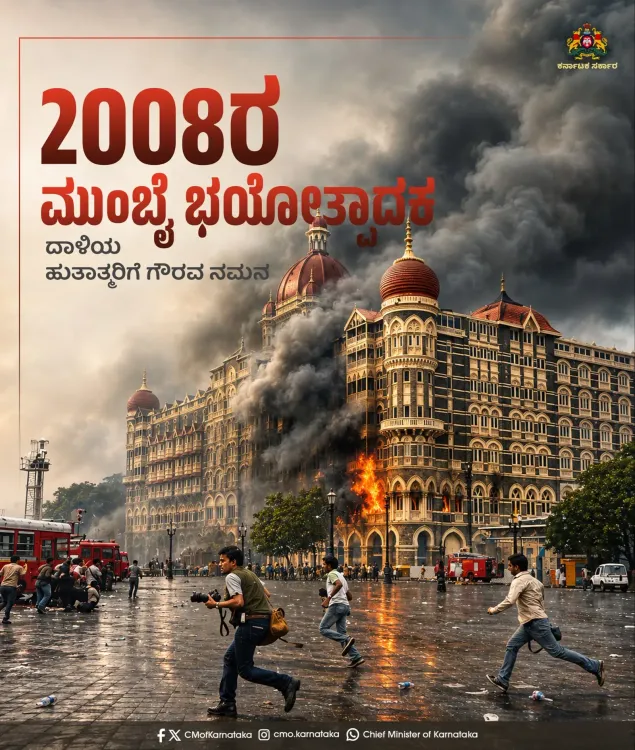
Synopsis
The Chief Minister's Office of Karnataka marked the 26 November 2008 Mumbai terror attacks as a dark chapter in India's history, honoured civilians and security personnel who were killed, and called for a stronger national resolve never to yield to terrorism.
Key Takeaways
The Chief Minister's Office of Karnataka marked 26 November 2008 as an unforgettable dark chapter in India's history.
The office paid tribute to civilians killed in the Mumbai attacks and to security personnel who died defending the nation.
It called for a national resolve never to yield to terrorism and to strengthen peace, unity and citizen safety.
The coordinated Lashkar-e-Taiba assault on Mumbai killed 166 people, including foreign nationals.
The attacks led to the National Investigation Agency Act, 2008 and a lasting annual pattern of official remembrance.
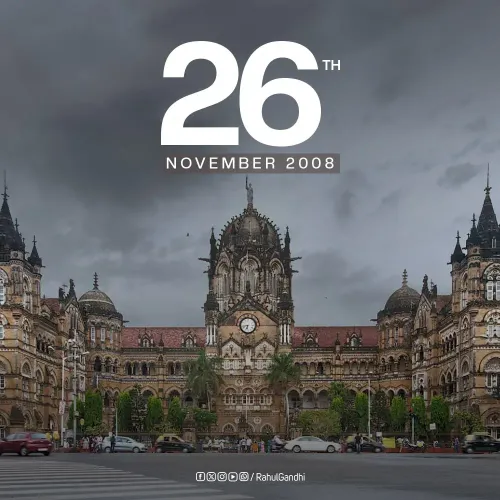
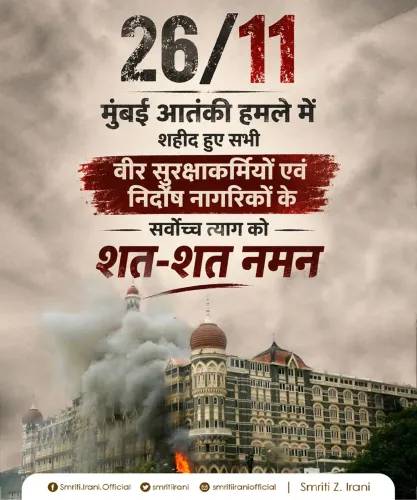
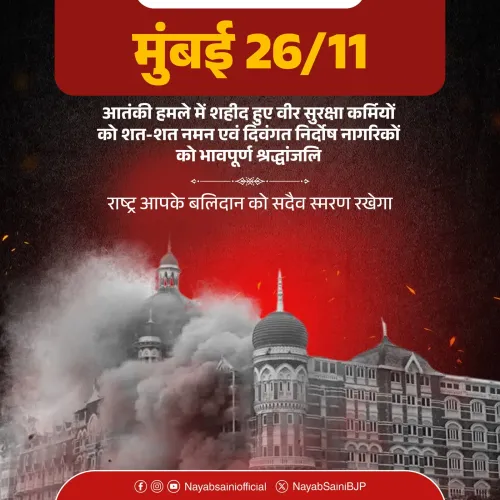
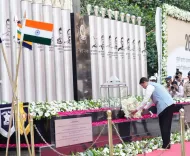
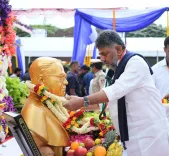
The siege that still defines India's terror calendar returned to official memory on Thursday as the Chief Minister's Office of Karnataka named 26 November 2008 a dark chapter the country will not erase. In a tribute to civilians killed in Mumbai and to the security personnel who died defending the city, it asked Indians to harden peace, unity and public safety under a national resolve never to bow to terrorism.
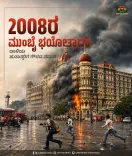
Writing in Kannada, the office said the terrorist attack on Mumbai on that date was an unforgettable dark chapter in the nation's history. It added that the sacrifice of innocents who lost their lives, and of the brave soldiers who offered their lives for the country's defence, would remain indelible in India's memory.
The closing line of the post, in translation, was a pledge and a task: 'Along with the national resolve never to yield to terrorism, let us further strengthen the responsibility of protecting peace, unity and the safety of citizens.'
How Lashkar-e-Taiba tore through Mumbai
On 26 November 2008, militants of Lashkar-e-Taiba struck hotels, a railway station and other sites in a coordinated assault that killed 166 people, including foreign nationals. That is the record the Karnataka office was marking: not an abstraction, but a city under siege and a death toll that still sits in the national ledger.
The post's own phrase, ಕರಾಳ ಅಧ್ಯಾಯ (dark chapter), is how the office chose to hold that night. It is also how Indian administrations have spoken of 26/11 year after year: name the wound, honour the fallen, restate the refusal to yield.
The NIA Act and a rewritten security map
The attacks did more than scar a city. They rewrote the map of India's internal security. Parliament passed the National Investigation Agency Act, 2008, creating the NIA to investigate terror-related crime across state lines. Coastal watch became a standing concern after the sea-borne landing that opened the assault.
State governments and the Centre now mark 26 November with official statements in a consistent pattern: public remembrance tied to that post-2008 architecture. The Karnataka message sits in that line. Tribute first. Then a call to thicken the everyday work of keeping citizens safe.
What the Karnataka pledge actually asks
The office announced no new statute and named no fresh inquiry. It asked for a thicker compact: never yield to terrorism, and strengthen the duty of protecting peace, unity and the safety of ordinary people. Parliamentary and state reviews of anti-terror laws and coastal upgrades remain the practical tests of that language.
Mumbai's names still travel across state borders because the attack was never only a Maharashtra story. The dead of 26/11 are remembered in Kannada as in every other Indian language. The test is whether the resolve named in the post still shows up in law, in coastal watch, and on ordinary streets.
Point of View
Not merely condolence notes. The Karnataka message fits a post-2008 arc that runs from the creation of the NIA to coastal and internal-security upgrades that still surface in legislative reviews. Naming the dead in Kannada also underlines that the Mumbai siege is treated as a national trauma, not a city file. The political test is whether that resolve is matched by the next round of anti-terror and coastal-security scrutiny.
NationPress
26 Nov 2026
Frequently Asked Questions
What did the Karnataka Chief Minister's Office say on 26/11?
The office called the 26 November 2008 Mumbai terrorist attack an unforgettable dark chapter in India's history and said the sacrifice of civilians and security personnel would remain indelible. It urged a national resolve never to yield to terrorism while strengthening peace, unity and citizen safety.
When did the 26/11 Mumbai attacks take place?
The coordinated terrorist attacks began on 26 November 2008 and targeted hotels, a railway station and other sites in Mumbai. Militants of Lashkar-e-Taiba carried out the assault.
How many people were killed in the 26/11 Mumbai attacks?
The attacks killed 166 people, including foreign nationals. The Karnataka office's tribute was framed around those civilian deaths and the security personnel who died defending the city.
Why was the National Investigation Agency created?
The NIA was created through the National Investigation Agency Act, 2008, after the Mumbai attacks, to investigate terror-related crimes across state lines. Coastal security also became a standing national concern after the sea-borne landing that opened the siege.
Why do Indian governments mark 26 November every year?
Indian governments and state administrations issue official statements each year to remember the dead, honour security forces, and reaffirm the country's resolve against terrorism. The Karnataka CMO post follows that established national pattern of public remembrance.