Over 300 Afghan Refugees Detained in Swabi Raids
Synopsis
In a recent crackdown, police in Swabi detained over 300 illegal Afghan refugees. This operation raises concerns about the humanitarian implications of repatriation efforts and the challenges faced by refugees who have lived in Pakistan for decades.
Key Takeaways
Over 300 illegal Afghan refugees were detained in Swabi.
The operation is part of a larger crackdown on undocumented migrants.
Many Afghan refugees have lived in Pakistan for decades.
Criticism arises over the humanitarian implications of forced deportations.
Concerns about Afghanistan's ability to resettle returnees are growing.
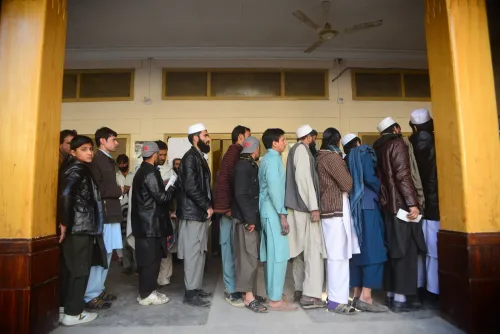
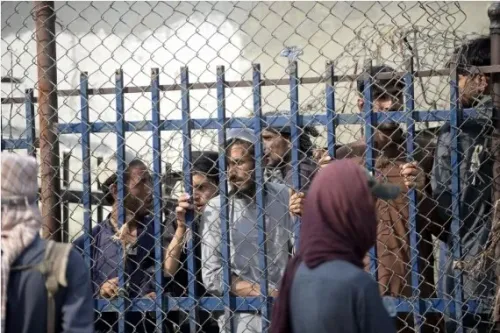
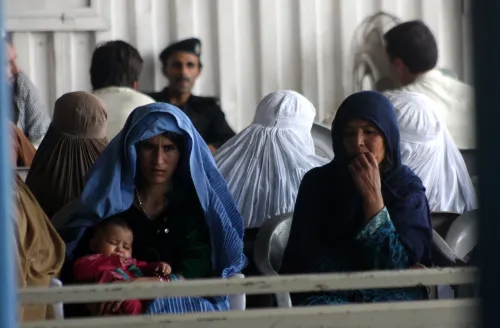
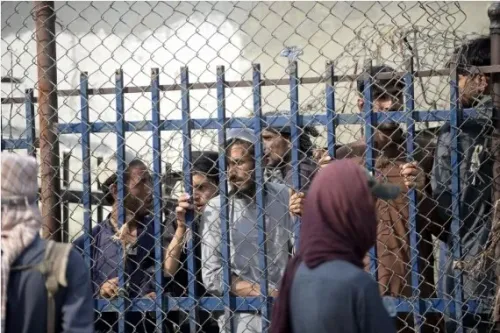
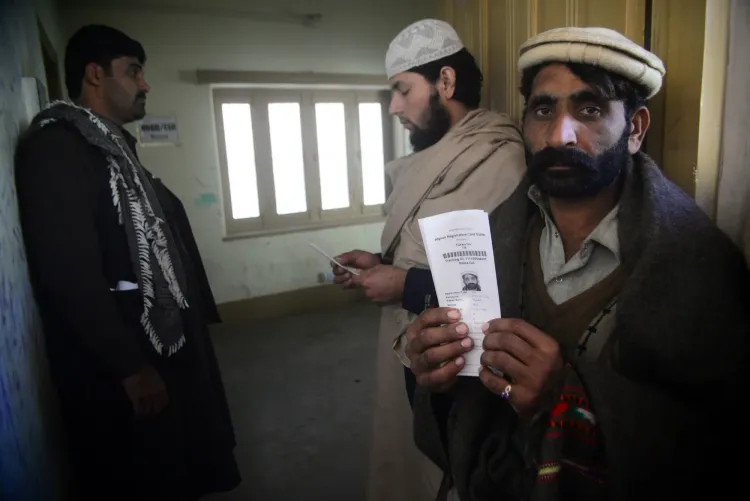
Islamabad, March 16 (NationPress) In a significant operation, police have apprehended over 300 illegal Afghan refugees during coordinated raids across different areas in the Swabi district of Khyber Pakhtunkhwa, Pakistan, according to reports from local media on Monday.
This crackdown was initiated following a directive from district administration and police authorities aimed at the deportation of illegal Afghan nationals, as reported by daily Dawn. Law enforcement officials had instructed Station House Officers (SHOs) to compile data on all undocumented Afghan individuals within their respective jurisdictions.
During the raids executed on Sunday in the tehsils of Topi, Razaar, Chota Lahor, and other regions of Swabi, a total of 341 Afghan refugees were detained. Sources indicate that these operations will persist, targeting all Afghan refugees residing illegally in Swabi for deportation back to Afghanistan.
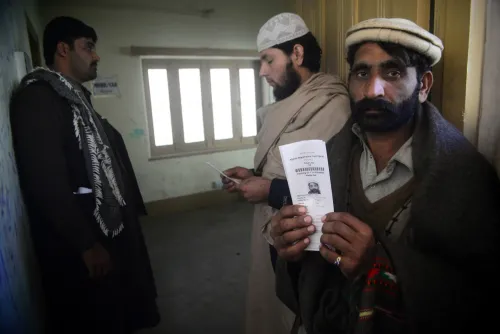
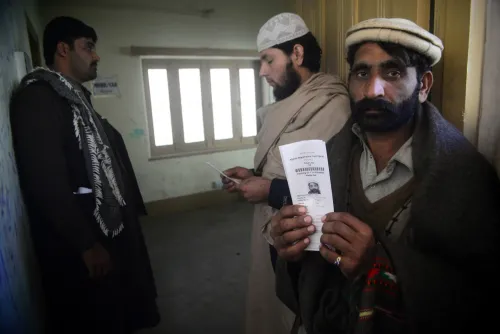
Currently, approximately 30,000 Afghan refugees inhabit various areas of Swabi, with many possessing valid documentation, while others remain undocumented. Reports indicate that these individuals are mostly located in the Gandaf and Gohati Refugees Camps, with a significant number also residing in farming fields and urban locales, as per Dawn.
In recent months, the district administration has intensified efforts to expedite the repatriation of Afghan refugees, according to insider sources. It was also noted that the district administration had recently closed all commercial establishments within the Gohati refugee camp. Refugees expressed their concerns, claiming that shutting down their businesses abruptly is challenging, given that many have built their livelihoods over the past 40 years.
Previously in February, Ataullah Omari, Afghanistan's Minister of Agriculture, Irrigation, and Livestock, criticized neighboring countries for their policies regarding the deportation of Afghan refugees. He asserted that these actions violate humanitarian principles, human rights, and refugee rights.
Omari highlighted that since the expulsion process began, over 4.5 million Afghan refugees have returned to Afghanistan from various countries, as reported by Afghanistan-based media outlet Tolo News. He remarked, "Our brothers were forcibly expelled from their homes. They were hosted for nearly 40 years, only to be ultimately deported in violation of humanitarian principles."
This statement emerged amidst ongoing deportations of Afghan refugees by Pakistan and Iran, raising concerns about Afghanistan's ability to accommodate the returnees. Some recently repatriated Afghan refugees reported being forcibly deported without the chance to collect their belongings, leaving everything behind.
Point of View
The humanitarian impact on those affected cannot be overlooked, raising critical questions about the future of these individuals.
NationPress
7 Oct 2026
Frequently Asked Questions
Why were Afghan refugees detained in Swabi?
The police initiated raids to detain illegal Afghan refugees following a directive from the district administration aimed at deportation efforts.
How many Afghan refugees are currently in Swabi?
Approximately 30,000 Afghan refugees reside in various parts of Swabi, with a mix of documented and undocumented individuals.
What has been the response from Afghan officials regarding deportations?
Afghanistan's Minister of Agriculture criticized the deportation policies of neighboring countries, stating they violate humanitarian principles and human rights.
What challenges do Afghan refugees face during repatriation?
Many refugees report difficulties, including the inability to collect their belongings and the abrupt closure of their businesses in host countries.
What are the implications of these deportations for Afghanistan?
The mass return of refugees poses significant challenges for Afghanistan in terms of resettlement and integration, raising concerns about the country's capacity to accommodate them.