Intensified Measures Against Undocumented Afghan Refugees in Khyber Pakhtunkhwa Post-Eid
Synopsis
As Pakistan gears up for a crackdown on undocumented Afghan refugees in Khyber Pakhtunkhwa following Eid, the situation intensifies. With ongoing repatriation efforts and renewed law enforcement actions, the fate of many refugees hangs in the balance. Stay informed on this evolving story.
Key Takeaways
Crackdown on undocumented Afghan refugees to intensify post-Eid.
Temporary halt on arrests was in place during Eid celebrations.
Voluntary repatriation drive for Afghan nationals starts soon.
Focus on mixed-status cases and business owners among refugees.
Approximately 30,000 Afghan refugees currently in Swabi.
Islamabad, March 24 (NationPress) A significant escalation in the crackdown on undocumented Afghan refugees in Pakistan's Khyber Pakhtunkhwa is anticipated to occur following the Eid holidays, according to credible sources, as reported by local media on Tuesday.
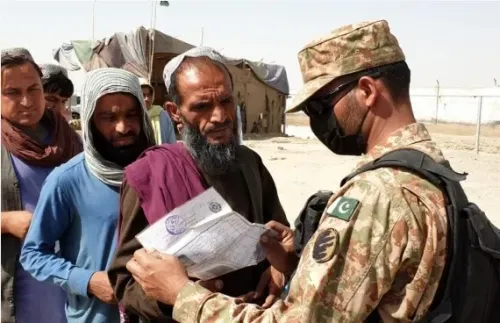
Authorities had previously instituted a temporary suspension on arrests during the Eid celebrations to permit families to observe the festival without disruption. With the conclusion of Eid festivities, law enforcement is prepared to recommence stringent actions aimed at Afghan refugees lacking valid documentation, as highlighted by Pakistan's prominent daily, The Express Tribune.
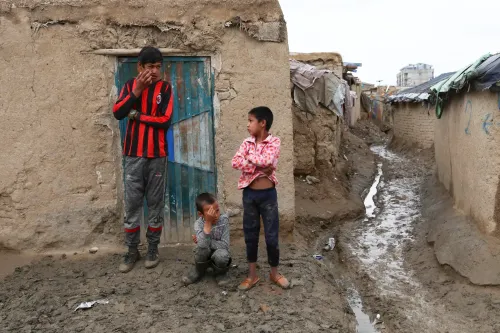
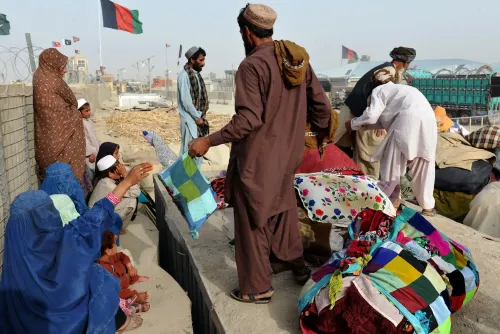
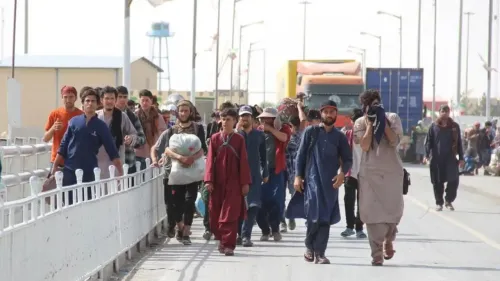
The cessation of operations aimed at dismantling nine Afghan refugee camps, paused during Eid, is set to resume shortly thereafter. In parallel, a voluntary repatriation initiative for Afghan nationals is scheduled to commence on Wednesday, promoting the return of those wishing to go back to Afghanistan.
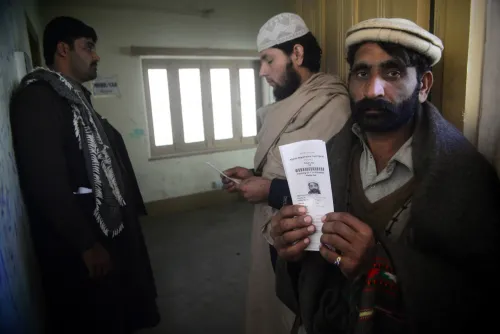
Policies are being established to evaluate the future status of Afghan refugees with citizenship cards. A new survey to refresh refugee data is proposed in Peshawar, as reported by The Express Tribune. This effort will particularly focus on refugees engaged in business, those who have acquired Pakistani documents unlawfully, Afghan women married to Pakistani men, and other mixed-status cases.
On March 15, police apprehended over 300 illegal Afghan refugees during operations across various regions of Swabi district in Khyber Pakhtunkhwa, according to local media reports.
This crackdown was initiated following a decision by district administration and police officials to deport illegal Afghan residents, as reported by daily Dawn. Police have instructed Station House Officers (SHOs) to maintain records of all illegal Afghan residents within their police station jurisdictions.
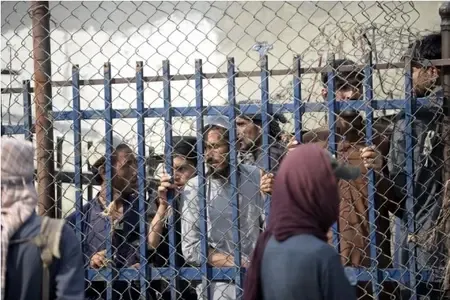
Sources indicate that 341 Afghan refugees were detained during raids executed in Topi, Razaar, Chota Lahor tehsils, and additional areas of Swabi on March 15. It was noted that such raids will persist, with all Afghan refugees illegally residing in Swabi facing detention and deportation to Afghanistan.
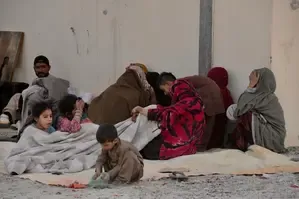
Approximately 30,000 Afghan refugees remain in various locations within Swabi, most of whom possess valid documentation, while others are residing illegally. Reports suggest that these refugees are living in Gandaf Refugees Camp and Gohati Refugees Camp, with many also settled in farming fields and urban areas, according to Dawn.
Point of View
Necessitating a careful and compassionate response.
NationPress
21 Sept 2026
Frequently Asked Questions
What actions are being taken against Afghan refugees in Khyber Pakhtunkhwa?
Authorities are intensifying a crackdown on undocumented Afghan refugees, resuming operations to dismantle refugee camps and conducting raids to detain illegal residents.
What has prompted this crackdown?
The crackdown follows a temporary halt during Eid celebrations and is part of a broader initiative to manage undocumented immigration and facilitate voluntary repatriation.
How many Afghan refugees are currently in Swabi?
There are approximately 30,000 Afghan refugees in Swabi, with a mix of documented and undocumented residents.
What is the voluntary repatriation initiative?
This initiative encourages Afghan nationals wishing to return to Afghanistan, providing them with a structured process for repatriation.
Will there be support for Afghan refugees with valid documentation?
Yes, authorities are implementing policies to assess the status of Afghan refugees with citizenship cards and ensure their future in Pakistan.