Afghanistan: 4 killed, 32 wounded in Badakhshan clashes over poppy, mining
Synopsis
Four people are dead and 32 wounded across four districts of Badakhshan after clashes rooted in Taliban poppy eradication drives and mining control disputes. With roads blocked, extra forces deployed, and analysts calling it one of the most unstable areas under Taliban rule, the province is a window into how economic grievances are fuelling armed resistance in rural Afghanistan.
Key Takeaways
Four people were killed and 32 wounded in clashes across Badakhshan province on 11 May 2025 .
Two killed and eight wounded in Argo district during Taliban poppy field destruction operations.
Two killed and 10 wounded in Shukai district over mining site disputes.
11 wounded in Khash district and three in Jurm district amid armed resistance activity.
Taliban deployed additional forces across Badakhshan; residents blocked roads to Khash district.
Analysts describe Badakhshan as "one of the most unstable areas under Taliban control" due to economic survival disputes.
At least four people were killed and 32 wounded in a series of clashes across Badakhshan province in northeastern Afghanistan on Monday, 11 May, local media reported. The violence, spanning multiple districts, reportedly stemmed from disputes over poppy cultivation, mining site control, and armed resistance against Taliban forces.
Key Developments
According to Afghan media outlet Amu TV, the clashes were driven by "separate disputes involving poppy cultivation, control of mining sites and what sources described as armed resistance against the Taliban." The incidents unfolded across at least four districts, with casualties reported in each.
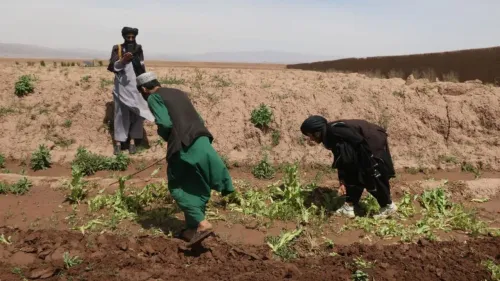
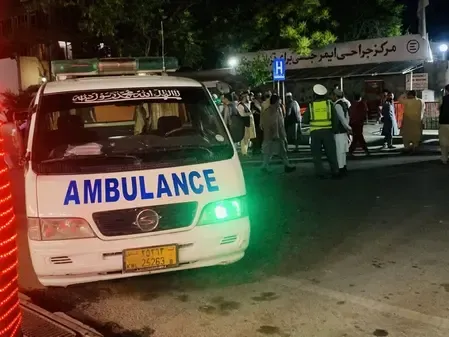
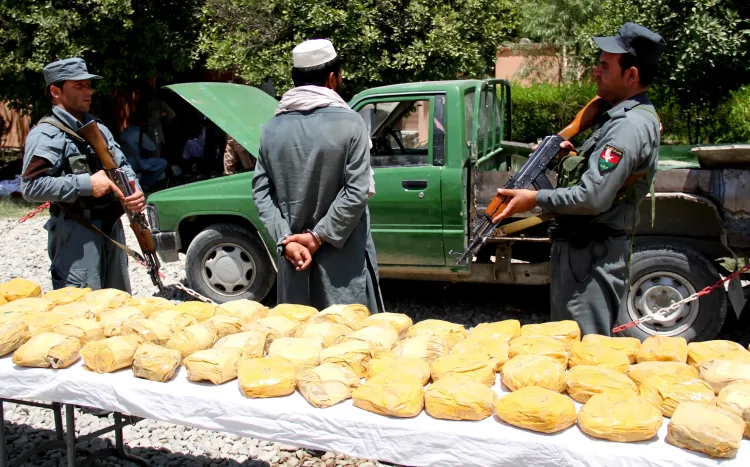
In the Argo district, two people were killed and eight wounded during confrontations linked to Taliban efforts to destroy poppy fields. In the Shukai district, another two people were killed and 10 wounded in clashes connected to mining operations. In the Khash district, 11 people were wounded during clashes between local residents and Taliban forces, while three were wounded in the Jurm district amid armed resistance activity.
Why Badakhshan Is a Flashpoint
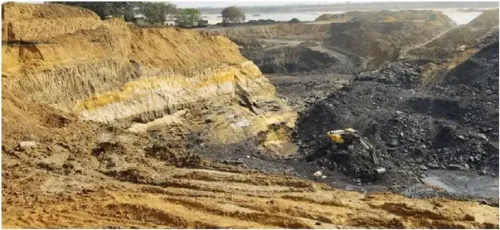
Badakhshan has increasingly emerged as one of the most volatile provinces under Taliban control. The province contains significant deposits of gold and other minerals, and disputes over access to mining sites have, according to Amu TV, "increasingly fueled armed confrontations involving local residents, commanders and Taliban-linked figures."
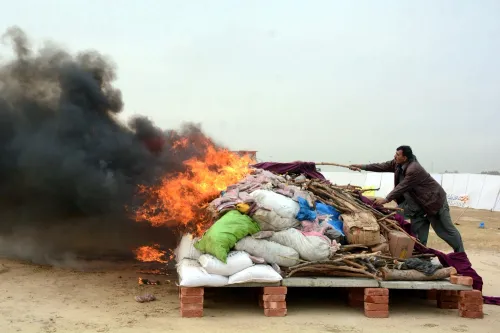
Poppy cultivation, meanwhile, remains a critical source of income for rural communities across the region. The Taliban's campaign to eliminate it has triggered protests and deadly clashes in several districts. Analysts cited in reports have described disputes over economic survival as having made Badakhshan "one of the most unstable areas under Taliban control."
Community Response and Taliban Deployment
Local residents said tensions remained high across several districts following Monday's violence. Some roads leading to the Khash district were reportedly blocked by residents, and communities across the province were described as being on high alert. In response to the unrest, the Taliban deployed additional forces to parts of Badakhshan.
Historical Pattern
This is not the first time the province has witnessed large-scale unrest. Similar confrontations last year resulted in casualties, mass arrests, and days of demonstrations against Taliban authorities. The recurrence of violence points to a deepening structural conflict between Taliban governance priorities and the economic realities of rural communities dependent on poppy farming and artisanal mining.
With tensions unresolved and additional forces now in the field, the situation in Badakhshan is expected to remain fragile in the days ahead.
Point of View
While mining disputes pit local communities against Taliban-linked commanders seeking resource rents. The pattern — clashes, mass arrests, demonstrations, repeat — has now played out across multiple cycles. What is missing from the Taliban's approach is any credible economic alternative, and without one, Badakhshan will continue to bleed. The international community's silence on these localised conflicts risks allowing a slow-burning humanitarian and governance crisis to deepen unnoticed.
NationPress
24 Sept 2026
Frequently Asked Questions
What caused the clashes in Badakhshan, Afghanistan on 11 May 2025?
The clashes stemmed from three separate disputes: Taliban efforts to destroy poppy fields, conflicts over control of mining sites, and armed resistance against Taliban forces. At least four people were killed and 32 wounded across four districts of Badakhshan province.
Which districts in Badakhshan were affected?
Four districts reported casualties — Argo, Shukai, Khash, and Jurm. The deadliest incidents occurred in Argo and Shukai, where two people were killed in each location.
Why is Badakhshan considered volatile under Taliban rule?
Badakhshan holds significant gold and mineral deposits, making mining control a recurring flashpoint. Combined with the Taliban's poppy eradication campaign — which strips rural communities of their main income source — the province has seen repeated cycles of clashes, arrests, and protests, leading analysts to call it one of the most unstable areas under Taliban control.
How did the Taliban respond to the unrest?
The Taliban deployed additional forces to parts of Badakhshan following the clashes. Separately, local residents blocked some roads leading to the Khash district in response to the violence.
Has Badakhshan seen similar violence before?
Yes. Similar confrontations last year resulted in casualties, mass arrests, and days of demonstrations against Taliban authorities. The recurrence points to an unresolved structural conflict between Taliban governance and the economic survival needs of rural communities.