Afghan police destroy 400 acres of poppy fields in Baghlan province
Synopsis
Afghan police have razed nearly 400 acres of poppy fields in Baghlan province, the latest in a string of counter-narcotics operations that have also yielded 8,170 kg of heroin, 80 drug trafficking arrests, and a public burning of narcotics in Khost — signalling a sustained enforcement push across multiple provinces.
Key Takeaways
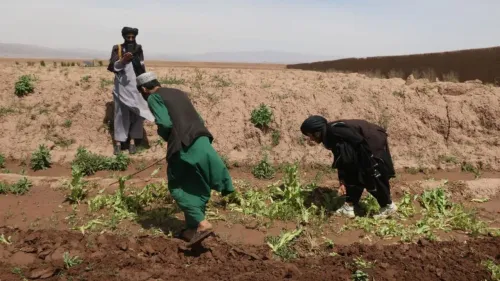
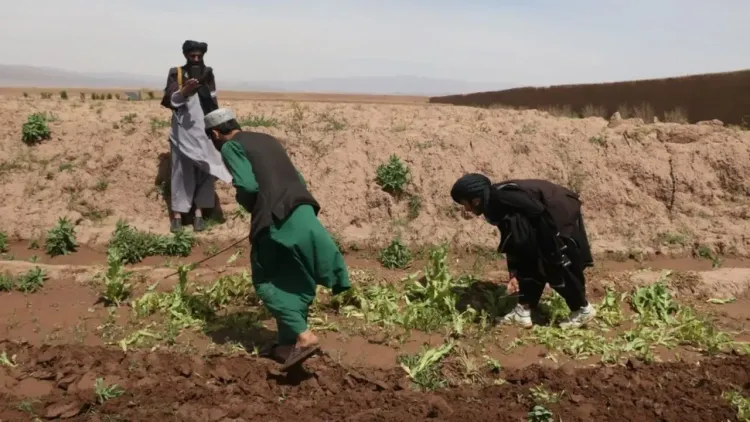
Afghan police destroyed nearly 400 acres of poppy fields in Baghlan province on 10 May 2025 .
Counter-narcotics forces seized approximately 8,170 kg of heroin in Helmand province last week.
On 2 May , 55 kg of methamphetamine was confiscated in Nimroz province .
80 individuals were arrested on drug trafficking charges following coordinated raids on 26 April .
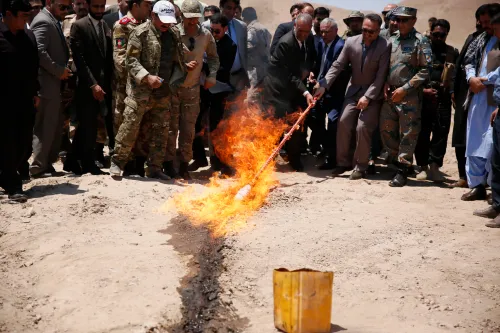
More than 100 kg of narcotics were publicly burned in Khost province on 15 April .
Afghan police have destroyed nearly 400 acres of poppy fields in northern Afghanistan's Baghlan province, the provincial police office confirmed in a statement on Sunday, 10 May. The eradication operations were carried out across several districts of the province as part of ongoing anti-narcotics efforts.
Key Developments in the Crackdown
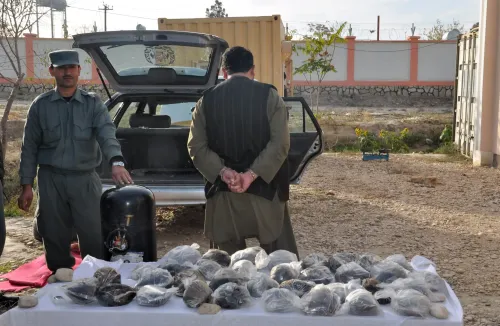
The Baghlan operation is the latest in a series of escalating counter-narcotics actions across Afghanistan. Last week, Afghan counter-narcotics forces seized approximately 8,170 kg of heroin, along with materials used in the processing and production of illegal drugs, during operations in the southern Helmand province. Helmand has historically been one of the world's largest opium-producing regions.
Earlier, on 2 May, security forces confiscated 55 kg of methamphetamine in Nimroz province in western Afghanistan, signalling that the crackdown extends beyond poppy cultivation to synthetic drug networks as well.
Arrests and Raids Across Multiple Provinces
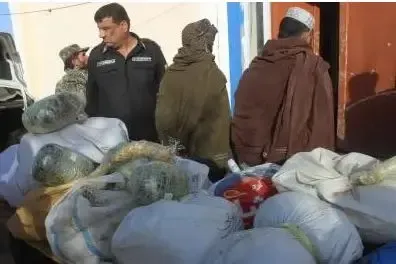
On 26 April, the Ministry of Interior Affairs announced that Afghan law enforcement had arrested 80 individuals on charges of drug trafficking following coordinated operations across multiple provinces. Counter-narcotics police conducted targeted raids resulting in the seizure of hashish, narcotic tablets, and heroin-production materials. Authorities described the arrests as part of a nationwide drive to dismantle drug distribution networks.
Public Burning in Khost Province
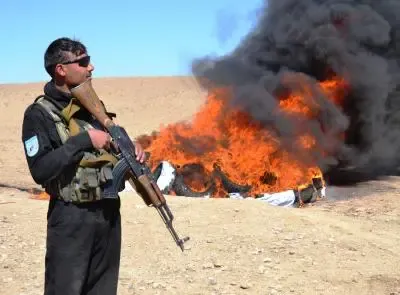
On 15 April, Qari Wahidullah Matawakil, provincial director for Counter-Narcotics in Khost province, said police publicly burned more than 100 kg of narcotics, including hashish, heroin, opium poppy, and thousands of stimulant tablets locally known as Tablet K. Matawakil warned that legal action would be taken against anyone found producing or smuggling illegal drugs in the province.
Broader Context and What's Next
Afghanistan has long been the world's largest producer of opium, though the Taliban administration has repeatedly stated its commitment to eradicating narcotics cultivation since taking control. Officials have reaffirmed their commitment to strengthening counter-narcotics operations and preventing the spread of illegal drugs across the country. This comes amid international scrutiny over whether enforcement actions translate into sustained reductions in production or merely displace cultivation to other regions. Further operations are expected as authorities continue their nationwide anti-narcotics campaign.
Point of View
Heroin seizures, methamphetamine busts, and mass arrests across at least five provinces in under a month — suggest a coordinated enforcement posture rather than isolated actions. What remains unclear is whether this reflects a genuine structural shift in Afghanistan's narcotics economy or a performative crackdown designed to manage international perception. Afghanistan's opium output has historically proven resilient to eradication drives, with cultivation often shifting geographically rather than declining overall. Independent verification of these figures is not possible given restricted media access, which means the numbers, while officially stated, cannot be independently corroborated.
NationPress
26 Sept 2026
Frequently Asked Questions
Where did Afghan police destroy poppy fields?
Afghan police destroyed nearly 400 acres of poppy fields in Baghlan province in northern Afghanistan, according to the provincial police office on 10 May 2025. The eradication operations were carried out across several districts of the province.
How much heroin was seized in Afghanistan recently?
Counter-narcotics forces seized approximately 8,170 kg of heroin, along with drug-processing materials, during operations in southern Helmand province. The seizure was reported as part of continued efforts to combat drug trafficking networks.
How many people were arrested for drug trafficking in Afghanistan?
Afghan law enforcement arrested 80 individuals on drug trafficking charges on 26 April, following coordinated raids across multiple provinces. The arrests targeted distribution networks and resulted in seizures of hashish, narcotic tablets, and heroin-production materials.
What is Tablet K in Afghanistan?
Tablet K is a locally used term for stimulant tablets — a type of illegal drug that has been seized and publicly destroyed by Afghan counter-narcotics authorities. In Khost province on 15 April, thousands of such tablets were burned alongside heroin, hashish, and opium poppy.
Is Afghanistan's counter-narcotics crackdown new?
No — Afghanistan has conducted periodic anti-narcotics operations for years, but the current push spans multiple provinces simultaneously and includes eradication, seizures, and mass arrests within weeks of each other. Afghanistan has historically been the world's largest opium producer, and the effectiveness of such drives in achieving lasting reductions remains a subject of international debate.