Is the Rise of Poppy Cultivation in Pakistan a Growing Security Threat?
Synopsis
The alarming rise in poppy cultivation in Pakistan's Balochistan province is raising urgent security alarms. This situation is not just a local concern but a potential threat to the entire region, driven by governance failures and the evolving narcotics market. What does this mean for Pakistan's future?
Key Takeaways
Poppy cultivation is rapidly increasing in Balochistan.
Governance failure is a key factor in this rise.
Pakistan has emerged as a major supplier of opium.
The situation poses a serious security threat to the region.
Corruption may be enabling continued cultivation.
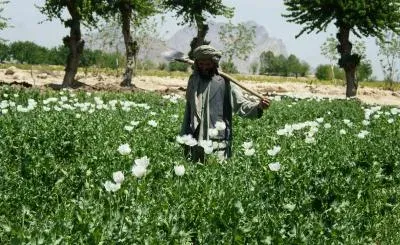
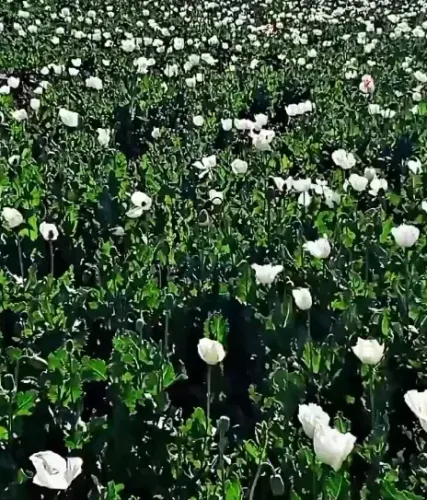
Dhaka, Dec 5 (NationPress) The increase in poppy cultivation throughout Pakistan's Balochistan province has surfaced as a significant regional security concern, characterized by deteriorating governance, blurred distinctions between state and non-state actors, and a narcotics market transformed by Afghanistan’s opium prohibition, as reported on Friday.
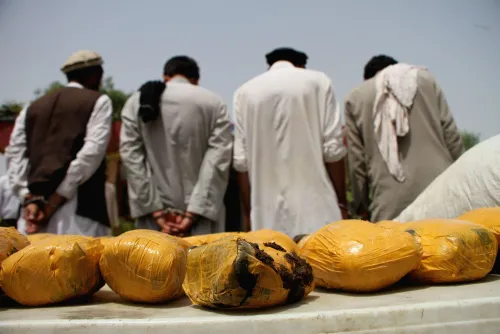
A report from the Bangladeshi publication 'Blitz' warns that if this issue is not tackled promptly, it will intensify addiction rates within Pakistan, fund transnational violence, and jeopardize the stability of an already delicate region.
According to a recent investigation by the Financial Times, dwindling Afghan stockpiles have propelled Pakistan to become one of the world's top suppliers of opium.
Prominent figures in the insurgency-affected province, especially near the Afghan border, have cautioned that Balochistan is swiftly evolving into a crucial hub of the global opium network—bearing serious social, economic, and security implications for both Pakistan and the broader region.
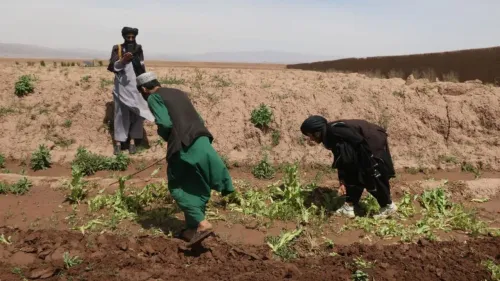
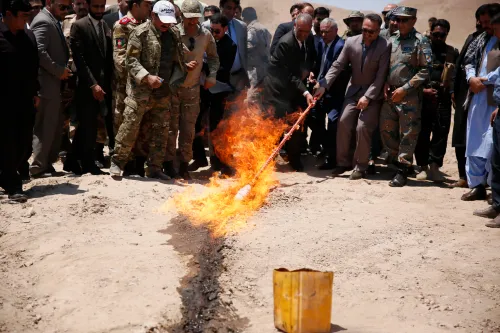
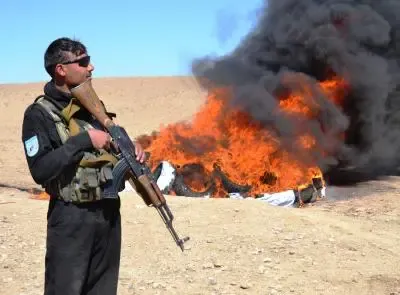
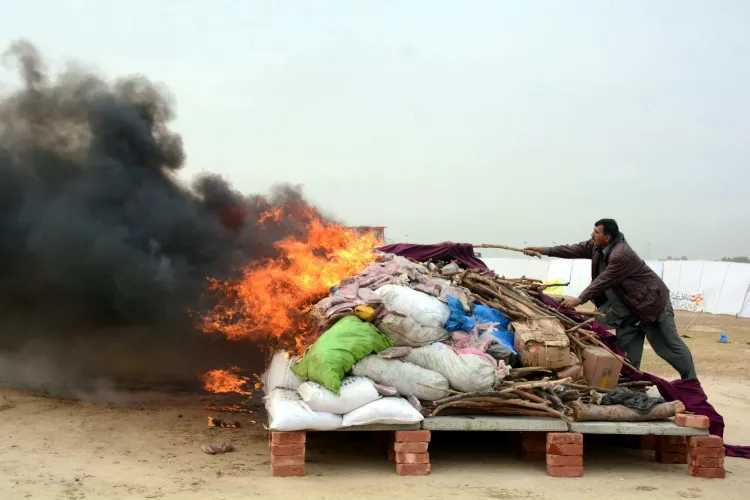
“The government of Islamabad claims to be taking decisive action against this escalation. The anti-narcotics force, local police, and provincial authorities have all initiated substantial crackdowns on poppy cultivation and drug trafficking. These operations are reportedly launched under the directives of the military chief and provincial government. However, the reality on the ground paints a far more alarming picture,” the report disclosed.
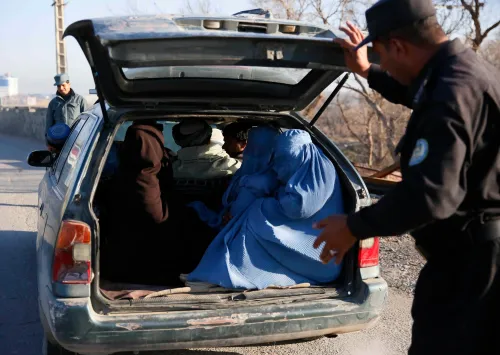
“Interviews and testimonies recorded by international and Pakistani media, alongside field research by organizations such as the Afghanistan Analyst Network, reveal that Afghan farmers who relocated to Balochistan for poppy cultivation report that Pakistani officials and militia groups do not hinder their farming; rather, they permit it in exchange for bribes,” it elaborated.
The report emphasized that this situation raises critical questions about how such a vast illegal economy can flourish in a province where the Pakistani military maintains extensive control through routine surveillance, counterinsurgency efforts, and population-monitoring initiatives.
“The assertion that Balochistan’s challenging terrain or insurgent activities inhibit effective state intervention is unconvincing, particularly when the same security forces regularly conduct targeted raids, detentions, and airstrikes in these very areas. If the Taliban—operating with limited resources and no conventional army—could enforce a nearly total ban on poppy cultivation across Afghanistan, it is hard to believe that Pakistan’s more advanced military and intelligence apparatus is unaware of the fields flourishing on its own territory,” the report concluded.
Point of View
It's crucial to recognize the complexities surrounding poppy cultivation in Balochistan. While the government claims to combat this issue, the persistence of illegal activities suggests systemic challenges that require deeper analysis and strategic action. The implications of this situation extend beyond regional security, impacting the socio-economic fabric of Pakistan. As we navigate this crisis, a comprehensive approach is essential to safeguard the nation's stability and future.
NationPress
2 Oct 2026
Frequently Asked Questions
What is causing the rise in poppy cultivation in Balochistan?
The rise in poppy cultivation is driven by deteriorating governance, blurred lines between state and non-state actors, and a reshaped narcotics market due to Afghanistan’s opium ban.
How does this affect regional security?
The surge in poppy cultivation poses serious security risks, potentially funding cross-border violence and deepening addiction within Pakistan, thereby undermining regional stability.
What actions are being taken by the government?
The government claims to be conducting major crackdowns on poppy cultivation and drug trafficking, though reports suggest that these efforts are insufficient and often hindered by corruption.
What role do Afghan farmers play in this situation?
Afghan farmers migrating to Balochistan for poppy cultivation report that they are allowed to continue their farming in exchange for bribes to local officials and militia groups.
Is the military involved in combating this issue?
Yes, the Pakistani military is involved, but the effectiveness of their operations is questioned, as illegal cultivation continues despite their presence.