Could 7.1 Million Global Cancer Cases Have Been Prevented?
Synopsis
A recent WHO report reveals that 7.1 million cancer cases globally could be avoided. The study identifies tobacco as the main preventable cause, urging for comprehensive strategies targeting lifestyle and environmental factors to curb cancer rates effectively.
Key Takeaways
7.1 million cancer cases could be avoided globally.
Tobacco is the leading preventable cause of cancer.
Infections are responsible for 10% of cancer cases.
Targeted strategies can significantly reduce cancer incidence.
Preventable cancer burden is higher in men than women.
New Delhi, Feb 4 (NationPress) A staggering 40% of cancer cases worldwide, totaling 7.1 million, are potentially preventable, as highlighted in a recent global study published by the World Health Organization (WHO) in collaboration with its International Agency for Research on Cancer (IARC). This insightful analysis was released on World Cancer Day, February 4.
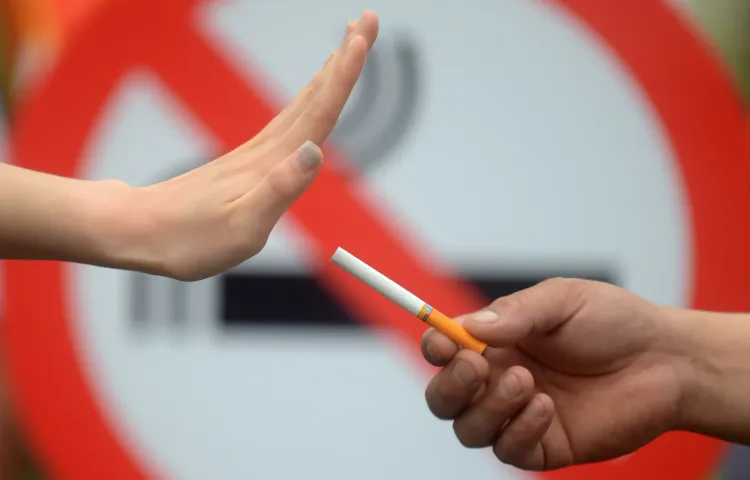
The report emphasizes tobacco as the primary preventable factor for cancer, accounting for 15% of all newly diagnosed cases globally.
Moreover, it uncovered that nine infections known to cause cancer contribute to approximately 10% of cancer incidences.
Additional risk factors include alcohol consumption, elevated body mass index, lack of physical activity, air pollution, and exposure to ultraviolet radiation.
This comprehensive analysis, which reviewed data from 185 countries and 36 types of cancer, found that an estimated 37% of new cancer cases in 2022, equating to about 7.1 million cases, were linked to preventable causes.
The analysis revealed that three specific cancer types—lung, stomach, and cervical cancer—together constituted nearly half of all preventable cancer cases across genders worldwide.
Lung cancer has been primarily associated with smoking and air pollution, while stomach cancer is largely linked to Helicobacter pylori infection, and cervical cancer is primarily caused by human papillomavirus (HPV).
Dr. Ilbawi, WHO Team Lead for Cancer Control and a study author, stated, "This is the first global analysis to reveal the proportion of cancer risk attributable to preventable causes." He further explained that by examining trends across nations and demographic groups, more tailored prevention information can be provided to governments and the public.
The report indicated that the burden of preventable cancer is significantly higher in men than women, with 45% of new cases in men compared to 30% in women.
In men, smoking contributed to an estimated 23% of all new cancer cases, followed by infections at 9% and alcohol at 4%. For women, infections accounted for 11% of new cases, with smoking at 6% and high body mass index at 3%.
The findings highlight the pressing need for targeted prevention strategies, which should encompass robust tobacco control, alcohol regulations, vaccination against cancer-causing infections like HPV and hepatitis B, enhanced air quality, safer work environments, and healthier food and physical activity options.
Addressing these preventable risk factors not only decreases cancer rates but also reduces long-term healthcare costs and boosts overall population health and well-being, as stated in the study.
Point of View
I find the findings of the WHO's recent analysis both alarming and enlightening. The clear identification of preventable factors underscores the importance of public health initiatives and personal responsibility in combating cancer. It’s crucial for our society to adopt preventive measures and advocate for policies that protect public health and well-being.
NationPress
28 Sept 2026
Frequently Asked Questions
What percentage of cancer cases can be prevented?
According to the WHO, up to 40% of cancer cases, equating to 7.1 million cases, can be prevented.
What is the leading cause of preventable cancer?
Tobacco is identified as the leading preventable cause, responsible for 15% of all new cancer cases globally.
What other factors contribute to cancer risk?
Other significant factors include alcohol , high body mass index, physical inactivity, air pollution, and ultraviolet radiation.
How can we prevent cancer?
Preventive measures should include strong tobacco control, alcohol regulation, vaccination against infections like HPV, and promoting healthier lifestyles.
Is cancer burden higher in men or women?
The burden of preventable cancer is notably higher in men, with 45% of new cases compared to 30% in women.