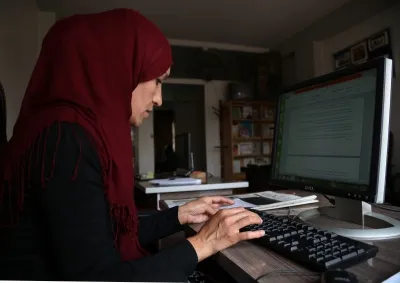
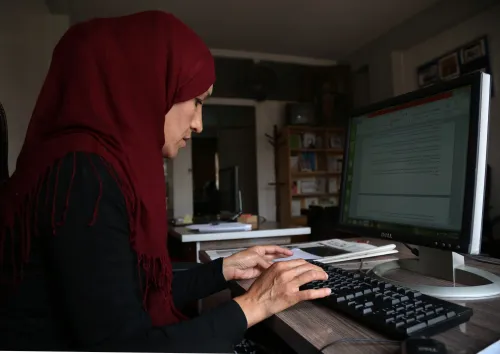
Why Was Afghan Journalist Ubaidullah Ahmadi Arrested in Islamabad?
Synopsis
The arrest of Afghan journalist Ubaidullah Ahmadi in Islamabad raises serious concerns about the safety of exiled journalists. As Pakistan intensifies efforts to deport undocumented migrants, rights groups urge the government to uphold press freedoms and protect those at risk.
Key Takeaways
Ubaidullah Ahmadi has been arrested in Islamabad.
The arrest highlights risks faced by exiled journalists .
Many Afghan journalists are at risk of deportation .
There is a lack of legal protection for Afghan media professionals.
International organizations are urging Pakistan to uphold press freedom .
Kabul, Jan 11 (NationPress) Ubaidullah Ahmadi, a freelance journalist from Afghanistan, has been apprehended by authorities in Islamabad, Pakistan. This incident raises significant alarm over the wellbeing of journalists in exile who may face compulsory deportation, according to local media reports.
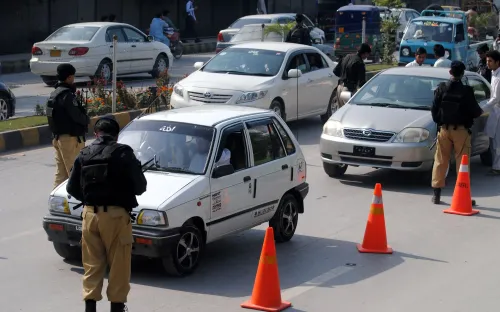
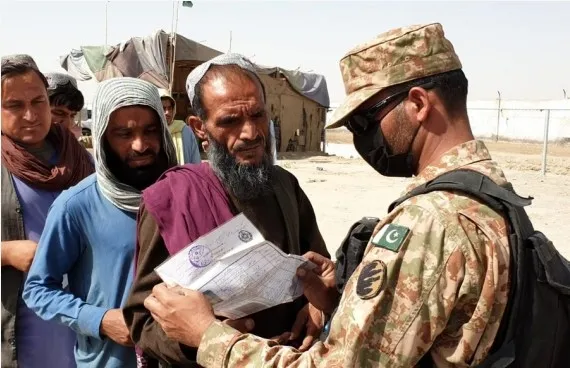
The circumstances surrounding Ahmadi's arrest remain ambiguous, and there has been no official commentary from the Pakistani police about this incident. His detention aligns with a broader effort by the Pakistani government to conduct house-to-house checks in Islamabad aimed at locating undocumented Afghan migrants eligible for detention and forced deportation, as reported by Afghanistan's news agency Khaama Press.
Media professionals and advocacy organizations observing the situation indicate that numerous Afghan journalists have been detained during these operations, most lacking any legal safeguards. This situation leaves them vulnerable to arrests, harassment, and potential deportation under Pakistan's strict immigration laws.
Many of the detained journalists have expressed that a forced return to Afghanistan poses a severe threat to their lives, given the ongoing dangers from current authorities. The arrest of Ahmadi has reignited worries among human rights advocates and media groups, who have consistently urged Pakistan to protect exiled journalists and honor its commitments to press freedom.
In December 2022, the media watchdog Reporters Without Borders (RSF) reported that Pakistan forcibly sent back at least 20 Afghan journalists to Afghanistan in 2025, violating international refugee protections, as noted by Afghan media outlet Amu TV.
RSF’s documentation, alongside Pakistani media sources, asserted that the expulsion of Afghan journalists constitutes a clear violation of the international principle of non-refoulement. It highlighted that numerous other Afghan journalists residing in Pakistan face threats of arrest, extortion, and immediate deportation.
Approximately 200 Afghan journalists fled to Pakistan following threats from the Taliban after the group seized power in Afghanistan in 2021. Many of these individuals are awaiting relocation to Western countries with the support of RSF; however, the process has faced significant delays, leaving applicants in a state of legal uncertainty.
RSF indicated that since mid-2025, Pakistan has seldom issued residency permits to Afghans, putting thousands, including journalists, at risk of being labeled as illegal. Furthermore, RSF noted a sharp rise in arbitrary arrests, detentions, and deportations of Afghan journalists over the past six months.
Point of View
It is vital to highlight the precarious situation of journalists in exile. The arrest of Ubaidullah Ahmadi exemplifies the growing challenges faced by media professionals in Pakistan. Upholding press freedom is essential, and it is imperative that authorities take immediate action to protect those who risk their lives to inform the world.
NationPress
3 Oct 2026
Frequently Asked Questions
What led to Ubaidullah Ahmadi's arrest?
The specific reasons for Ubaidullah Ahmadi's arrest remain unclear, and there has been no official statement from the Pakistani police regarding the situation.
How many Afghan journalists have been detained in Pakistan recently?
Numerous Afghan journalists have reportedly been detained during recent operations aimed at identifying undocumented migrants, with many lacking legal protection.
What are the risks faced by deported journalists?
Deported journalists face significant risks to their lives and safety due to ongoing threats from the Taliban and other authorities in Afghanistan.
What has Reporters Without Borders reported about Afghan journalists in Pakistan?
Reporters Without Borders has stated that Pakistan has forcibly returned at least 20 Afghan journalists to Afghanistan, violating international protections for refugees.
What is the current situation for Afghan journalists in Pakistan?
The situation for Afghan journalists in Pakistan is precarious, with many facing threats of arrest and deportation, amid increasing scrutiny from authorities.