Why is the Media Watchdog Concerned About Afghan Journalists Arrested in Pakistan?

Synopsis
The arrest of Afghan journalists in Pakistan raises serious concerns regarding freedom of expression and human rights. The Afghanistan Media Support Organisation demands their immediate release, urging international intervention. As deportations intensify, the vulnerability of these journalists and refugees is at stake.
Key Takeaways
The arrest of Afghan journalists in Pakistan raises serious human rights concerns.
The AMSO demands the immediate release of detained reporters.
International intervention is needed to protect Afghan journalists.
Over 110,000 Afghan refugees are facing deportation threats.
Pakistan has intensified deportation efforts since September 2023.
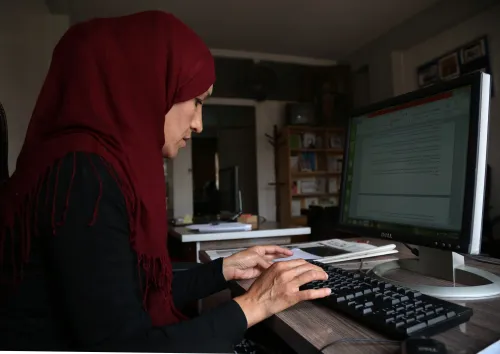
Kabul, Jan 16 (NationPress) A prominent Afghan media oversight organization has raised significant alarm regarding the frequent detention of Afghan journalists in Pakistan, calling for the swift release of three reporters currently in custody, according to local media reports on Friday.
In their statement, the Afghanistan Media Support Organisation (AMSO) revealed that two journalists were apprehended in Islamabad, while another was taken into custody in Peshawar. The detained journalists are identified as Abdulrahman Mangal, Asma Mohammadi, and Samim Naimi, as reported by Afghanistan's leading news agency, Khaama Press.
The AMSO highlighted that the apprehension of Afghan journalists in Pakistan, many of whom could face deportation, jeopardizes their safety, particularly if they are compelled to return to Afghanistan.
The organization condemned these arrests as a blatant infringement on freedom of expression, journalistic ethics, and human rights, urging Pakistani authorities to cease the harassment, detention, and forced deportation of Afghan journalists. Additionally, the AMSO called on the United Nations and other international entities to intervene.
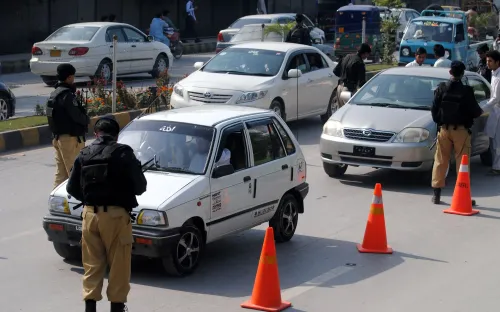
Over the past year, Pakistan has repatriated thousands of Afghan migrants in a nationwide crackdown, with journalists and human rights advocates being significantly affected. Many Afghan journalists sought refuge in Pakistan after facing threats and limitations on independent media operations following the Taliban's takeover in 2021.
Recently, Amnesty International, a prominent human rights organization, urged the Pakistani government to safeguard Afghan refugees residing in their territory from harassment and unlawful torture by security forces.
In an open letter to Pakistan's Prime Minister Shehbaz Sharif, the organization expressed serious concerns regarding the unlawful detention, harassment, and deportation of Afghan refugees, emphasizing their vulnerability and the necessity for state protection.
They demanded that Pakistani authorities take immediate actions to prevent the deportation of Afghan refugees and ensure their protection under international human rights laws.
“Pakistani authorities must guarantee that the rights of Afghan refugees are upheld, particularly protection from arbitrary detention and eviction from refugee camps and their accommodations,” stated the letter addressed to the Prime Minister.
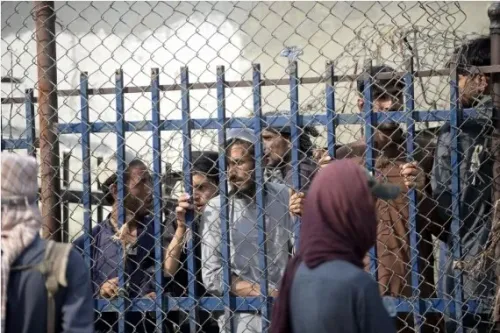
According to data from the United Nations High Commissioner for Refugees (UNHCR), approximately 110,000 refugees and asylum seekers face imminent threats of deportation and thus require protection. The report also highlighted the heightened vulnerability of women, journalists, and human rights activists if forcibly returned to Afghanistan.
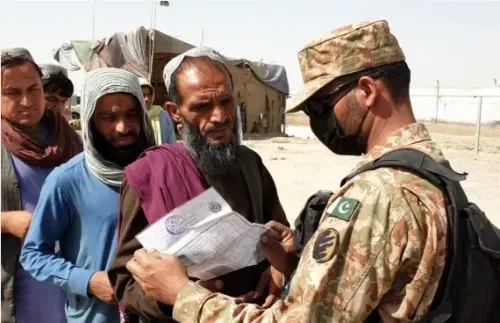
Notably, Pakistan has been a host to Afghan refugees for over 40 years, providing shelter to hundreds of thousands fleeing conflict and political turmoil. However, since the initiation of the “Illegal Foreigners Repatriation Plan” in September 2023, Pakistan has intensified efforts to repatriate undocumented and unverified Afghans, including those with legal refugee status.
As reported by the International Organisation for Migration (IOM), a total of 1,495,851 Afghan refugees have returned to Afghanistan since the start of the deportation campaign, with nearly half, 778,739, returning in 2025 alone.
Additionally, similar deportation campaigns are being conducted in nations such as Iran. Estimates suggest that over four million Afghans have been deported or compelled to return from Pakistan and Iran since September 2023, including more than 2.6 million in 2025 alone.
Point of View
It is imperative to stand by our commitment to uphold journalistic integrity and advocate for the rights of those who risk their lives for truth. The continuous arrests of Afghan journalists in Pakistan are alarming and demand immediate action from the international community.
NationPress
3 Oct 2026
Frequently Asked Questions
What is the main concern regarding Afghan journalists in Pakistan?
The main concern is the repeated arrest of Afghan journalists, which poses significant threats to their safety and freedom of expression.
Who are the detained Afghan journalists?
The detained journalists are Abdulrahman Mangal, Asma Mohammadi, and Samim Naimi.
What is the response from the Afghanistan Media Support Organisation?
The AMSO has condemned these arrests as violations of human rights and called for immediate intervention from international organizations.
How many Afghan refugees have been affected by deportations in Pakistan?
Approximately 110,000 Afghan refugees and asylum seekers are facing direct threats of deportation in Pakistan.
What actions have human rights organizations taken regarding this issue?
Organizations like Amnesty International have urged the Pakistani government to protect Afghan refugees from harassment and unlawful detention.