How Does Bengal SIR Plan to Achieve 700,000 Hearings Daily by February 7?
Synopsis
As the deadline for the hearings on the draft voters' list approaches, the ECI sets an ambitious target of 700,000 hearings per day in West Bengal. This strategic move is crucial for ensuring a smooth electoral process ahead of the upcoming Assembly elections. Discover the implications and challenges of this significant undertaking.
Key Takeaways
700,000 hearings targeted daily by ECI.
6,500 hearing centers established across West Bengal.
Deadline for hearings is February 7 .
Final voters' list to be published on February 14 .
Significant preparations for upcoming Assembly elections .
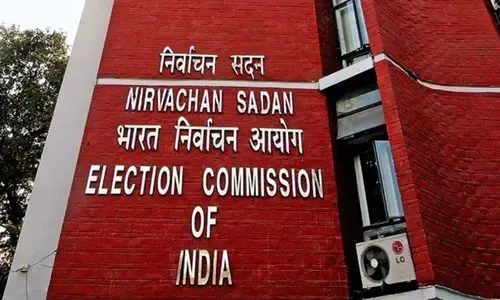
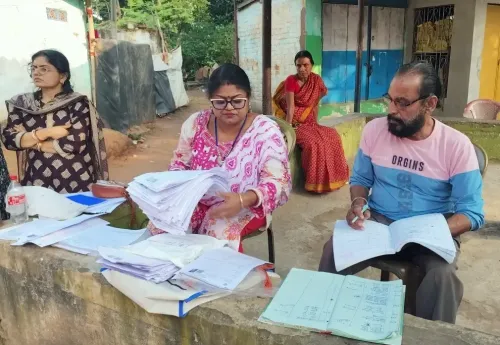
Kolkata, Jan 18 (NationPress) As the deadline approaches for finalizing the hearings on claims and objections related to the draft voters' list in West Bengal, the Election Commission of India (ECI) has established an ambitious goal of conducting 700,000 hearings daily across 6,500 hearing centers throughout the state.
The Commission believes this target is attainable, with electoral officers expected to manage approximately 107 cases per day at each center, as indicated by sources from the Chief Electoral Officer (CEO) of West Bengal.
The hearings on claims and objections for the draft voters' list must conclude by February 7, after which the final voters' list will be published on February 14.
Following the release of the final voters' list, the ECI is anticipated to reveal the polling dates for the significant Assembly elections scheduled later this year.
Recently, Union Home Minister Amit Shah addressed the media in Kolkata, stating that both polling and counting are expected to conclude by the end of April.
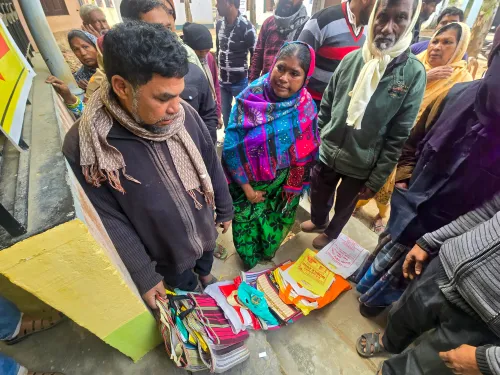
The process for hearing “unmapped” voters is nearing completion, with “logical discrepancy” cases set to be addressed in the coming week.
Unmapped voters are those unable to connect through “self-mapping” or “progeny-mapping” to the voters' list from 2002, the last occasion when a voters' list revision was undertaken in West Bengal.
Conversely, “logical discrepancy” cases pertain to voters exhibiting unusual family-tree data identified during “progeny mapping”.
The Commission has mandated a two-stage verification and authentication process for identity documents presented by voters during hearings.
Electoral Registration Officers (EROs) will oversee the first verification stage, while District Magistrates, also designated as District Electoral Officers, will handle the second stage.
It is essential to note that domicile certificates issued by the state government and admit cards for the Madhyamik secondary examination conducted by the West Bengal Board of Secondary Education will not be recognized as valid identity proof.
Point of View
The ECI's latest target for West Bengal reflects a commitment to enhancing participation and transparency in the electoral process. This is a pivotal moment for the state's democracy as it prepares for vital Assembly elections. The effort to accommodate numerous hearings underscores the importance of every voter's voice.
NationPress
30 Sept 2026
Frequently Asked Questions
What is the deadline for completing hearings on the draft voters' list?
The deadline for completing hearings on claims and objections to the draft voters' list in West Bengal is February 7.
How many hearings does the ECI aim to conduct each day?
The ECI aims to conduct 700,000 hearings per day through 6,500 hearing centers across West Bengal.
What happens after the final voters' list is published?
After the final voters' list is published on February 14, the ECI is expected to announce the polling dates for the Assembly elections later this year.
What are unmapped voters?
Unmapped voters are individuals who cannot establish a connection to the voters' list from 2002 through self or progeny mapping.
What is the significance of the verification process?
The verification process ensures that only valid identity documents are accepted, enhancing the integrity of the electoral process.