Why is Pakistan's AMSO Condemning the Arrest of Afghan Journalists?

Synopsis
The Afghanistan Media Support Organization (AMSO) has raised serious concerns over the recent arrests of Afghan journalists in Pakistan. With increasing risks to press freedom and safety, AMSO urges immediate action from the Pakistani government and international communities to protect these media professionals.
Key Takeaways
AMSO condemns the illegal detention of Afghan journalists.
Press freedom is under serious threat in Pakistan.
Urgent action is needed to protect media personnel.
Visa and residency issues complicate the situation for Afghan journalists.
International support is crucial for affected journalists.
Kabul, Jan 11 (NationPress) The Afghanistan Media Support Organization (AMSO) has condemned the detention of four Afghan journalists and media personnel by law enforcement in Islamabad, Pakistan, including the involuntary expulsion of one individual. They characterized these actions as illegal and a grave threat to press freedom, according to reports from local media on Sunday.
In a statement released on Saturday, AMSO indicated that these arrests, coupled with stringent restrictions and pressure on Afghan journalists, significantly jeopardize their safety and capacity to perform their duties, as reported by Afghanistan's prominent media agency Khaama Press. The organization has called on the Pakistani government and its security forces to release all detained journalists and media personnel.
AMSO also highlighted the urgent need to facilitate visa renewals for Afghan journalists residing in Pakistan and demanded assurances for their safety and human dignity. They urged the international community and journalist protection organizations to consider the situation with the seriousness it deserves and to take prompt actions to support Afghan media personnel living in Pakistan.
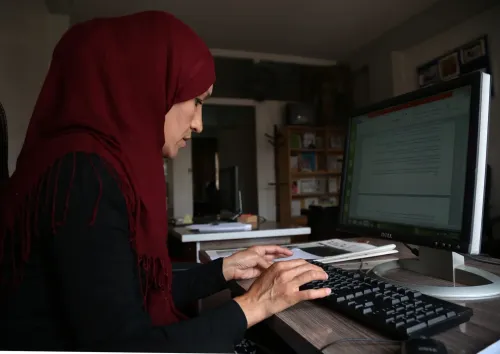
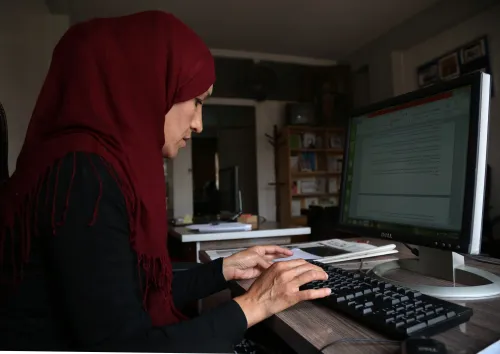
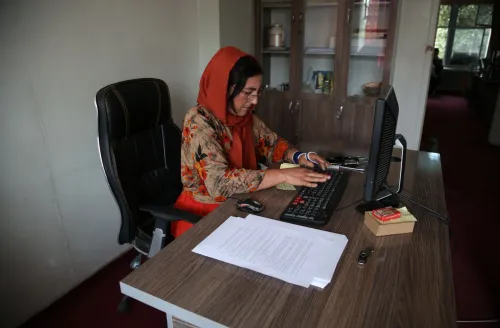
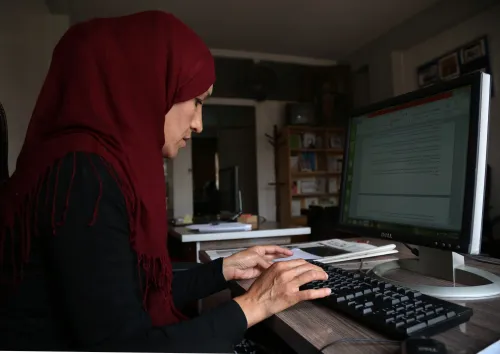
Afghan journalists in Pakistan frequently encounter challenges related to visas, residency, and work permits. Many have reported facing harassment, intimidation, and administrative hurdles that interfere with their reporting and daily activities.
Recently, freelance Afghan journalist Ubaidullah Ahmadi was taken into custody by police in Islamabad, raising alarms about the safety of exiled reporters who may face forced deportation, local media sources reported. The circumstances surrounding Ahmadi's arrest remain unclear, and Pakistani police have yet to issue an official statement concerning the incident.
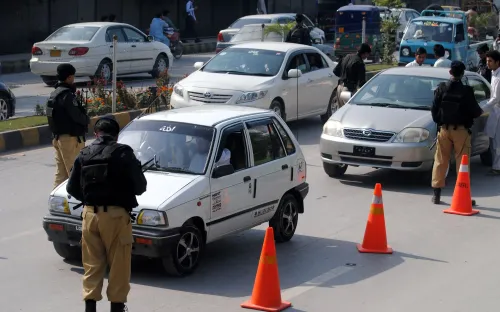
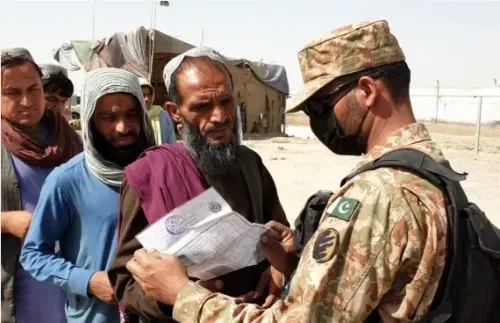
His detention follows an increase in house-to-house inspections by Pakistani authorities in Islamabad aimed at identifying undocumented Afghan migrants for detention and forced deportation, as reported by Khaama Press.
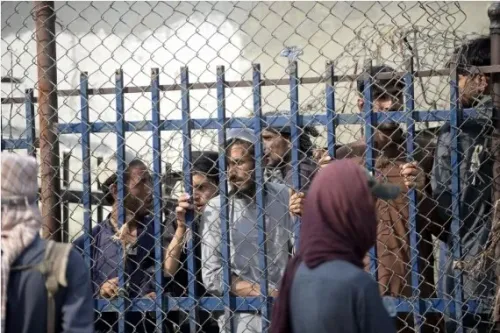
According to media workers and advocacy organizations monitoring the situation, numerous Afghan journalists have reportedly been detained during these operations, with most lacking legal protection, rendering them vulnerable to arrest, harassment, and possible deportation under Pakistan's strict migration policies.
In December of the previous year, media watchdog Reporters Without Borders (RSF) reported that Pakistan had forcibly returned at least 20 Afghan journalists to Afghanistan in 2025, violating international protections for refugees, as noted by Afghan media outlet Amu TV.
Referencing both Pakistani media reports and its own documentation, RSF asserted that the expulsion of Afghan journalists from Pakistan constituted a clear violation of the international principle of non-refoulement, emphasizing that many other Afghan journalists living in Pakistan are burdened with fears of arrest, extortion, and immediate deportation.
RSF also indicated that around 200 Afghan journalists fled to Pakistan after enduring threats or reprisals from the Taliban following their takeover of Afghanistan in 2021. Many of these journalists are waiting for relocation to Western countries with RSF's assistance; however, resettlement processes have been stalled for years, leaving applicants in a state of legal uncertainty.
RSF mentioned that Pakistan has seldom extended residency permits for Afghans since mid-2025, putting thousands, including journalists, at risk of being labeled as "illegal," as reported by Amu TV. Additionally, it stated that arbitrary arrests, detentions, and deportations of Afghan journalists have surged significantly over the last six months.
Point of View
It is clear that the ongoing situation faced by Afghan journalists in Pakistan is alarming and requires immediate attention. The Nation stands firmly in support of press freedom and calls for the release of all detained journalists, emphasizing that a free press is imperative for a functioning democracy.
NationPress
27 Sept 2026
Frequently Asked Questions
Why did AMSO condemn the arrests of Afghan journalists?
AMSO condemned the arrests because they view these actions as illegal and a serious threat to press freedom.
What actions did AMSO demand from the Pakistani government?
AMSO urged the Pakistani government to release all detained journalists and facilitate visa renewals for Afghan media personnel.
What challenges do Afghan journalists face in Pakistan?
Afghan journalists in Pakistan often face issues related to visas, residency, and work permits, along with harassment and intimidation.
How has the situation for Afghan journalists changed recently?
The situation has worsened with increased detentions and deportations of Afghan journalists under stringent migration policies.
What is the role of international organizations in this issue?
International organizations are urged to take the situation seriously and support Afghan journalists facing threats in Pakistan.