Did Amit Shah Ever Belong to RSS? Digvijaya Singh Questions During Rajya Sabha Electoral Reforms Debate
Synopsis
In a heated Rajya Sabha session on electoral reforms, Congress leader Digvijaya Singh fiercely challenged Amit Shah's claimed ties to the RSS, alleging electoral irregularities. The debate highlighted significant concerns over transparency in the electoral process and raised questions about political accountability.
Key Takeaways
Digvijaya Singh challenges Amit Shah's RSS affiliation.
Allegations of systematic electoral irregularities were raised.
Concerns about voter list discrepancies highlighted.
Demand for transparency in electoral reforms . ' One Nation, One Election ' criticized for undermining federalism.
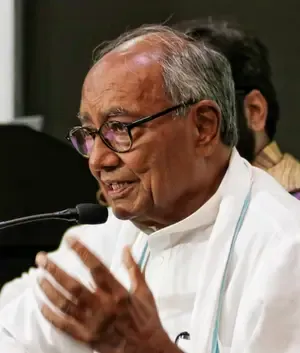
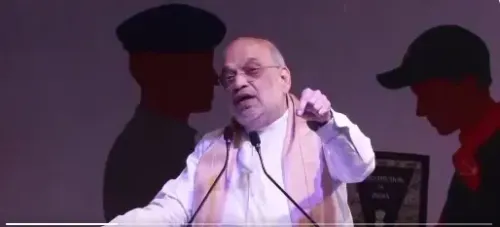
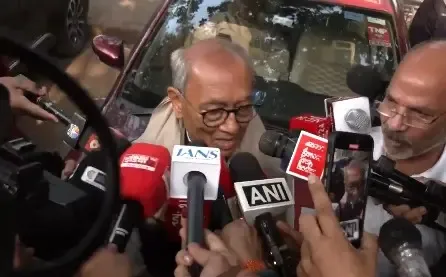
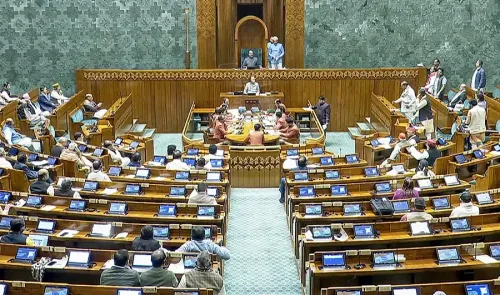
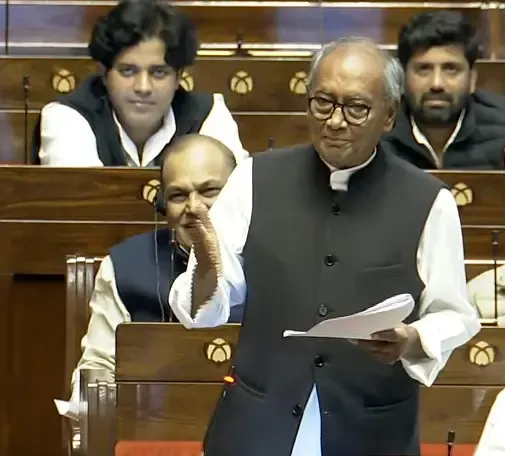
New Delhi, Dec 15 (NationPress) During the ongoing debate regarding electoral reforms in the Rajya Sabha, senior Congress leader Digvijaya Singh aggressively criticized the government, raising concerns about systematic malpractices in the electoral process and challenging Home Minister Amit Shah's claimed ties to the Rashtriya Swayamsevak Sangh (RSS).
In a pointed personal jab that elicited strong reactions from the Treasury Benches, Singh asserted that Amit Shah "was never a member of the RSS", demanding that he substantiate any contrary claims.
Singh recalled PM Modi's declaration from the Red Fort, where he referred to the RSS as the world's largest NGO. He noted that during the Rajya Sabha session, Amit Shah had stated that both he and the PM adhere to RSS principles.
However, Singh questioned this assertion, highlighting that while PM Modi openly embraces his RSS roots, Amit Shah has never genuinely been part of the organization.
He referenced Shah's remarks in the Rajya Sabha concerning Modi: "Garv se kehte hain Modi ji Sangh ke pracharak rahe hain" (We proudly state that Modi ji has been an RSS pracharak). Singh remarked that Shah claimed to have begun attending RSS shakhas at the age of 10. Nevertheless, he revealed that his own acquaintances in the RSS told him, "Shahji was never associated with the RSS".
This statement provoked loud objections from ruling party members. Union Law Minister Arjun Ram Meghwal interjected, accusing Singh of misconstruing Amit Shah's previous statements.
Singh asserted that Amit Shah failed to address significant issues raised by Congress leader Rahul Gandhi, such as the necessity for machine-readable digital voter lists, transparent audits of Electronic Voting Machines (EVMs), reforms in the appointment process for the Chief Election Commissioner, and clarity regarding the deletion of CCTV footage from polling stations.
Responding to Shah's earlier claims in Parliament that no political party had proposed suggestions on electoral reforms from 2014 to 2025, Singh mentioned that he personally sent a letter to the Chief Election Commissioner, which went unanswered.
"Either the Election Commission is misleading the Home Minister, or the Home Minister is misleading the House," he contended, demanding accountability and action.
He highlighted alleged inconsistencies in voter lists, citing cases where an individual’s name appeared in multiple locations, and claimed that deduplication software was halted once irregularities were uncovered.
Singh questioned the necessity of the Special Intensive Revision (SIR) of electoral rolls alongside regular summary revisions, alleging that no official order exists on file for SIR to be conducted, as revealed through RTI inquiries.
He also voiced concerns regarding the differing voter lists provided to candidates and presiding officers, the 'selective enforcement' of the model code of conduct (noting the lack of action against appeals invoking religious sentiments), and the impact of money in elections.
Singh criticized the elevated expenditure ceilings in the Lok Sabha elections and expressed his personal preference for a return to paper ballots, arguing that comprehensive verification of Voter Verifiable Paper Audit Trail (VVPAT) slips would guarantee voter confidence without excessive delays.
On the proposed 'One Nation, One Election' initiative, Singh deemed it an "insult" to federalism and a move towards a "fascist dictatorship", cautioning that relying solely on demographic ratios for delimitation would disturb the North-South balance in representation.
Singh likened high voter turnouts (citing 94 percent in some instances, an unprecedented occurrence in his 50 years in politics) to practices seen in authoritarian regimes, referencing historical figures like Hitler and Mussolini, along with contemporary examples.
The discussion on electoral reforms, a focus of the Winter Session aimed at bolstering democratic processes amidst opposition allegations of voter list manipulations, revealed sharp divisions.
Members of the Treasury Bench accused the opposition of undermining institutions, while Congress leaders insisted on increased transparency from the Election Commission. The session is set to continue, with more members expected to engage in the electoral reforms dialogue.
Point of View
I believe that this ongoing debate reflects the critical need for transparency and accountability in our electoral processes. The allegations raised by Digvijaya Singh warrant serious consideration as they speak to broader concerns about the integrity of our democracy.
NationPress
9 Oct 2026
Frequently Asked Questions
What were the main points raised by Digvijaya Singh?
Digvijaya Singh raised concerns about systemic irregularities in the electoral process and questioned Amit Shah's ties to the RSS, while also addressing issues regarding voter lists and transparency in electoral reforms.
How did Amit Shah respond to these allegations?
Amit Shah's responses included claims about his involvement with the RSS and dismissing opposition concerns as unfounded, countering Singh's assertions during the debate.
What is the significance of the 'One Nation, One Election' proposal?
The 'One Nation, One Election' proposal has been criticized as an affront to federalism, with concerns that it could lead to a lack of representation for diverse regional interests.