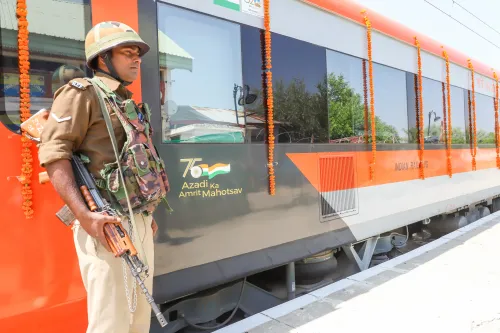
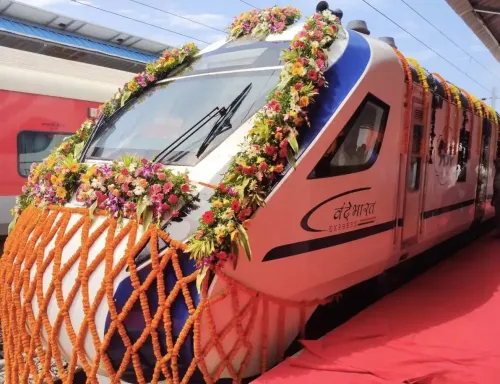
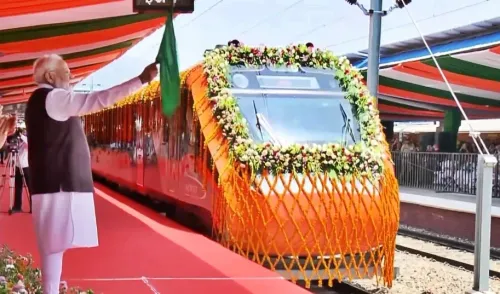
Amritsar-Katra Vande Bharat Express flagged off; Beas station gets ₹62 crore upgrade
Synopsis
A new Vande Bharat Express linking Amritsar to the Vaishno Devi shrine at Katra was flagged off on 16 June, running a shorter route that saves 84 km and 40 minutes of travel time. Simultaneously, Beas junction — handling over 100 trains a day — is set for a ₹62 crore overhaul that will nearly triple its daily passenger capacity, making this one of the more substantive rail upgrades in Punjab in recent years.
Key Takeaways
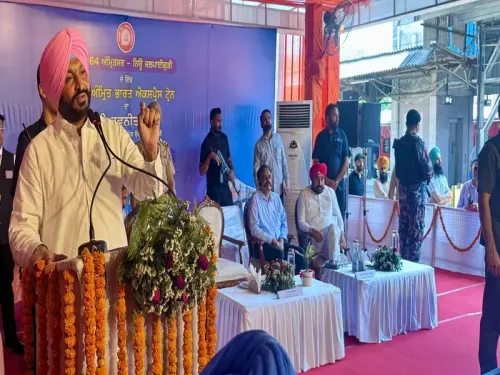
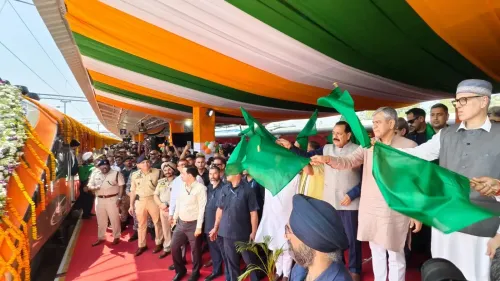
Amritsar–Shri Mata Vaishno Devi Katra Vande Bharat Express flagged off on 16 June by Minister of State for Railways Ravneet Singh Bittu .
New route is approximately 84 km shorter and reduces travel time by 40 minutes , covering 283 km in about five hours .
Beas junction to be redeveloped at an estimated ₹62 crore under the Amrit Bharat Station Scheme .
Station currently handles 106 trains daily ; daily passenger footfall projected to grow from 6,166 to 19,500 .
Redevelopment includes a new station building, a third platform, a 6-metre-wide foot-over bridge , and upgraded parking on both Dera Road and GT Road sides.
Service expected to boost the religious tourism circuit linking Sri Harmandir Sahib , Durgiana Temple , Sri Ram Tirath , and Vaishno Devi shrine.
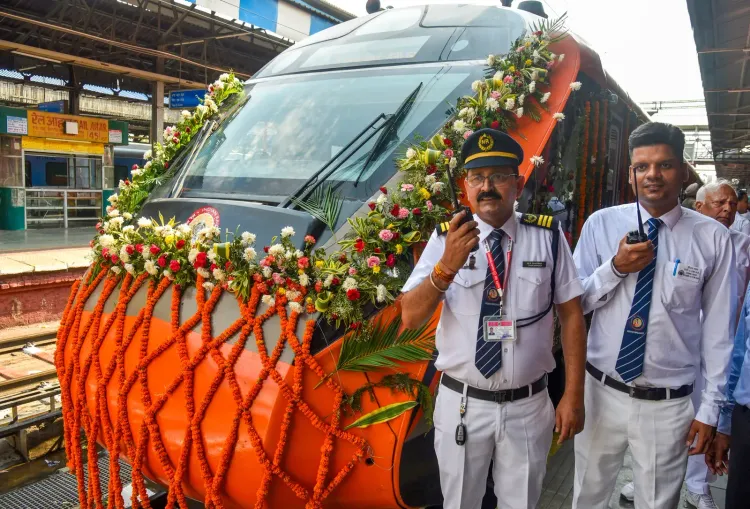
Union Minister of State for Railways Ravneet Singh Bittu on Tuesday, 16 June flagged off the Amritsar–Shri Mata Vaishno Devi Katra Vande Bharat Express from Amritsar, simultaneously announcing a ₹62 crore redevelopment of Beas junction railway station in Punjab's Amritsar district under the Amrit Bharat Station Scheme. The twin developments mark a significant push to rail connectivity and pilgrimage tourism in the region.
New Vande Bharat Route and Travel Benefits
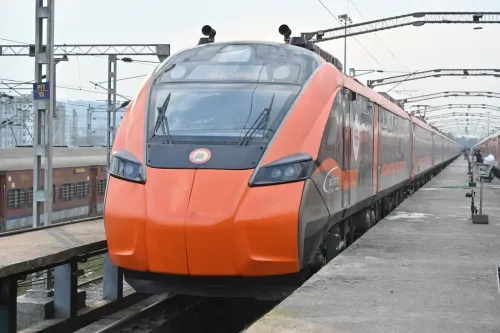
The Amritsar–Shri Mata Vaishno Devi Katra Vande Bharat Express operates on a new route that cuts the distance by approximately 84 km and reduces travel time by 40 minutes. The train covers 283 km in roughly five hours, equipped with modern AC Chair Car and Executive Chair Car coaches offering enhanced passenger comfort.
The service is expected to strengthen the religious tourism circuit linking Sri Harmandir Sahib, Durgiana Temple, Sri Ram Tirath, and the Shri Mata Vaishno Devi shrine, while also boosting economic activity, trade, and tourism across the corridor.
Beas Station Redevelopment: Key Features
Beas junction currently handles around 106 trains daily — comprising 98 halting trains and 8 originating or terminating services — with a daily passenger footfall of approximately 6,166. Post-redevelopment, footfall is projected to rise nearly threefold to 19,500 passengers per day.
The redevelopment plan includes a new station building on the GT Road side, constructed while preserving the heritage façade and architectural character of the existing structure. The total number of platforms will increase to three, with a new addition planned. A six-metre-wide foot-over bridge will be built at the Amritsar end, and the existing one extended toward the second entry side.
Infrastructure and Passenger Facilities
Comprehensive upgrades to circulating areas, approach roads, and parking zones are planned on both the Dera Road and GT Road sides. Dedicated parking for cars, buses, and two-wheelers will be developed, with additional capacity built in to handle increased footfall during mela days.
Passenger pick-up and drop-off zones will also be reorganised on both sides of the station, in line with the Amrit Bharat Station Scheme's focus on modernising mid-tier stations across the country.
Significance for Pilgrimage and Regional Economy
Minister Ravneet Singh Bittu said the new Vande Bharat service represents a major boost to rail connectivity, pilgrimage tourism, and passenger infrastructure in the region. This comes amid a broader government push to upgrade railway infrastructure in Punjab and enhance access to key religious destinations in Jammu and Kashmir. The Amritsar–Katra corridor is among the most heavily used pilgrimage routes in northern India, and the shorter travel time is likely to attract a larger share of devotees who currently opt for road travel.
Point of View
And a visible rail gift linking the Golden Temple city to a major Hindu pilgrimage site covers multiple bases at once. The Beas station upgrade is more substantive: nearly tripling projected footfall capacity at a mid-tier junction signals that the Amrit Bharat scheme is moving beyond showcase terminals. The real test will be whether the heritage façade preservation at Beas holds up against construction timelines, and whether the Vande Bharat's shortened route consistently delivers the promised 40-minute saving once operational pressures set in.
NationPress
18 Sept 2026
Frequently Asked Questions
What is the Amritsar–Katra Vande Bharat Express?
It is a new Vande Bharat Express service connecting Amritsar to Shri Mata Vaishno Devi Katra, flagged off on 16 June by Union Minister of State for Railways Ravneet Singh Bittu. The train runs on a revised route that is approximately 84 km shorter than the previous alignment, covering 283 km in about five hours.
How much time does the new Vande Bharat save on the Amritsar–Katra route?
The new route reduces travel time by approximately 40 minutes compared to the earlier alignment. The distance is also cut by around 84 km.
What is the Beas junction redevelopment project?
Beas junction railway station in Punjab's Amritsar district is being redeveloped at an estimated cost of ₹62 crore under the Amrit Bharat Station Scheme. The project includes a new station building, an additional platform, a wider foot-over bridge, and upgraded parking and circulating areas on both the GT Road and Dera Road sides.
How will the Beas station upgrade affect passenger capacity?
Daily passenger footfall at Beas junction is projected to rise from the current approximately 6,166 to nearly 19,500 after redevelopment — a near-threefold increase. The station currently handles around 106 trains per day.
Which religious sites does the new Vande Bharat service connect?
The Amritsar–Katra Vande Bharat is expected to strengthen the pilgrimage tourism circuit linking Sri Harmandir Sahib (the Golden Temple), Durgiana Temple, and Sri Ram Tirath in Amritsar with the Shri Mata Vaishno Devi shrine in Katra, Jammu and Kashmir.