AP Council Chairman Rejects MLC Venkataramana's Resignation
Synopsis
AP Council Chairman K. Moshen Raju rejected MLC Jayamangala Venkataramana's resignation, citing an unsatisfactory reply to notice, months after a High Court called the delay illegal and arbitrary. Five more YSRCP MLCs' resignations remain in limbo, spotlighting a deepening political-legal standoff in Andhra Pradesh's upper house.
Key Takeaways
Moshen Raju rejected MLC Jayamangala Venkataramana's resignation on April 23, 2025 , citing an unsatisfactory reply to notice.
Venkataramana had originally submitted his resignation in November 2024 after joining the Jana Sena Party led by Deputy CM Pawan Kalyan .
The Andhra Pradesh High Court had labelled the prolonged delay in deciding on the resignation as illegal, arbitrary, and abuse of the process.
The court directed Moshen Raju to complete the inquiry and decide within four weeks on November 27, 2025 .
Resignations of five other YSRCP-elected MLCs including Pothula Sunitha , B.
Kalyan Chakravarthi , Padmasri , and Marri Rajasekhar remain pending.
Deputy Chairperson Zakia Khanam withdrew her resignation on the advice of the Council Chairman , as only six months of her tenure remained.
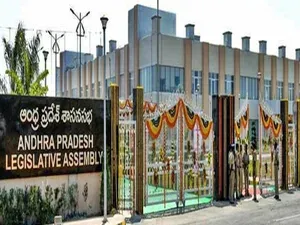
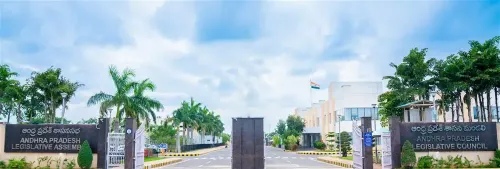
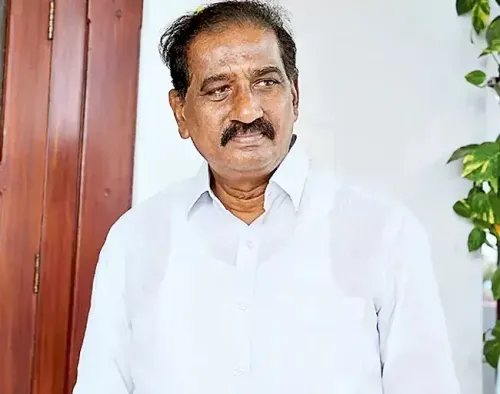
Amaravati, April 23: Andhra Pradesh Legislative Council Chairman K. Moshen Raju on Thursday formally rejected the resignation of Jayamangala Venkataramana, a Member of Legislative Council (MLC), ruling that the response Venkataramana submitted to an official notice was inadequate and unsatisfactory. The decision comes after months of legal battles and High Court intervention over the prolonged delay in processing the resignation.
Background: How the Resignation Controversy Unfolded
Venkataramana, who was elected to the Andhra Pradesh Legislative Council on a YSR Congress Party (YSRCP) ticket in 2023, submitted his resignation in November 2024. Simultaneously, he announced his departure from the YSRCP and joined the Jana Sena Party, led by Deputy Chief Minister Pawan Kalyan, on November 23, 2024.
When months passed without any action on his resignation, Venkataramana approached the Andhra Pradesh High Court, challenging the inaction of the Council Chairman. The prolonged delay drew sharp criticism from the judiciary.
High Court Intervention and Strong Judicial Rebuke
The Andhra Pradesh High Court directed Council Chairman Moshen Raju to take a definitive decision on the resignation within a stipulated timeframe. A single-judge bench described the prolonged inaction as illegal, arbitrary, and abuse of the process.
On November 27, 2025, the High Court once again directed Moshen Raju to complete the inquiry into the resignation and deliver a verdict within four weeks. The government counsel subsequently informed the court that a decision would be made within three weeks.
The judicial pressure ultimately forced the Council Chairman to act, culminating in Thursday's rejection of the resignation on procedural grounds.
Five Other YSRCP MLCs Resignations Still Pending
The case of Venkataramana is not an isolated one. The resignations of five other MLCs, all elected on YSRCP tickets, remain pending before the Council Chairman. These legislators submitted their resignations after the YSRCP lost power in the 2024 state elections.
The five MLCs are: Council Deputy Chairperson Zakia Khanam, Pothula Sunitha, B. Kalyan Chakravarthi, Padmasri, and Marri Rajasekhar. They had collectively met Council Chairman Moshen Raju in December 2024 to press for a decision on their resignations.
Notably, Zakia Khanam subsequently withdrew her resignation on the advice of the Council Chairman, who counselled her against resigning given that only six months of her tenure remained.
Political Implications: Power Shift and Legislative Arithmetic
The rejection of Venkataramana's resignation carries significant political consequences. As long as his resignation remains unaccepted, he technically continues as a YSRCP-elected MLC, even though he has publicly aligned himself with the Jana Sena Party. This raises questions about the anti-defection law and the legal status of his political realignment.
This comes amid a broader pattern across Indian states where Legislative Council Chairpersons have faced accusations of using procedural delays as a political tool to prevent opposition-aligned members from resigning and potentially triggering by-elections. Critics argue that such delays undermine democratic accountability and the fundamental right of elected representatives to resign.
The Andhra Pradesh situation also reflects the post-election fragmentation of the YSRCP, which suffered a comprehensive defeat in the 2024 state assembly elections. Several of its elected members have since sought to distance themselves from the party, and the fate of their resignations will shape the legislative balance in the Council going forward.
What Happens Next
With Venkataramana's resignation rejected, he is expected to challenge the decision before the Andhra Pradesh High Court, which had already expressed displeasure over the handling of the matter. Legal experts suggest the rejection on grounds of an unsatisfactory reply could itself be subject to judicial scrutiny.
The fate of the remaining five pending resignations will be closely watched, as the Council Chairman is now under active judicial supervision to act within defined timelines. Any further delay could invite contempt proceedings.
Point of View
After a High Court had to step in and call the delay illegal and arbitrary, is a troubling reminder of how procedural mechanisms in Indian legislative bodies can be weaponised as political instruments. When a Council Chairman sits on a resignation for months, forcing a member to approach the courts, the democratic principle of free political association is effectively held hostage. The fact that five other YSRCP MLCs face the same limbo suggests this is not an oversight but a pattern. India's legislative bodies urgently need time-bound, transparent processes for handling resignations, and the judiciary should not have to be the last line of defence for basic democratic rights.
NationPress
30 Sept 2026
Frequently Asked Questions
Why was Jayamangala Venkataramana's MLC resignation rejected?
Council Chairman K. Moshen Raju rejected the resignation on the ground that Venkataramana's reply to the official notice was not satisfactory. The rejection came under judicial pressure after the Andhra Pradesh High Court directed the Chairman to decide within four weeks.
When did Venkataramana submit his resignation and why?
Jayamangala Venkataramana submitted his resignation in November 2024 after announcing his exit from the YSRCP . He formally joined the Jana Sena Party led by Deputy Chief Minister Pawan Kalyan on November 23, 2024 .
What did the Andhra Pradesh High Court say about the delay in accepting the resignation?
A single-judge bench of the Andhra Pradesh High Court termed the prolonged inaction by the Council Chairman as illegal, arbitrary, and abuse of the process. The court directed a decision within four weeks on November 27, 2025 .
How many YSRCP MLCs have pending resignations in Andhra Pradesh?
Five YSRCP MLCs including Pothula Sunitha , B. Kalyan Chakravarthi , Padmasri , and Marri Rajasekhar have pending resignations. Zakia Khanam later withdrew her resignation on the advice of the Council Chairman .
Can Venkataramana appeal against the rejection of his MLC resignation?
Venkataramana can challenge the rejection before the Andhra Pradesh High Court , which had already been monitoring the case. Legal experts suggest the ground of unsatisfactory reply used for rejection may itself be subject to judicial review.