Apple Achieves 30% Recycled Material Use Across Products by 2025
Synopsis
Apple has announced a remarkable milestone for 2025, revealing that 30% of materials in its products will come from recycled sources. This significant achievement reflects the company's ongoing commitment to sustainability and innovation.
Key Takeaways
Apple aims for 30% of product materials to come from recycled sources by 2025.
The company has removed plastic from packaging.
Greenhouse gas emissions have dropped over 60% since 2015. iPhone production in India surged by 53% in 2025.
Apple is a leader in sustainability and innovation in the tech industry.
New Delhi, April 16 (NationPress) The American technology leader, Apple, revealed on Thursday that an impressive 30 percent of materials utilized across its shipped products in 2025 originated from recycled sources.
The company has eliminated plastic from its packaging and now incorporates 100 percent recycled cobalt in the batteries it designs, according to a recent statement.
Based in Cupertino, Apple also utilizes 100 percent recycled rare earth elements for all its magnets. In a significant move towards sustainability, plastic has been removed from its packaging, now using fiber-based materials that can be easily recycled at home.
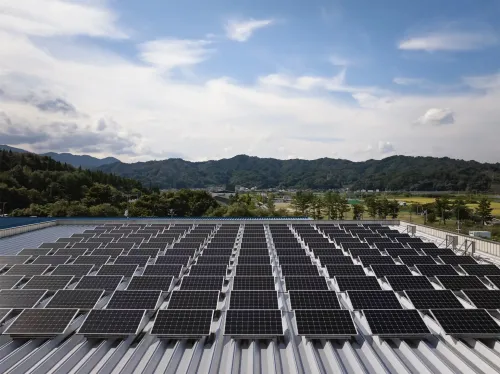
In 2025, Apple's greenhouse gas emissions have decreased by over 60 percent from 2015 levels, remaining stable from 2024, even amid substantial business expansion. The company emphasized advancements in renewable energy, materials innovation, recycling, water stewardship, and achieving zero waste.
Tim Cook, Apple's CEO, stated, "At Apple, we are committed to making the world a better place, and this philosophy permeates all our endeavors. These achievements highlight our belief that ambitious goals can serve as powerful catalysts for innovation."
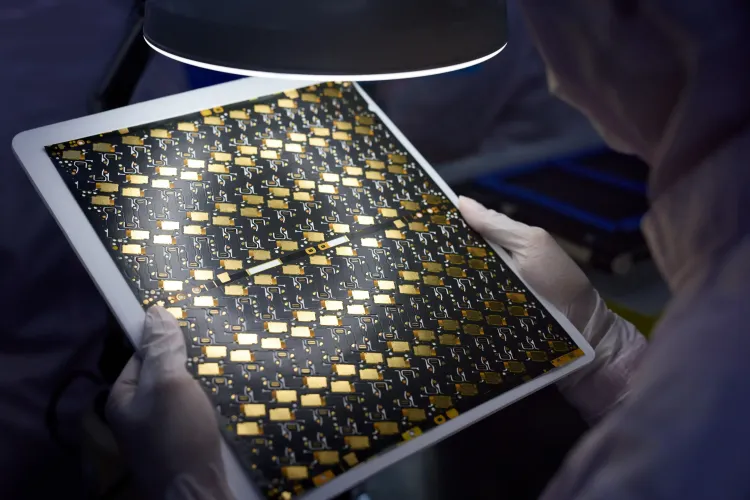
Additionally, Apple’s printed circuit boards feature 100 percent recycled gold plating and tin soldering, claiming to have avoided over 15,000 metric tons of plastic in the last five years.
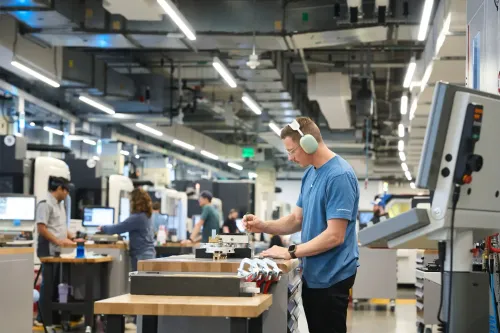
Over the last decade, Apple's engineers and designers have created alternatives for commonly used packaging components, replacing plastic screen protectors and trays with options made from recycled or responsibly sourced paper, as mentioned in the release.
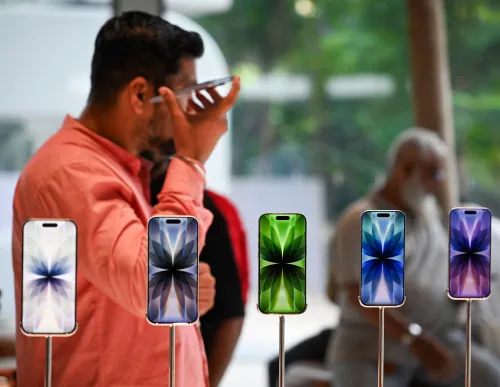
In 2025, Apple’s iPhone production in India surged by approximately 53 percent, reaching around 55 million units compared to 36 million in the previous year, according to sources.
A Bloomberg report indicated that the U.S. company manufactures about a quarter of its flagship products in India to sidestep tariffs related to China.
Apple produces approximately 220–230 million iPhones globally each year, with an increasing share coming from India, largely due to government-supported production-linked incentives. These subsidies have helped mitigate structural cost challenges associated with weaker supply chains and logistics issues compared to China.
Point of View
It's evident that Apple's commitment to sustainability, highlighted by its significant reduction in greenhouse gas emissions and the use of recycled materials, reflects a growing trend among global corporations to prioritize eco-conscious practices. This shift is essential for fostering a sustainable future.
NationPress
1 Oct 2026
Frequently Asked Questions
What percentage of Apple's product materials will come from recycled content by 2025?
Apple announced that 30% of materials used across all its shipped products in 2025 will come from recycled content.
What steps has Apple taken to reduce plastic usage?
Apple has eliminated plastic from its packaging and now uses fiber-based materials that are easily recyclable.
How much have Apple's greenhouse gas emissions decreased since 2015?
Apple's greenhouse gas emissions have declined by over 60% compared to 2015 levels.
What is the significance of the 2025 production increase in India?
Apple's iPhone production in India increased by about 53% in 2025, reflecting the company's strategy to avoid tariffs on China.
What materials are used in Apple-designed circuit boards?
Apple's printed circuit boards are made with 100% recycled gold plating and tin soldering.