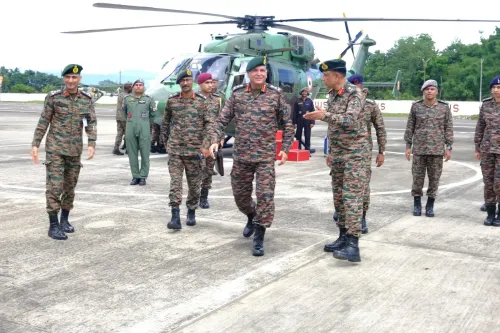
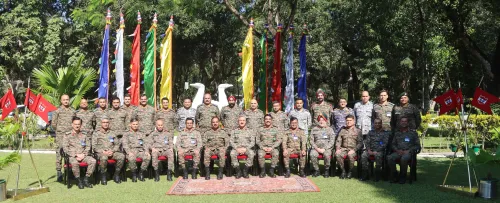
Army Chief General Dhiraj Seth reviews Trishakti Corps combat readiness
Synopsis
Army Chief General Dhiraj Seth made back-to-back visits to Trishakti Corps — first to Kripan Division last week and now to forward areas near Siliguri — signalling sustained high-level focus on India's most geopolitically complex land frontier. The repeated COAS inspections, combined with emphasis on the JAI se VIJAY vision and HADR coordination, point to a quietly intensifying operational posture along the Sikkim–North Bengal corridor.
Key Takeaways
Army Chief General Dhiraj Seth reviewed Trishakti Corps operational preparedness in Siliguri on 10 November 2026 .
The COAS assessed capability enhancement initiatives focused on innovation, technology absorption , and the JAI se VIJAY vision.
Last week, Seth visited the Kripan Division of Trishakti Corps in North Bengal — this is his second review of the formation within days.
He stressed the importance of proactive HADR planning , joint exercises, and military-civil coordination for disaster response.
Seth commended troops for their professionalism and extended Deepawali greetings to all ranks and their families.
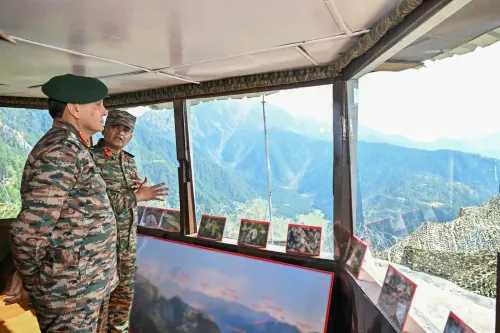
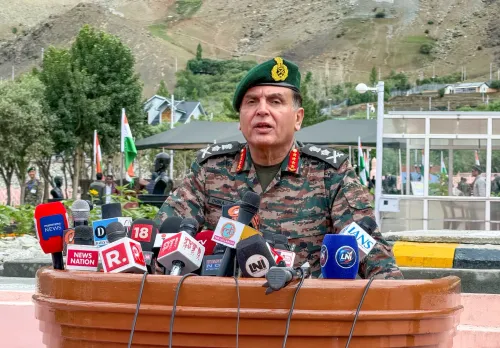
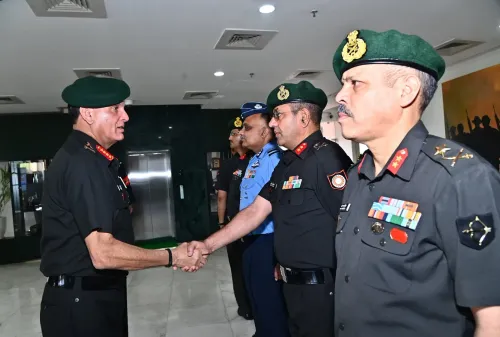
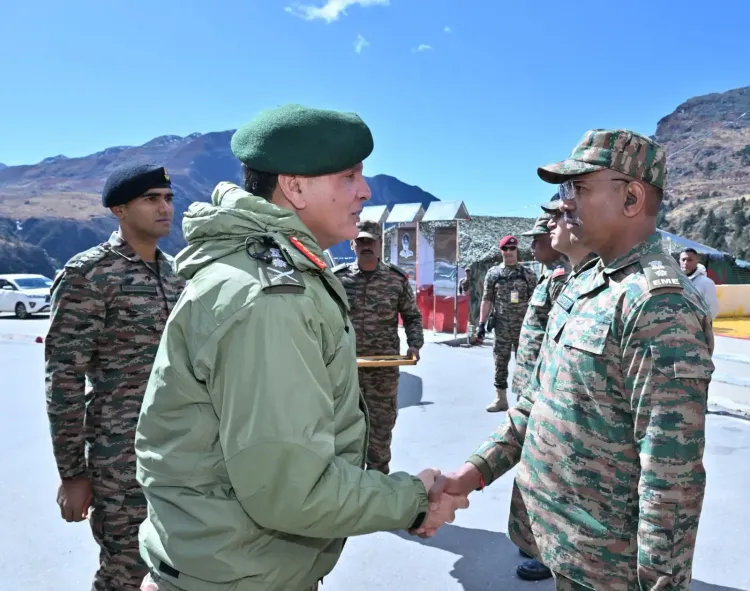
Indian Army Chief General Dhiraj Seth on Tuesday, 10 November 2026, reviewed the operational preparedness of Trishakti Corps, headquartered in Siliguri, taking stock of the prevailing security environment and ongoing initiatives to sharpen combat effectiveness. The visit is part of a series of forward-area inspections by the Chief of Army Staff (COAS) across the strategically sensitive North Bengal and Sikkim region.
What the COAS Reviewed
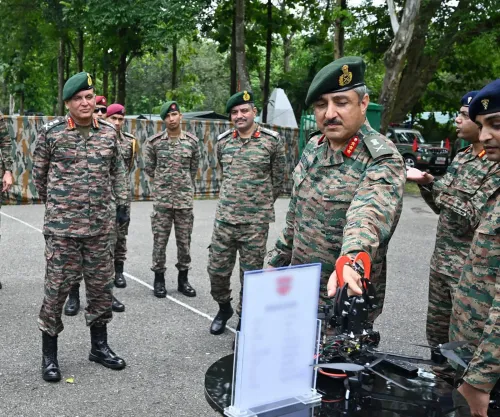
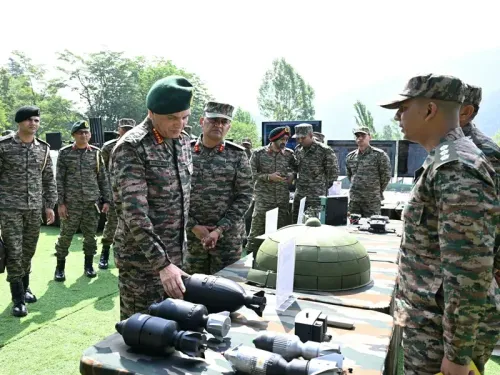
During the visit, General Seth was briefed on all aspects of operational effectiveness and capability enhancement being pursued by the formation. According to a statement by the Additional Directorate General of Public Information's Integrated Headquarters of Ministry of Defence (Army), the focus was on innovation and technology absorption, aligned with the Army's JAI se VIJAY vision for a future-ready force.
The briefing highlighted the Corps' progress toward realising the VIJAY vision, with emphasis on technology absorption, agility, and integrated warfighting capabilities. The COAS stressed the importance of proactive Humanitarian Assistance and Disaster Relief (HADR) planning, joint exercises, and close military-civil coordination to ensure a swift and effective response during disasters.
Prior Visit to Kripan Division
This latest review follows General Seth's visit last week to the Kripan Division of Trishakti Corps in North Bengal, where he similarly reviewed the security environment, operational preparedness, and capability enhancement initiatives. The back-to-back assessments of the same Corps underscore the Centre's sustained focus on the Sikkim and North Bengal corridor, a theatre that borders China, Bhutan, Nepal, and Bangladesh.
Message to the Troops
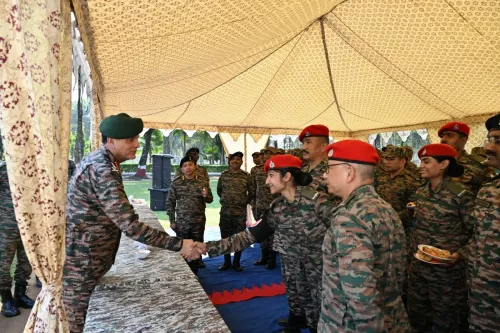
'Commending all ranks for their professionalism and unwavering commitment, the COAS exhorted them to remain vigilant, agile, mission-focused and continue striving for excellence while maintaining the highest standards of operational preparedness,' the Indian Army said in an official statement.
Interacting with troops on the ground, General Seth commended their dedication and also extended warm greetings to all ranks and their families on the eve of Deepawali.
Strategic Significance
Trishakti Corps oversees one of India's most geopolitically complex land frontiers. The Siliguri Corridor — sometimes called the Chicken's Neck — connects mainland India to the northeastern states and has long been a focal point of military preparedness. The repeated visits by the COAS signal a heightened emphasis on operational readiness, technology integration, and joint warfighting capability in this theatre. This is at least the second such high-level review by General Seth in the region within a week, reinforcing the Army's forward-engagement posture.
Point of View
And repeated COAS-level inspections suggest the Army is taking no chances with readiness along a border where India faces both Chinese pressure and a complex multi-country neighbourhood. The JAI se VIJAY framework's emphasis on technology absorption and integrated warfighting also points to an institutional shift away from manpower-heavy doctrine toward a leaner, faster force — a transformation that will define India's strategic posture for the next decade. Whether the technology absorption benchmarks are being met, and how quickly innovation is reaching the formation level, are questions the public record does not yet answer.
NationPress
10 Nov 2026
Frequently Asked Questions
Why did Army Chief General Dhiraj Seth visit Trishakti Corps?
General Dhiraj Seth visited Trishakti Corps to review its operational preparedness, security environment, and initiatives to enhance combat effectiveness. The visit focused on technology absorption, innovation, and alignment with the Army's VIJAY vision for a future-ready force.
Where is Trishakti Corps headquartered and why is it strategically important?
Trishakti Corps is headquartered in Siliguri, West Bengal, and oversees the Siliguri Corridor — also known as the Chicken's Neck — which is India's narrow land link to its northeastern states. The corridor borders China, Bhutan, Nepal, and Bangladesh, making it one of the most sensitive theatres in the Indian Army's operational landscape.
What is the JAI se VIJAY vision mentioned during the review?
The VIJAY vision is the Indian Army's framework for building a future-ready force, emphasising technology absorption, agility, and integrated warfighting. The JAI se VIJAY formulation ties the broader transformation goal to field-level implementation, with Trishakti Corps cited as actively working toward its realisation.
Was this General Seth's first visit to Trishakti Corps?
No. General Seth had visited the Kripan Division of Trishakti Corps in North Bengal just the previous week, where he reviewed similar themes of security environment and operational preparedness. The Siliguri visit on 10 November 2026 was his second review of the formation within days.
What did the Army Chief say about disaster response?
General Seth stressed the importance of proactive HADR (Humanitarian Assistance and Disaster Relief) planning, joint exercises, and close military-civil coordination to ensure a swift and effective response during natural or man-made disasters — an increasingly critical function given the region's vulnerability to floods and seismic activity.