Army rescues 11 civilians in flood-hit Rajouri, J&K in swift operation
Synopsis
In back-to-back operations on Sunday, the Indian Army's White Knight Corps pulled 11 civilians — including five children — from raging floodwaters in Rajouri, J&K, even as flash floods killed at least 10 in nearby Bafliaz and left several missing. Chief Minister Omar Abdullah abandoned his Delhi trip to personally oversee relief, signalling the crisis scale.
Key Takeaways
The Indian Army rescued 11 civilians , including five children , from flash floods in Rajouri district, J&K on 19 July .
Two parallel operations were conducted — one near Churung Village (Thanamandi) and another on a river island in the Naushera Tawi River near Dhangri .
Flash floods have killed at least 10 people in the Bafliaz area ; several others remain missing.
Governor Manoj Sinha directed district administration to maximise relief efforts.
Chief Minister Omar Abdullah returned from New Delhi to Jammu to personally supervise rescue operations.
Operations involved the White Knight Corps , J&K Police , SDRF , and civil administration.
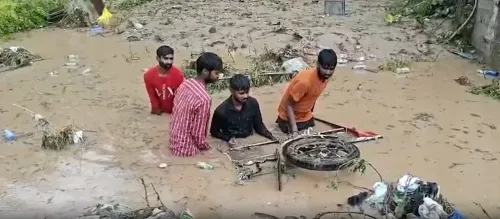
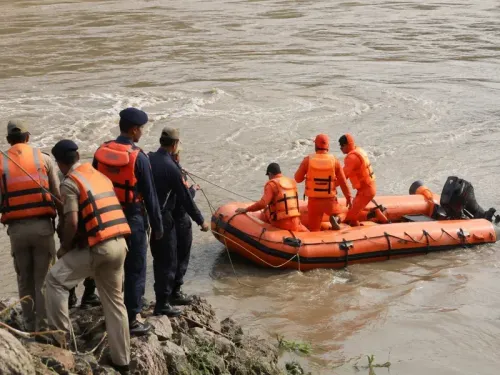
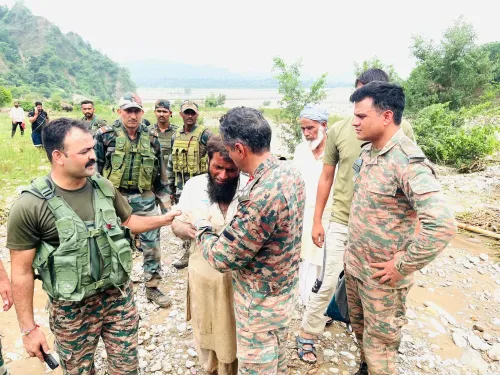
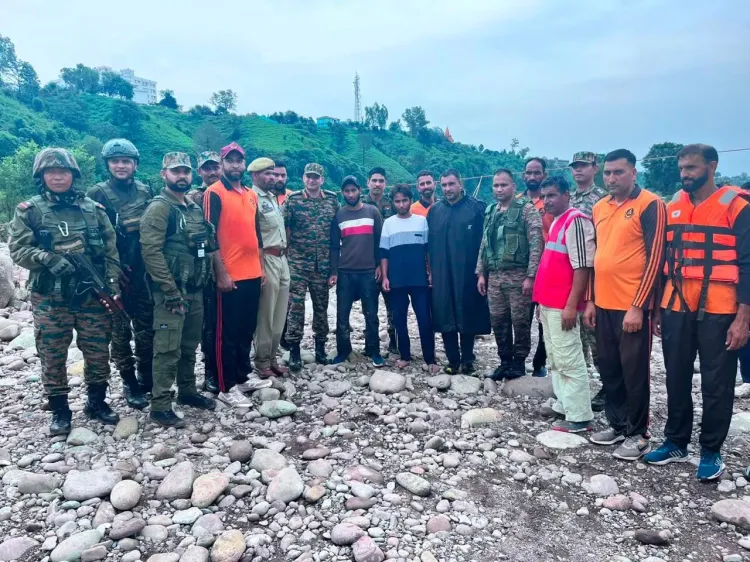
The Indian Army on Sunday, 19 July conducted two simultaneous rescue operations in the flash flood-ravaged Rajouri district of Jammu and Kashmir, pulling 11 civilians — including five children — to safety amid strong water currents and deteriorating weather. The operations were carried out under the White Knight Corps in close coordination with the Jammu and Kashmir Police, the State Disaster Response Force (SDRF), and the civil administration.
How the Rescues Unfolded
In the first operation, Army troops responded to reports of nine civilians, including five children, stranded across a flooded Nala near Churung Village, south of Thanamandi. Despite strong currents and challenging conditions, rescue teams reached the site promptly and evacuated all nine safely.
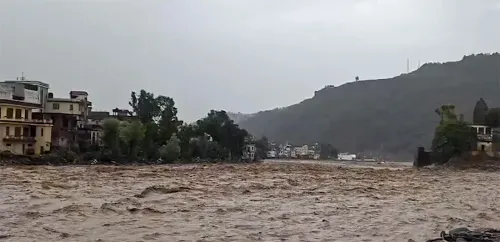
Simultaneously, troops of the Engineer Regiment rescued two youths, aged between 17 and 20 years, who had become marooned on a river island in the Naushera Tawi River near Dhangri, approximately 12 km from Rajouri. Both were brought to safety and handed over to their families in the presence of civil administration officials.
Scale of the Disaster
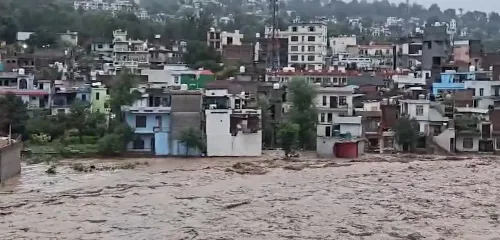
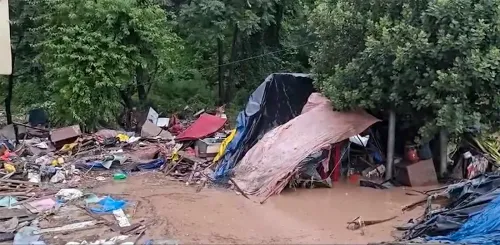
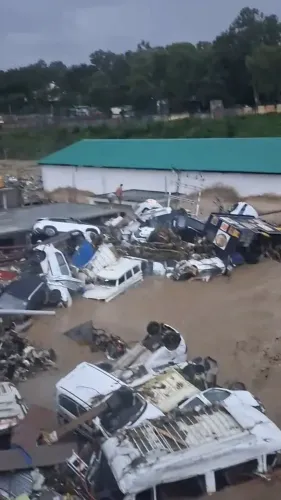
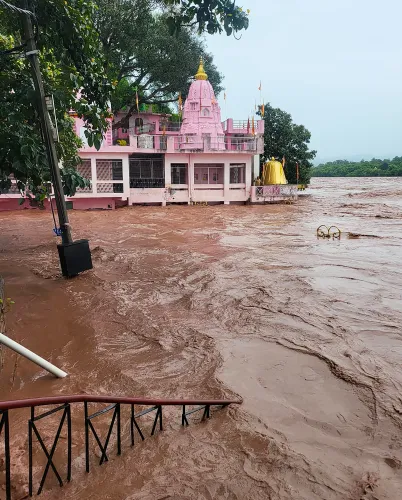
Flash floods triggered by incessant rainfall have wreaked havoc across Poonch and Rajouri districts. At least 10 people have died in the Bafliaz area, according to available reports, while several others remain missing. The scale of displacement and damage underscores the severity of this monsoon season's impact on the Jammu region.
Government Response
Lieutenant Governor Manoj Sinha reviewed the flood situation on Sunday morning and directed the district administration to extend all possible assistance to affected families. Chief Minister Omar Abdullah cut short his visit to New Delhi and rushed back to Jammu to personally oversee relief and rescue efforts in the flood-hit areas.
Army's Role in Disaster Relief
According to a Defence Ministry statement, the seamless coordination between the Army, Police, SDRF, and civil administration ensured both missions were completed without any loss of life. This comes amid a broader pattern of Army-led disaster response in Jammu and Kashmir, where difficult terrain routinely complicates civilian emergency services. The Indian Army has repeatedly been the first responder in the region's recurring flood emergencies, particularly in the Pir Panjal belt where Rajouri is located.
With several people still unaccounted for, rescue and relief operations are expected to continue in the coming days as authorities assess the full extent of the damage.
Point of View
But it also exposes a structural gap: in large parts of Jammu and Kashmir's hilly districts, the military remains the de facto first responder because civilian disaster infrastructure simply cannot cope with the terrain. Ten deaths in Bafliaz and multiple missing persons suggest the civilian warning and evacuation system failed before the Army arrived. The political optics of a Chief Minister cutting short a Delhi trip are noted, but the harder question is whether Poonch and Rajouri have received the pre-monsoon preparedness investment their flood history demands — because this is not an anomaly; it is a pattern.
NationPress
18 Oct 2026
Frequently Asked Questions
How many people did the Indian Army rescue in Rajouri on 19 July?
The Indian Army rescued 11 civilians, including five children, in two separate operations in the flash flood-hit Rajouri district of Jammu and Kashmir on 19 July. No lives were lost during the rescue missions.
Where exactly did the Rajouri flood rescue operations take place?
The first rescue was near Churung Village, south of Thanamandi, where nine civilians including five children were stranded across a flooded Nala. The second operation was on a river island in the Naushera Tawi River near Dhangri, about 12 km from Rajouri town.
How many people have died in the Jammu flash floods?
At least 10 people have died in the Bafliaz area due to flash floods triggered by incessant rainfall in the Poonch and Rajouri districts. Several others are still reported missing.
What is the White Knight Corps and why is it involved?
The White Knight Corps is an Indian Army formation responsible for the Jammu region. It coordinated the flood rescue alongside J&K Police, the State Disaster Response Force, and civil administration, reflecting the Army's established role as a primary disaster responder in J&K's difficult terrain.
What steps have J&K authorities taken in response to the floods?
Lt. Governor Manoj Sinha reviewed the situation on Sunday morning and directed the district administration to provide all possible help to affected families. Chief Minister Omar Abdullah returned early from New Delhi to Jammu to personally supervise ongoing relief and rescue operations.