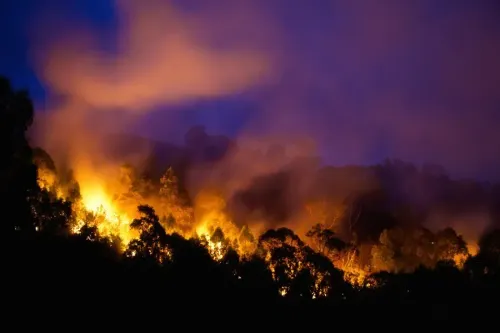
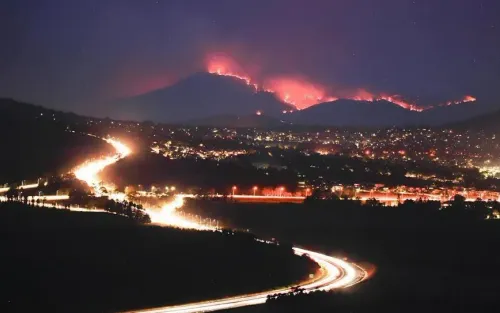
Australia bushfire risk rises in 6 of 8 states this summer
Synopsis
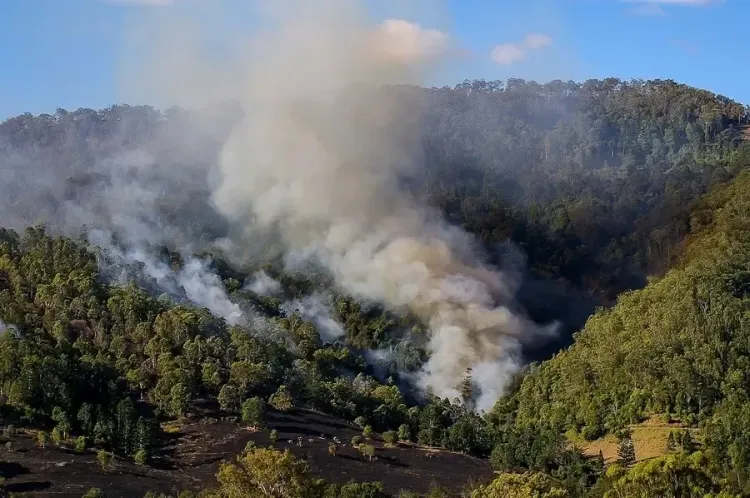
Six of Australia's eight states and territories face heightened bushfire danger this summer, with most of Victoria in the risk zone. Dry soils, heavy fuel loads, El Nino and a positive Indian Ocean Dipole are combining. A lightning-sparked blaze on Flinders Island has already forced a 'too late to leave' warning.
Key Takeaways
The national summer bushfire outlook, released on 27 November 2026 , warned of increased fire risk in six of Australia's eight states and territories.
Most of Victoria faces increased risk, along with smaller areas of New South Wales , South Australia , Western Australia , Tasmania and the Northern Territory .
The risk is driven by low soil moisture , high fuel loads and below-average summer rainfall forecast for northern and southeastern Australia.
The Bureau of Meteorology expects a warmer-than-usual summer amid El Nino and positive Indian Ocean Dipole events.
A lightning-sparked fire on Flinders Island burned about 3,000 hectares and triggered a 'too late to leave' emergency warning on Wednesday.
Large parts of Australia face an increased bushfire risk this summer, according to the national summer bushfire outlook released on Friday, 27 November 2026. The outlook, issued by the Australian and New Zealand National Council for Fire and Emergency Services, flagged heightened fire danger in six of Australia's eight states and territories. It cited persistently low soil moisture, high fuel loads and a forecast of dry conditions.
Key Findings of the Bushfire Outlook
The council is the peak body representing firefighting services across Australia and New Zealand. It said the increased risk stems from three overlapping factors: low soil moisture, high fuel loads and below-average summer rainfall expected across northern and southeastern Australia.
According to the outlook, most of the southeastern state of Victoria faces increased fire risk. Smaller pockets of New South Wales, South Australia, Western Australia, the island state of Tasmania and the Northern Territory have also been placed in the elevated-risk category.
El Nino and Indian Ocean Dipole Drive Warmer Forecast
The outlook follows the long-range summer forecast released on Thursday by the Bureau of Meteorology. The Bureau said the season will likely be warmer than usual across Australia.
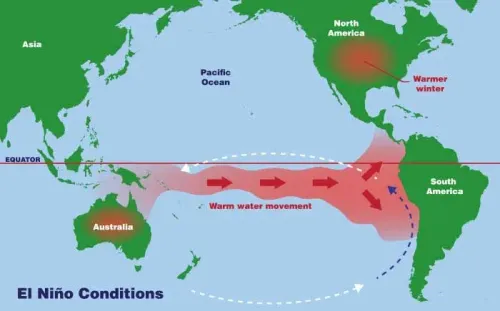
It linked the forecast to El Nino and positive Indian Ocean Dipole events. Both climate drivers are associated with warmer Australian summers. Notably, the two phenomena occurring together tend to reduce rainfall over much of the continent. That can dry out vegetation and leave more fuel for fires.
Flinders Island Emergency Warning
The outlook came days after an active fire emergency. On Wednesday, authorities declared a life-threatening bushfire emergency on Flinders Island, which lies in the Bass Strait between mainland Victoria and the main Tasmanian island.
In an emergency warning issued at 10:43 am local time, the Tasmanian fire service said an uncontrolled fire was threatening lives and homes on the island. It told residents and visitors on the island's northwest coast that they needed to act immediately to survive.
“It is too late to leave. Fire is threatening evacuation routes, and leaving now will put your life in danger. You must take shelter before the fire arrives; do not try to actively fight the fire at this point,” the warning said.
The warning covered an area that had a population of about 43 people at the 2021 national census. Residents were advised to shelter in a room with clear exits, close all doors and windows, and switch off air conditioners.
“Thick smoke, and showers of embers may cause fires around you. Spot fires may threaten your home before the main fire arrives,” the warning added.
The blaze was sparked by lightning strikes in a nature reserve. According to figures released on Tuesday, it had burned about 3,000 hectares of land.
What Lies Ahead
The Flinders Island fire came before the peak of summer. It shows how quickly conditions can turn dangerous when dry fuel, lightning and remote terrain combine.
The outlook gives fire agencies, local governments and residents in the flagged regions an early signal to prepare. That includes clearing fuel around properties and reviewing bushfire survival plans. With rainfall expected to stay below average and temperatures above normal, emergency services in Victoria and other at-risk areas are likely to stay on high alert through the summer.
Point of View
Heavy fuel accumulation, and El Nino and the Indian Ocean Dipole acting at the same time. Each is manageable alone; together they shrink the margin for error. The Flinders Island warning shows the real vulnerability, which is remote communities where evacuation routes can close before help arrives. India, whose monsoon is also shaped by the Indian Ocean Dipole, should note that these climate drivers increasingly shape disaster risk across the region.
NationPress
27 Nov 2026
Frequently Asked Questions
Which Australian states face increased bushfire risk this summer?
Six of Australia's eight states and territories face heightened bushfire risk. The areas include most of Victoria and smaller regions of New South Wales, South Australia, Western Australia, Tasmania and the Northern Territory.
Why is Australia's bushfire risk higher this summer?
The outlook points to persistent low soil moisture, high fuel loads and forecast dry conditions. Summer rainfall is expected to be below average across northern and southeastern Australia.
How do El Nino and the Indian Ocean Dipole affect Australia's summer?
The Bureau of Meteorology says both El Nino and positive Indian Ocean Dipole events are linked to warmer Australian summers. It expects this summer to be warmer than usual across the country.
What happened on Flinders Island?
An uncontrolled bushfire on Flinders Island in the Bass Strait triggered a life-threatening emergency warning on Wednesday. Residents on the northwest coast were told it was too late to leave. The lightning-sparked blaze had burned about 3,000 hectares, according to figures released on Tuesday.
Who released the summer bushfire outlook?
The outlook was released by the Australian and New Zealand National Council for Fire and Emergency Services. The council is the peak body representing firefighting services across the two countries.