WMO warns El Nino to intensify droughts, heatwaves and floods globally
Synopsis
El Nino is back — and the WMO says it could be a strong one. Coming on top of a record-warm 2024, the developing event threatens to amplify droughts, floods and heatwaves worldwide. UN chief Antonio Guterres called it fuel on the fire of a warming world, urging an accelerated exit from fossil fuels and universal early warning systems.
Key Takeaways
The WMO on Tuesday warned that El Nino conditions are developing in the tropical Pacific and could be strong.
WMO chief Celeste Saulo said the event will exacerbate drought, heavy rainfall and heatwaves on land and at sea.
The 2023-2024 El Nino was among the five strongest on record and helped drive record global temperatures in 2024 .
UN Secretary-General Antonio Guterres said El Nino will 'pour fuel on the fire' of a warming world.
The Global Annual to Decadal Climate Update 2026-2035 , with inputs from 13 institutes , projects continued record-level warming over the next five years.
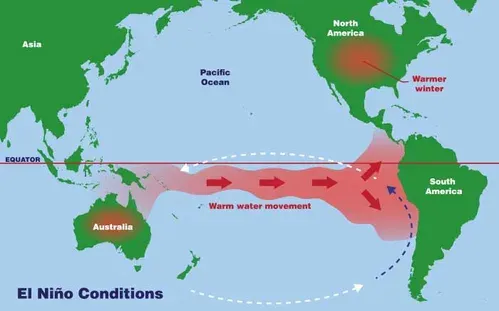
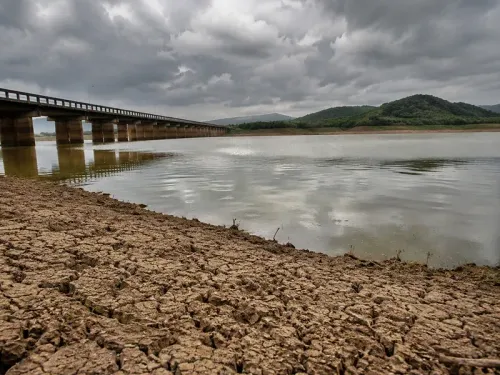
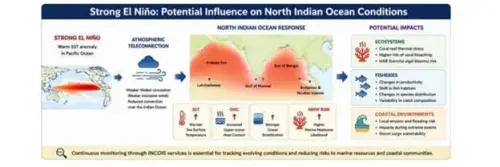
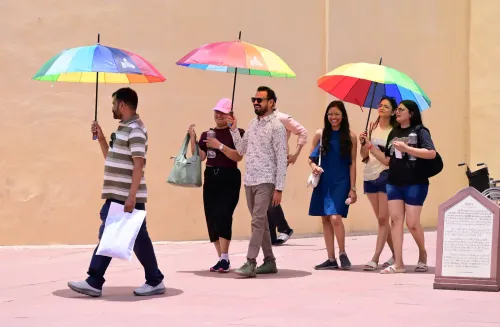
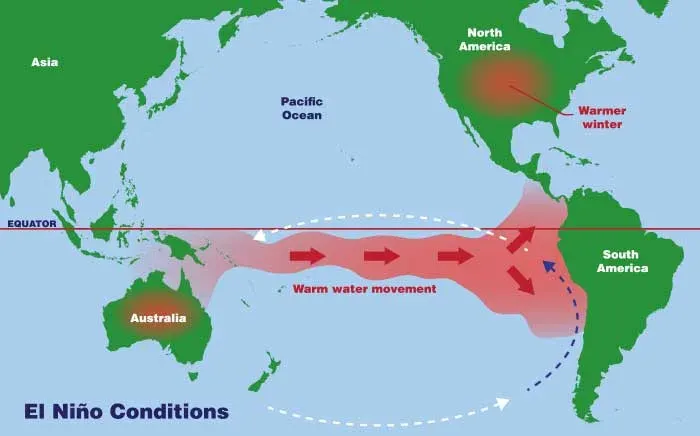
El Nino conditions are developing in the tropical Pacific and are likely to influence global temperature and rainfall patterns over the coming months, raising the risk of extreme weather, the World Meteorological Organisation (WMO) said on Tuesday from Geneva. Fuelled by unusually warm ocean waters, the climate phenomenon could amplify droughts, heavy rainfall and heatwaves both on land and at sea.
What the WMO said
“We need to prepare for a potentially strong El Nino event, which will exacerbate drought and heavy rainfall and increase the risk of heatwaves both on land and in the ocean,” WMO Secretary-General Celeste Saulo told a press conference in Geneva. She noted that the most recent El Nino, in 2023-2024, ranked among the five strongest on record and contributed to the record global temperatures observed in 2024.
Why it matters
Saulo said the WMO community would closely monitor evolving conditions to inform governments, humanitarian agencies and climate-sensitive sectors. She stressed that advance seasonal forecasts and early warning systems are vital to save lives and reduce the economic toll of El Nino-driven weather extremes.
UN chief's warning
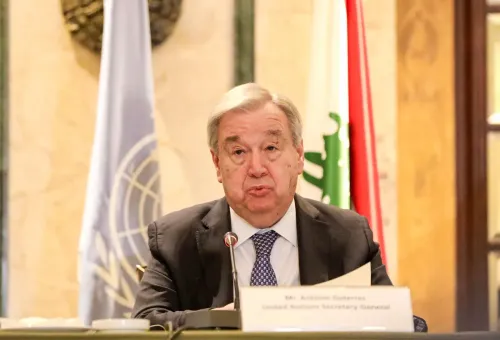
In a video statement at the conference, UN Secretary-General Antonio Guterres warned that El Nino conditions “will pour fuel on the fire of a warming world”. He added, “The only effective response is climate action equal to the crisis — ending the addiction to fossil fuels, accelerating the shift to renewables, protecting the most vulnerable, and delivering early warning systems for all.”
Decadal outlook
The warning follows last week's WMO assessment that global average temperatures are likely to remain at or near record levels over the next five years, with Arctic anomalies expected to outpace the global mean. The finding is drawn from the Global Annual to Decadal Climate Update 2026-2035, produced by Britain's Met Office and the WMO Lead Centre for Annual to Decadal Climate Prediction, synthesising contributions from 13 institutes.
What's next
The update also reviews the observed climate over the past five years and offers regional predictions for temperature and precipitation through the next five. With El Nino's onset coinciding with an already record-warm baseline, climate-sensitive sectors — from agriculture to public health — are expected to face compounding stress in the months ahead.
Point of View
That means monsoon variability risk, kharif yield stress and heatwave intensity all rising in tandem. The real test is whether early warning systems — repeatedly promised, unevenly delivered — actually reach the farmers and coastal communities who need them most.
NationPress
25 Sept 2026
Frequently Asked Questions
What is El Nino and why is the WMO warning about it?
El Nino is a climate phenomenon driven by unusually warm ocean waters in the tropical Pacific that disrupts global temperature and rainfall patterns. The WMO has warned that a developing El Nino could be strong, raising the risk of droughts, heavy rainfall and heatwaves over the coming months.
How strong was the last El Nino?
The 2023-2024 El Nino was among the five strongest on record, according to the WMO. It played a significant role in pushing global temperatures to record highs in 2024.
What did UN chief Antonio Guterres say about El Nino?
Guterres said El Nino conditions 'will pour fuel on the fire of a warming world'. He called for ending fossil fuel dependence, accelerating renewables and delivering early warning systems for all.
What does the WMO decadal climate update project?
The Global Annual to Decadal Climate Update 2026-2035 projects that global average temperatures are likely to remain at or near record levels over the next five years. Arctic temperature anomalies are expected to continue to outpace the global mean.
Who produced the WMO climate update report?
The report was produced by Britain's Met Office and the WMO Lead Centre for Annual to Decadal Climate Prediction. It synthesises predictions contributed by 13 institutes worldwide.